

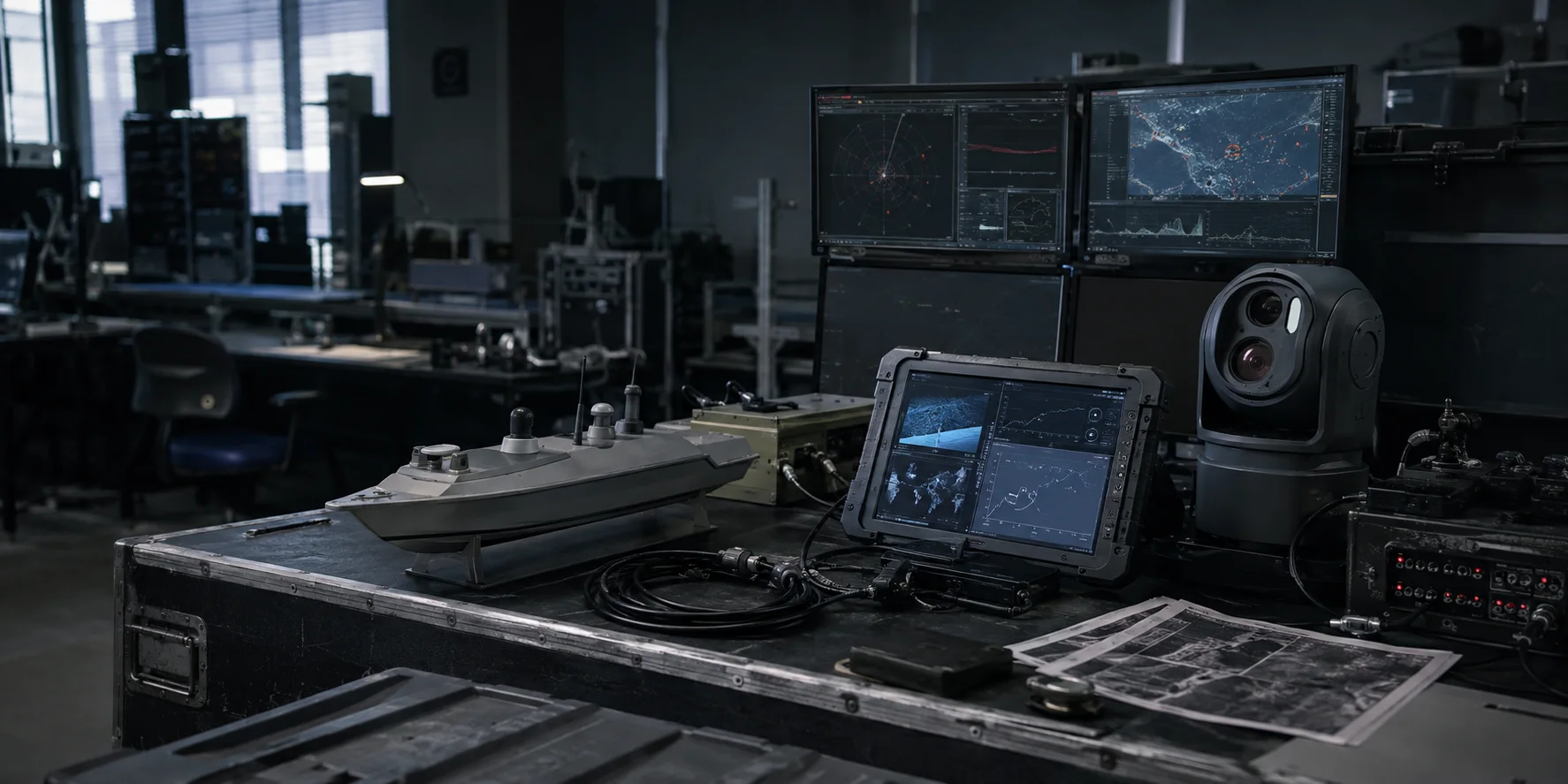
Clear systems for serious work.
We help defence technology companies and suppliers explain complex capability, support controlled workflows and present evidence without turning the work into spectacle.
Your digital presence has four jobs to do.
It has to explain capability, support the people doing the work, make evidence verifiable and keep controlled information inside the right boundary.
Explain the system, not the theatre around it.
Product stories, interface demonstrations and diagrams focused on operational value, integration and evidence.
Make capability easy to verify.
Structured pages for platforms, components, standards, support and delivery, built for evaluators who already know the category.
Reduce ambiguity at every handoff.
Controlled portals, internal tools and documentation systems organised around roles, approvals and traceable decisions.
Information boundaries are part of the design.
The public story, buyer evidence and controlled programme material do not belong in one undifferentiated system. Access and review responsibility need to be designed before material is shared.
What we build for defence.
The public story and the working system are designed as connected parts, with the right level of detail for each reader and a clear owner after handover.
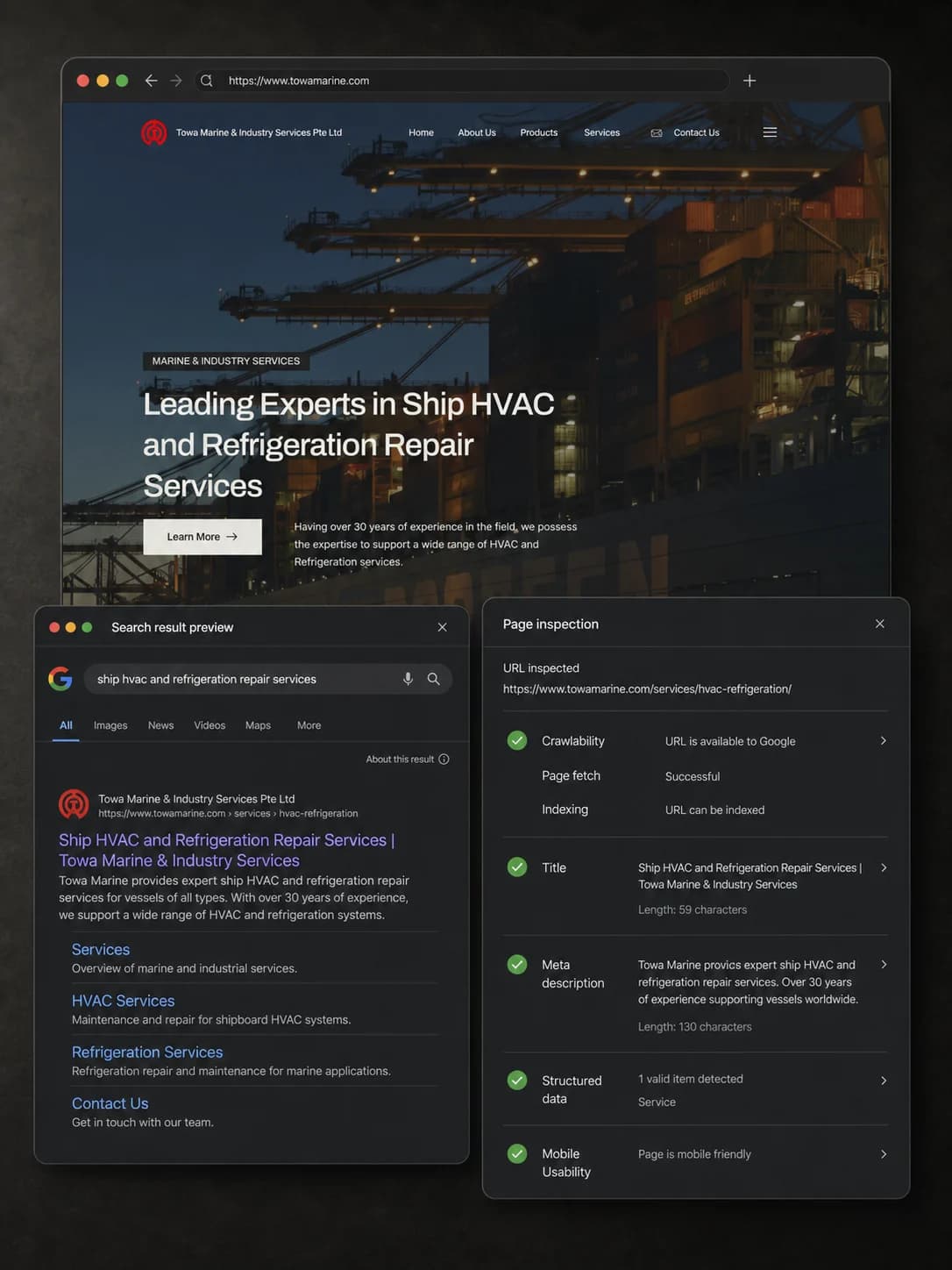
Capability and product websites
A public layer that explains platforms, subsystems, support and evidence while keeping restricted material out of the publishing workflow.
Operational interfaces
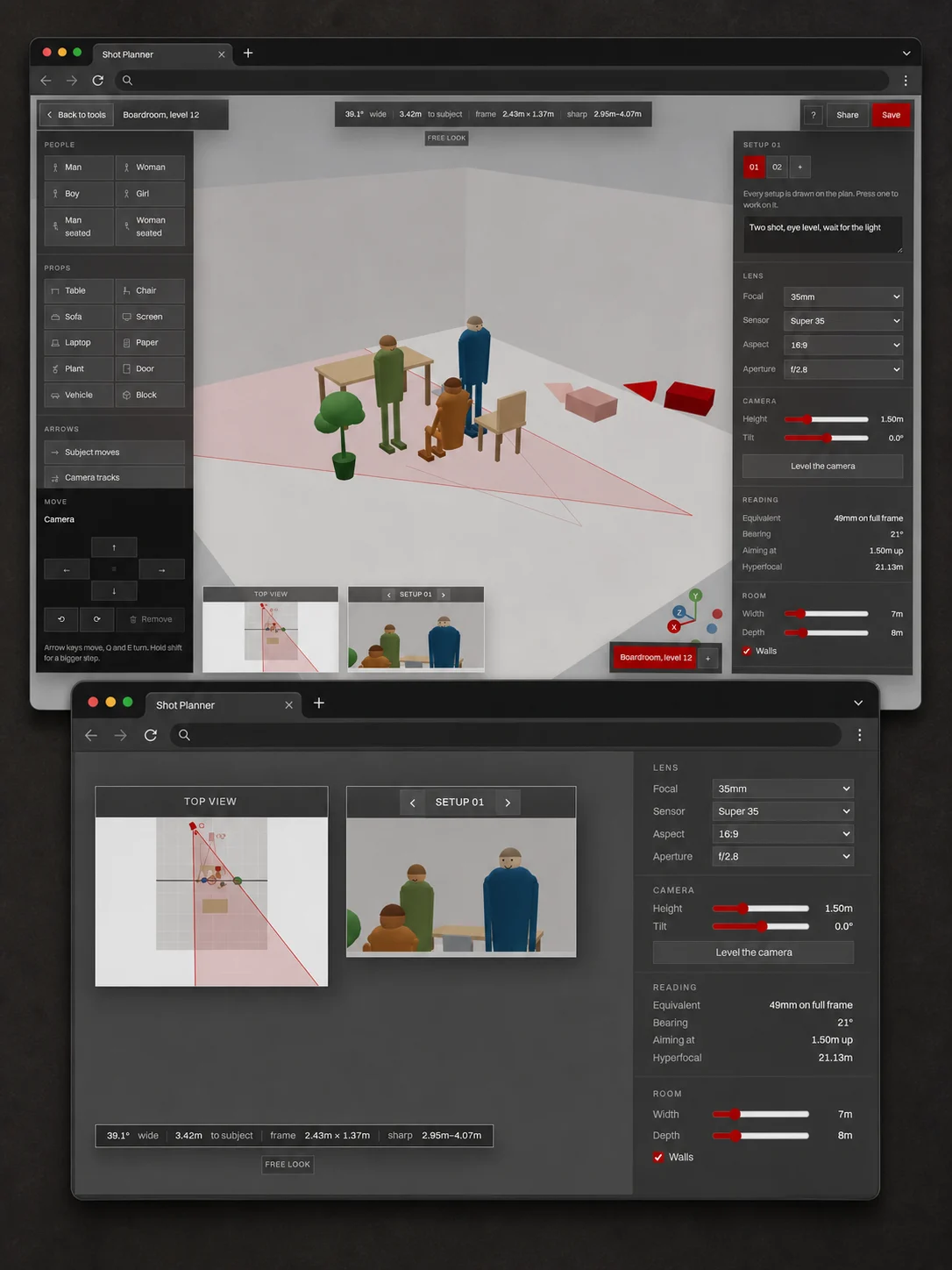
Readable interfaces for complex states, alerts and decisions, prototyped with users and subject-matter experts before development hardens them.
Bid and programme portals
Controlled spaces for documents, approvals, updates and stakeholder access, designed around the programme rather than a generic file tree.
Technical diagrams and explainers
System views and product narratives that help a qualified reader understand where the capability fits and what it connects to.
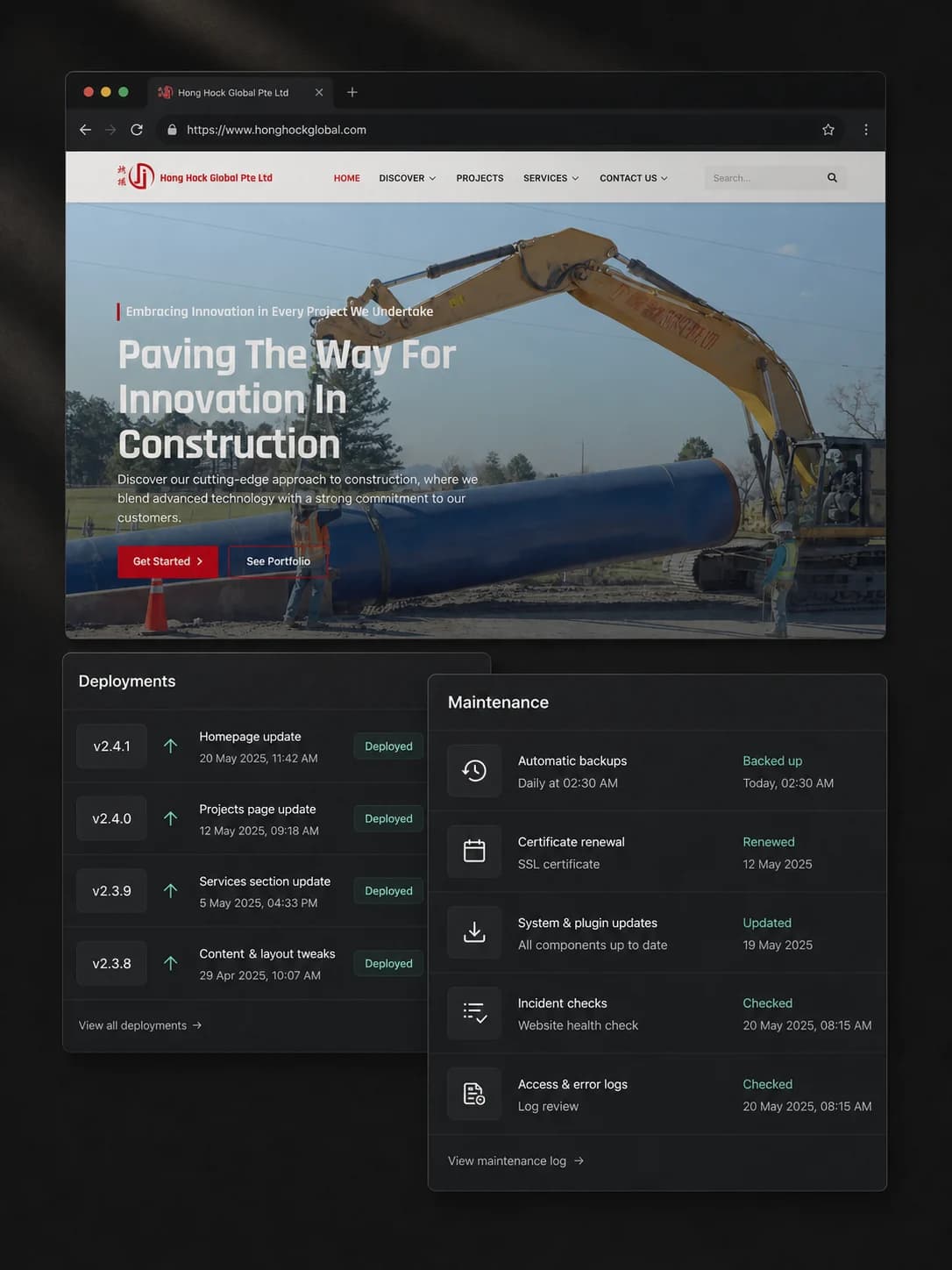
Design systems and handover
Reusable interface rules, documented components and ownership transfer so internal teams can extend the work consistently.
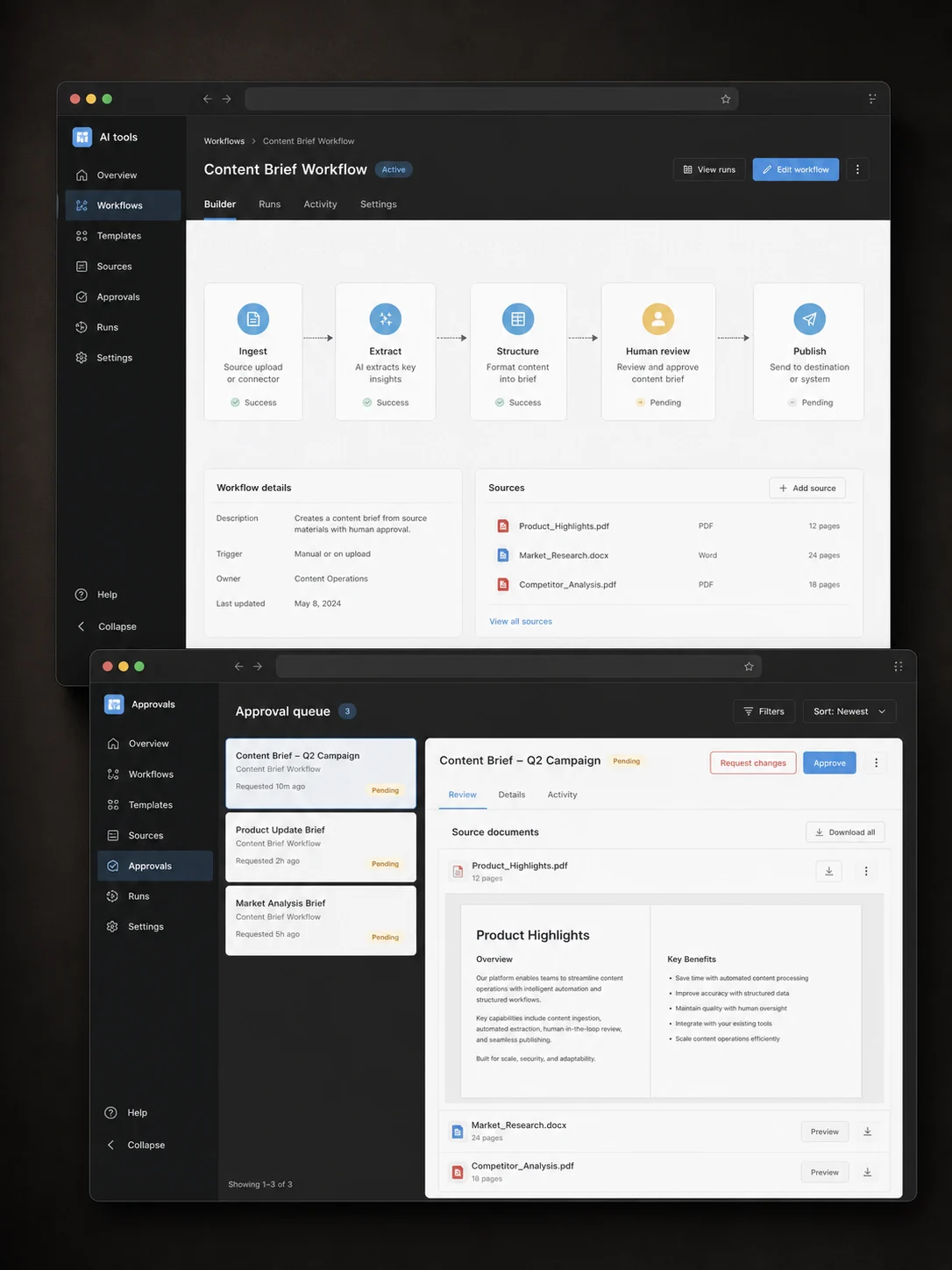
Controlled content workflows
Review paths, ownership and publishing boundaries that keep public material separate from restricted or programme-specific information.
Capability has to be understood without being overexposed.
A defence buyer needs specificity, context and confidence. A product team needs clear interfaces. A public website still has to respect what should remain private. We structure those layers deliberately: enough information for the right reader to assess the company, with sensitive detail kept inside the process and systems built for it.
Access is agreed before material is shared. Operational clarity matters more than visual theatre. Claims remain specific, reviewable and owned by the client.
Our process.
- 01
Boundaries
Agree audiences, information classes, access and review responsibility before discovery.
- 02
Operational model
Map the system, decision points, evidence and the job each reader needs to complete.
- 03
Prototype
Test the narrative or interface with realistic content and states before full production.
- 04
Controlled delivery
Build, document and transfer the work through the agreed access and approval path.
What else we do for defence suppliers.
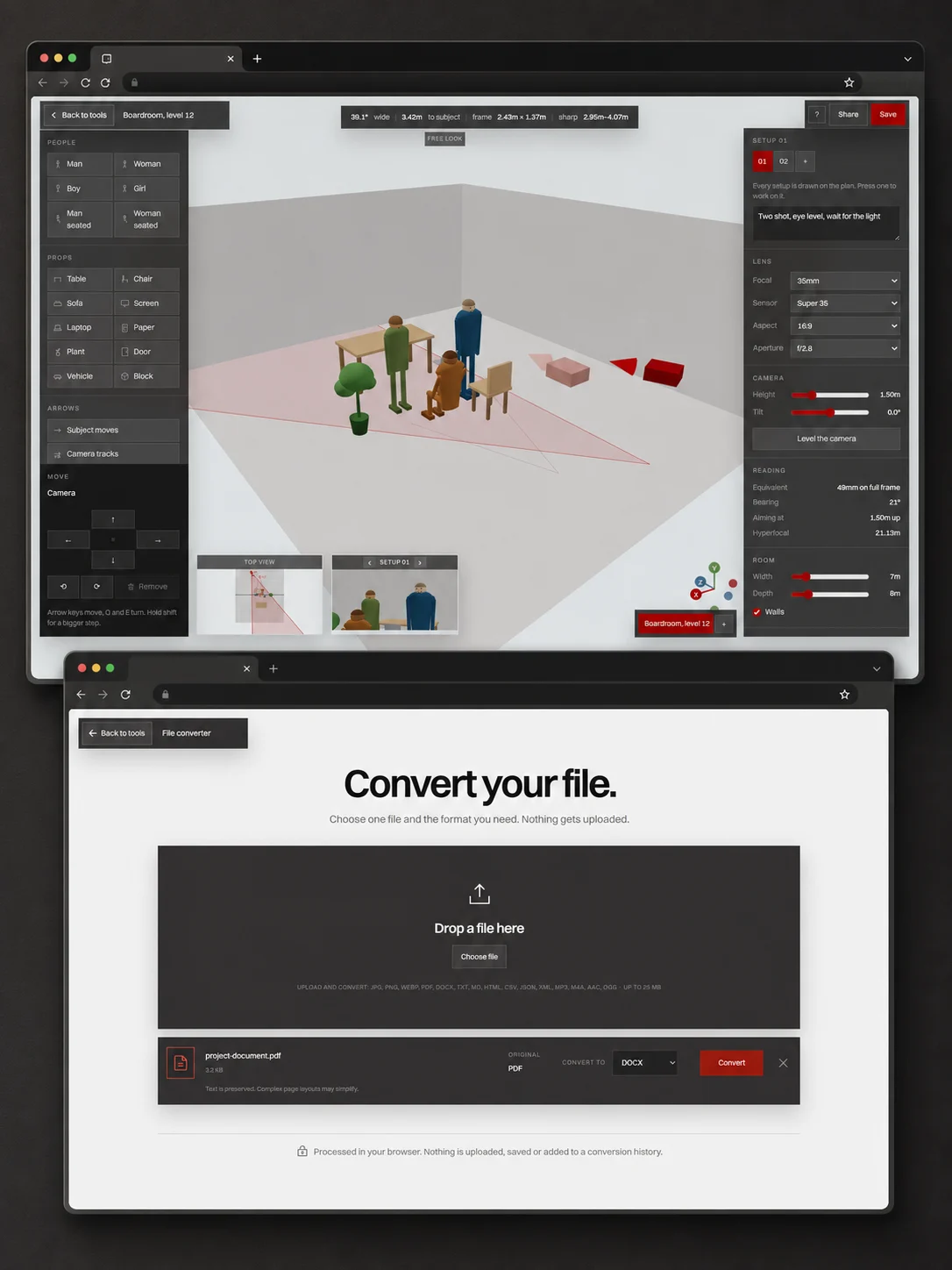
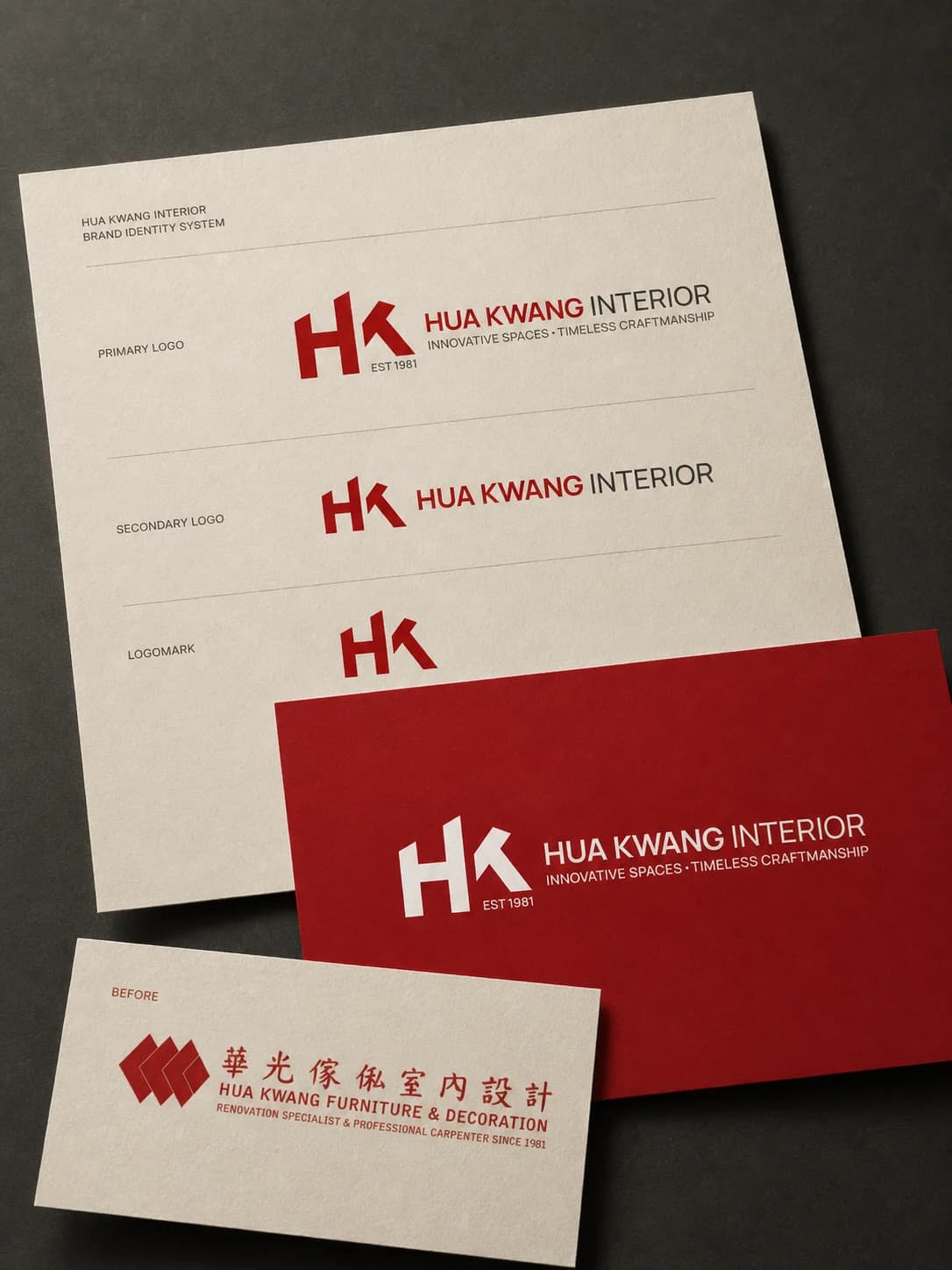
Same team, same accountability. Most clients start with one of these and add another later.

Common questions.
No. We do not imply clearances we do not hold. Before any engagement, we establish what information can be shared, where the work may happen and whether the client requires a specifically accredited supplier.
Yes. We can sign an NDA, limit project access and keep public-site work separate from controlled programme material. The exact controls are agreed with the client before access is granted.
Often. Representative datasets, sanitised states and client-supervised reviews can be enough to design and test the interaction without copying sensitive material into our working environment.
Enough to establish the capability, context and route to a qualified conversation. Anything that changes the risk profile or reveals controlled implementation detail belongs in a gated or offline process.
Yes, where responsibilities and access boundaries are clear. We can take a defined web, interface, visualisation or documentation workstream and hand it back in the required format.
Already have a website or working system?
Start with
what you have.
We can improve a defined public, interface or documentation layer without replacing the whole environment. Scope, access and review boundaries are agreed before any material is shared.
Tell us what the system needs to make clear.
No pitch and no deck. One call to work out whether the problem is the one you think it is.
- Reply within one working day
- No obligation, and no sales sequence
- Over 100 projects since 2023