


AI tools, only where they earn it.
Narrow tools that do one repetitive job well, with a person accountable for the output. Most problems sold as AI problems are not AI problems, and we will tell you when yours is one of them.
Four reasons to be careful here.
We are conservative about this on purpose, and the evidence is on the side of caution.
Measured results and felt results are not the same.
In a randomised trial, 16 experienced developers took 19% longer on 246 real tasks using AI tools, while estimating afterwards that they had been 20% faster. The gap between what people feel and what actually happened is the whole risk.
The people closest to it trust it least.
84% of developers use or plan to use AI tools, yet more distrust its accuracy (46%) than trust it (33%). The most experienced are the most sceptical.
Most projects do not survive the pilot.
Gartner predicts at least 30% of generative AI projects are abandoned after proof of concept, and more than 40% of agentic AI projects cancelled by end 2027. A demo working is not the same as a thing being used.
Almost right is the expensive failure.
The most cited frustration, at 66%, is output that is almost right but not quite. Checking it costs more than doing it would have, which is how a time-saving tool becomes a time cost.
Where it does work.
Narrow, repetitive, and checkable. Six jobs where the tool is genuinely faster than a person and the mistakes are easy to spot.
Reading documents and pulling out fields
Specs, invoices, delivery orders, certificates. Same fields every time, into a form or a system.
Drafting the first version
Of something repetitive that a person then edits. The draft is the work, not the answer.
Sorting and routing enquiries
Getting the right message to the right person quickly, with the fallback being a human, not a guess.
Answering the same question again
The one your team answers forty times a month, with a route to a person for everything else.
Checking work against a rule
Flagging what looks wrong for someone to look at. It raises a hand, it does not make the call.
A person accountable for the output
Named, and part of the build. Human-led is the condition, not a feature.
Test the output before you automate the task.
We compare an AI-assisted workflow with the current process using agreed examples. The test includes incorrect, incomplete and sensitive inputs. If a person must review the output, that work belongs in the cost and time comparison.
Compare AI assistance with a rules-based integrationWhat we settle in the scope
- Evaluation set
- Representative examples, acceptable answers and failures your team cannot tolerate.
- Human review
- Who checks the answer, how uncertainty is shown and when the tool must stop or refer a decision.
- Data and running costs
- Provider terms, permitted data, usage costs and a fallback if the service is unavailable.
The first thing we do is try to talk you out of it.
Most of what gets brought to us as an AI project is a process problem, a data problem, or a form that should have been fixed five years ago. Those are cheaper to solve, they work reliably, and they do not need anyone to trust a model.
Where AI genuinely wins is dull and narrow. One repetitive job, output a person can check in seconds, and a clear path back to a human when it is unsure. If your problem does not look like that, we will say so before you have spent anything, which is a shorter conversation than the alternative.
Our process.
- 01
Work out what it has to do
One written scope, agreed before anything is designed or built. Most of the risk on a project lives here.
- 02
Design and build it
You see it working in stages, not at the end. Unlimited revision rounds inside each phase.
- 03
Hand it over
Every file, login and account is yours. We show your team how to run it before we finish.
- 04
Keep it running
Updates, backups and monitoring, so it does not quietly stop working.
What else we do.
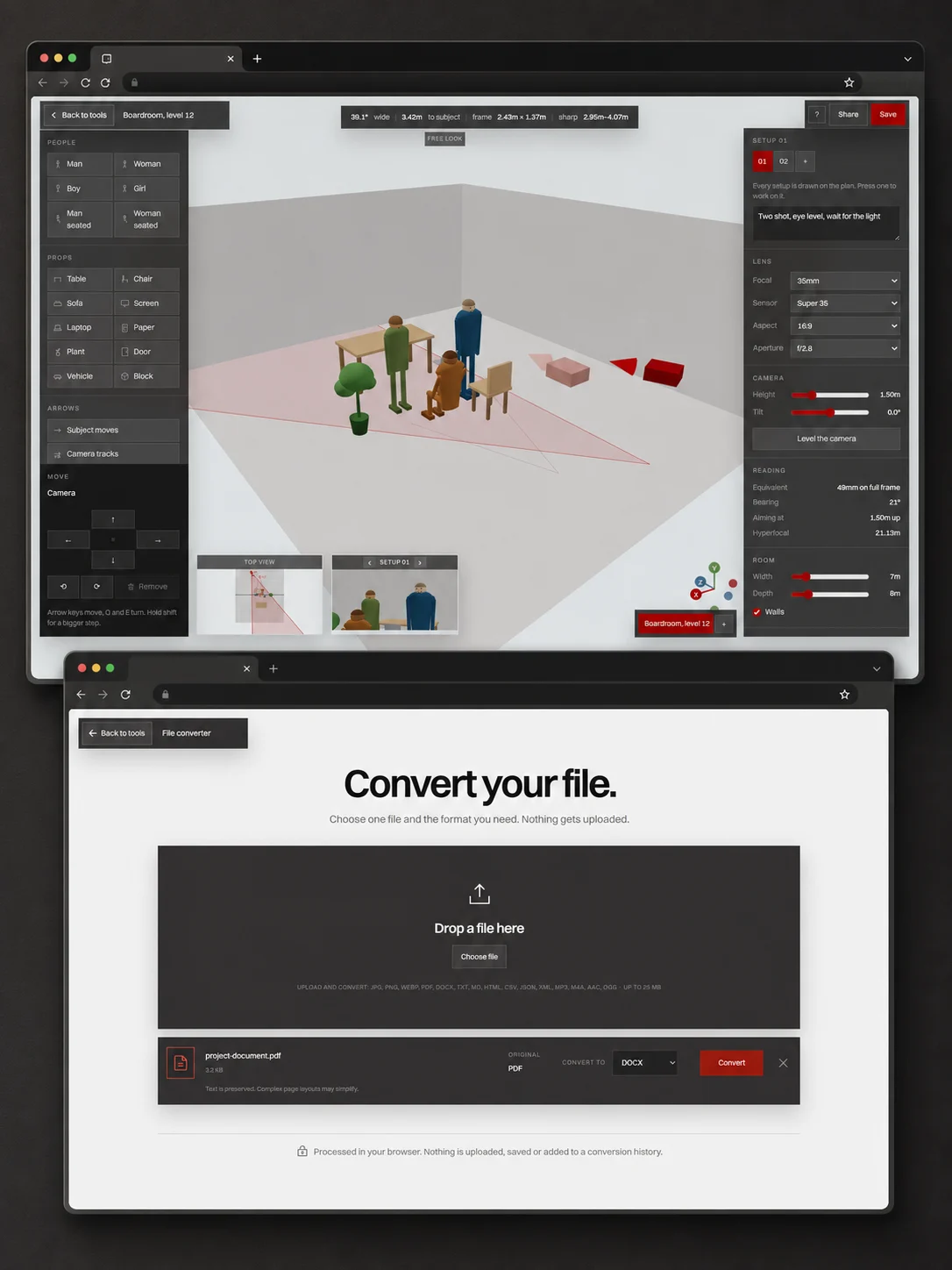
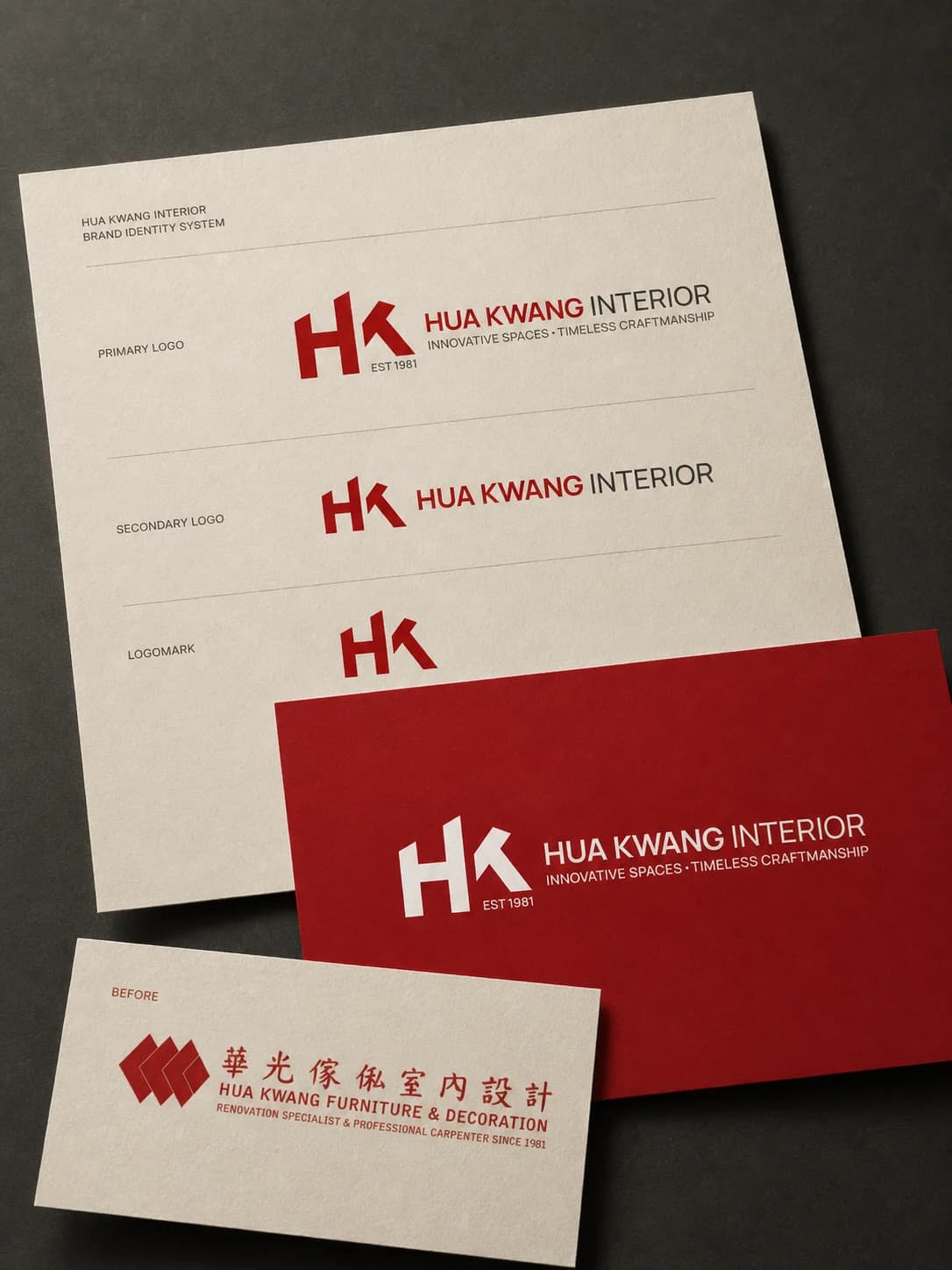
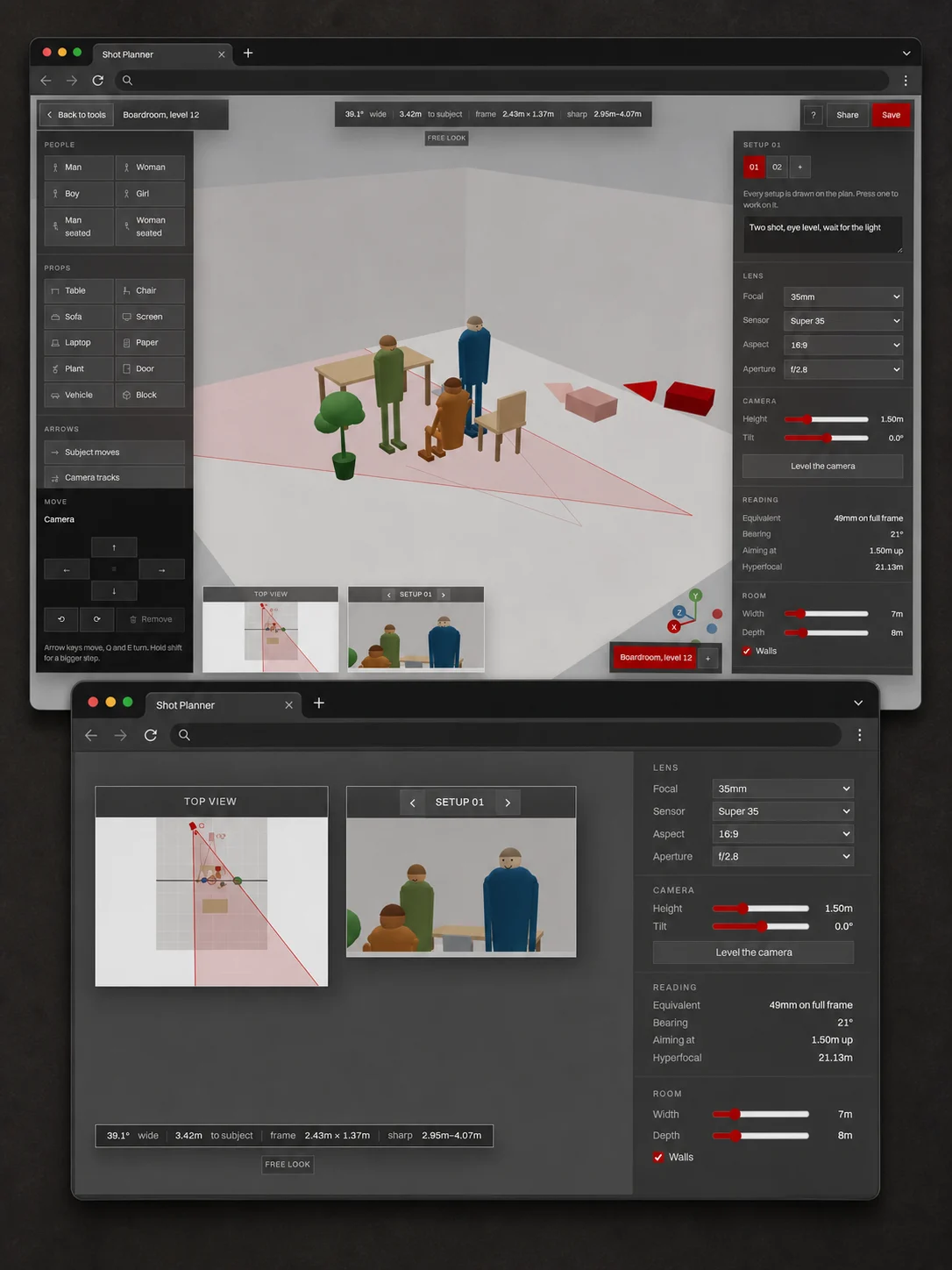
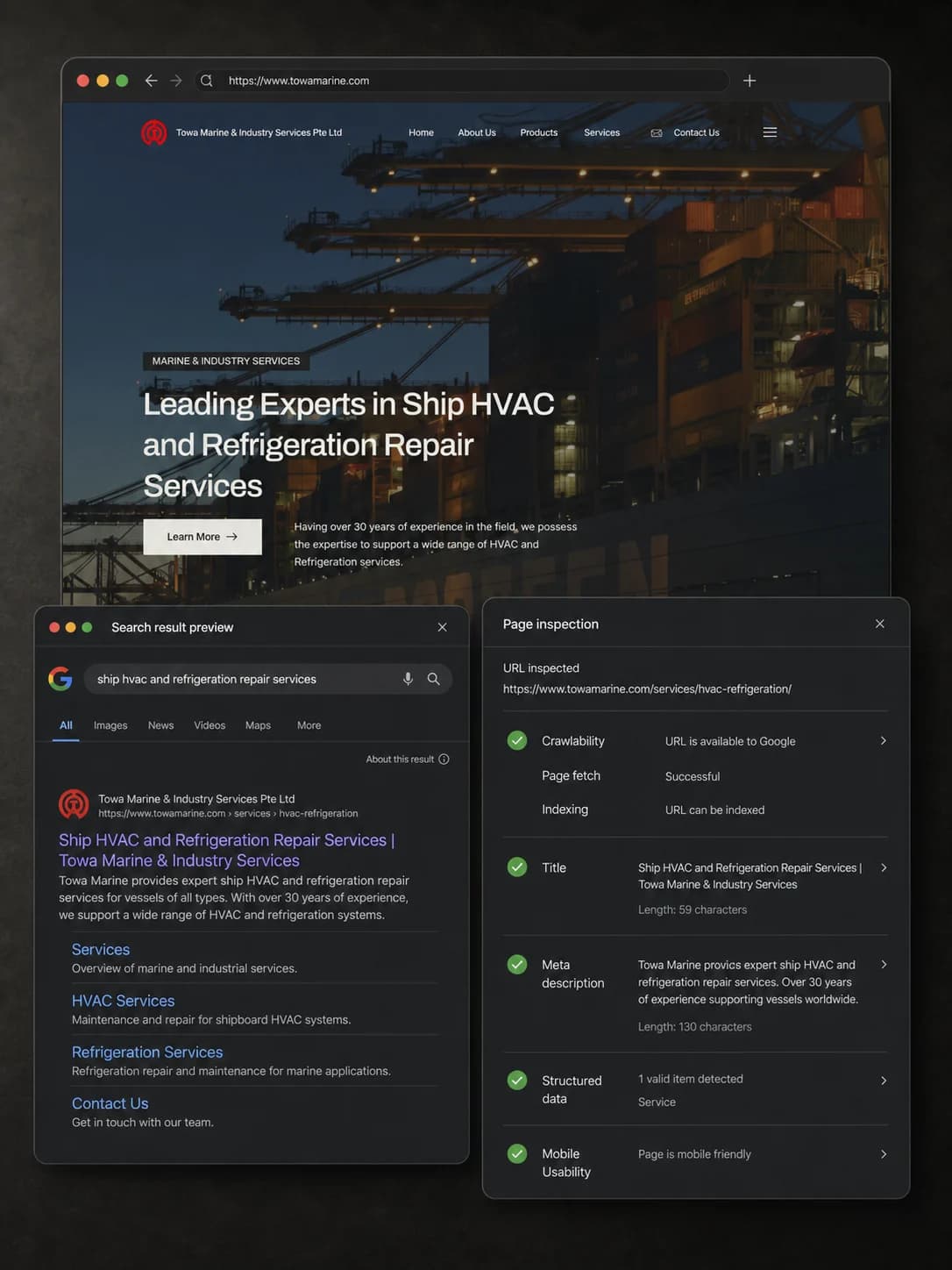
Same team, same accountability. Most clients start with one of these and add another later.
Common questions.
Probably not, and that is the first thing we will work out. If the job is narrow, repetitive, and easy to check, it is a good candidate. If it needs judgement or the mistakes are hard to spot, it is not.
The build is usually the smaller number. What matters is the running cost and the checking, because a tool nobody verifies stops being trusted quickly. We put both figures in front of you before you commit to either.
That depends on the tool, and it is a question you should ask before anything is built. We agree what leaves your systems, what is retained and by whom, and we will tell you when a cheaper option means your data is used for training.
Whichever suits the job, and the answer changes as they do. Building so a model can be swapped matters more than the specific choice today, because the one that is best for a task now is unlikely to still be in a year.
Someone catches it, because a person is accountable for the output. Almost right is the expensive failure: a result that is wrong in a way nobody notices costs more than one that fails obviously. We design the checking step first.
The narrow tools we build are not long projects. Most of the time goes into working out what the tool should do and how its output gets checked, rather than the building. Most projects that fail do so before that work is done.
Reading documents and pulling out fields is one of the jobs this technology is genuinely good at, particularly where the documents are consistent. We test against your real documents before committing, because the awkward ones decide whether it works.
The tools we build take a repetitive job off someone rather than removing the person, and they keep a human accountable for the result. Most teams find the same people get their week back for the work only a person can do.
Every use costs something, so the running cost scales with how much the tool is used. We work that out during the diagnosis and show it to you, because a tool that is cheap to build and expensive to run is not a saving.
We agree what would count as working before we build. Measured results and felt results are not the same, and the people closest to a tool trust it least, so the check has to be something you can point at rather than an impression.
Not sure whether the task needs AI?
Start with
what you have.
Bring a few representative examples and the result your team needs. We will compare AI assistance with a simpler rule or integration before proposing a tool.
Tell us which task takes more time than it should.
No pitch and no deck. One call to work out whether the problem is the one you think it is.
- Reply within one working day
- No obligation, and no sales sequence
- Over 100 projects since 2023