Help qualified buyers self-screen.
Put ranges, applications, locations and limits where a technical reader can find them without opening a sales conversation.


Not sure which one.
Most work starts as a diagnostic. We look at how the business runs first, then decide what is worth building.
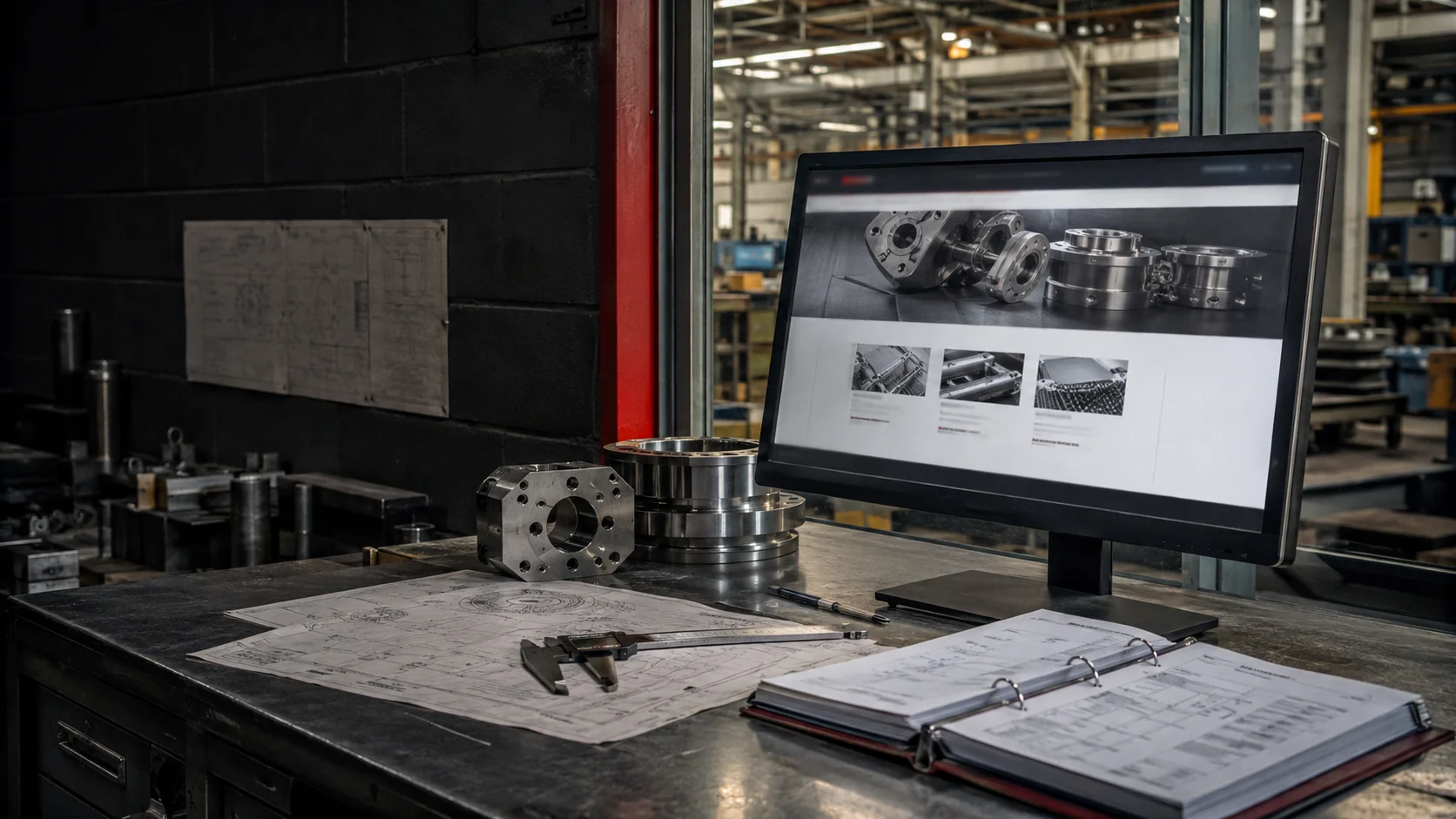
We design industrial and manufacturing websites in Singapore for buyers checking materials, tolerances, equipment and production capacity. Product specifications, application pages and project evidence help an engineer or procurement team decide what to ask next.
A qualified visitor is looking for materials, capacities, standards, service regions, project conditions and a reason to believe the supplier can deliver. A broad statement about quality cannot substitute for any of them.
We organise technical detail in layers: an immediate capability view, clear paths into specifications and applications, then evidence for readers who need to verify the claim before making contact.
Put ranges, applications, locations and limits where a technical reader can find them without opening a sales conversation.
Show where a capability applies and which constraints matter instead of publishing an isolated catalogue.
Give a buyer or partner a stable page they can cite internally when they recommend the company for consideration.
Scope follows the diagnosis. These are working parts of the engagement, not a package that assumes every company needs the same answer.
See our website design serviceGroup products and services around applications, buyer tasks and technical distinctions.
Create readable technical tables, downloads and qualification routes.
Connect capabilities to relevant sectors, conditions and delivered work.
Clarify where the company operates and how enquiries are handled across markets.
Show the work, environment and roles with enough substance for specialist hires.
Build crawlable, descriptive pages for the terms real buyers use.
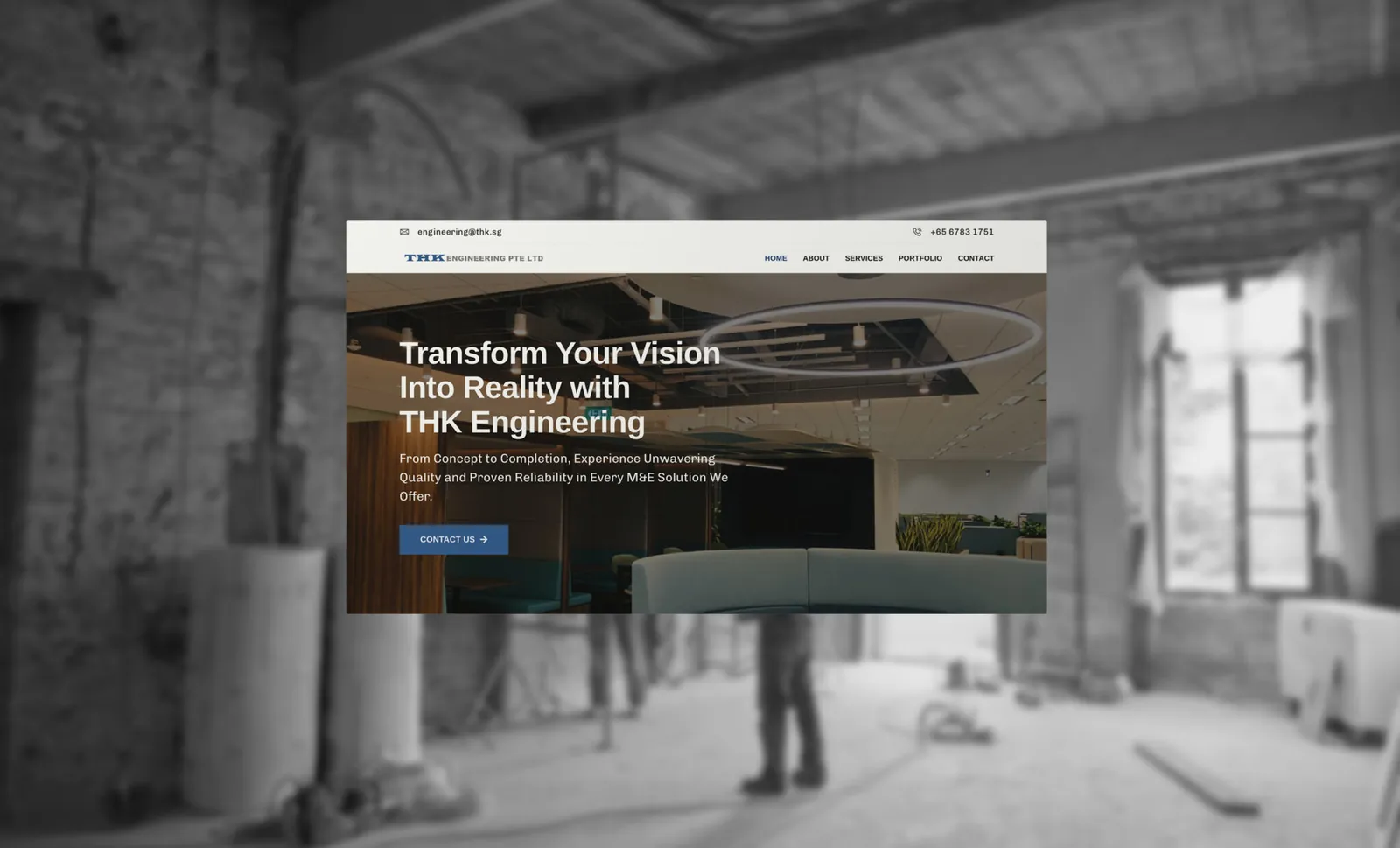
The website gives engineering work a structured commercial surface that can explain services, establish operating context and give a prospective client a direct path to the relevant conversation.
View the projectMap the audience, the decision they are making and what the current website prevents them from doing.
Turn services, evidence and technical detail into a page system with a clear route through it.
Work with real content in the browser, then build the responsive system and the interactions it needs.
Test, document and hand over a site the client can operate without depending on us for routine edits.
We build the website so technical buyers comparing industrial capability and evidence can find clear, useful answers. This also helps search engines and AI systems understand the evidence behind them.
See our ongoing SEO and AI visibility serviceClear page architecture, direct answers, descriptive metadata, structured data, accessible image text and useful internal links create the foundation. They make the site easier to discover, but no launch can guarantee a permanent ranking or AI mention.
Search behaviour, competitors and your own evidence keep changing. Ongoing work measures performance, strengthens useful pages, publishes new answers, earns authority signals and fixes technical issues as they appear.
Buyer searches this page is designed to answer
Enough for a qualified buyer to establish fit and know what to ask next. Public detail should be organised by decision value, with controlled or project-specific information kept in the appropriate process.
Yes. We start with the distinctions buyers use: application, specification, material, system or sector. We then build filters and page types only where they improve the task.
Yes. Regional routes, terminology, contact ownership and multilingual requirements should be designed as part of the architecture rather than copied into disconnected country pages.
We can design explanatory diagrams and direct the image system. Specialist engineering drawings, photography or 3D production are scoped according to the source material and accuracy required.
No pitch and no deck. One call to work out whether the problem is the one you think it is.