

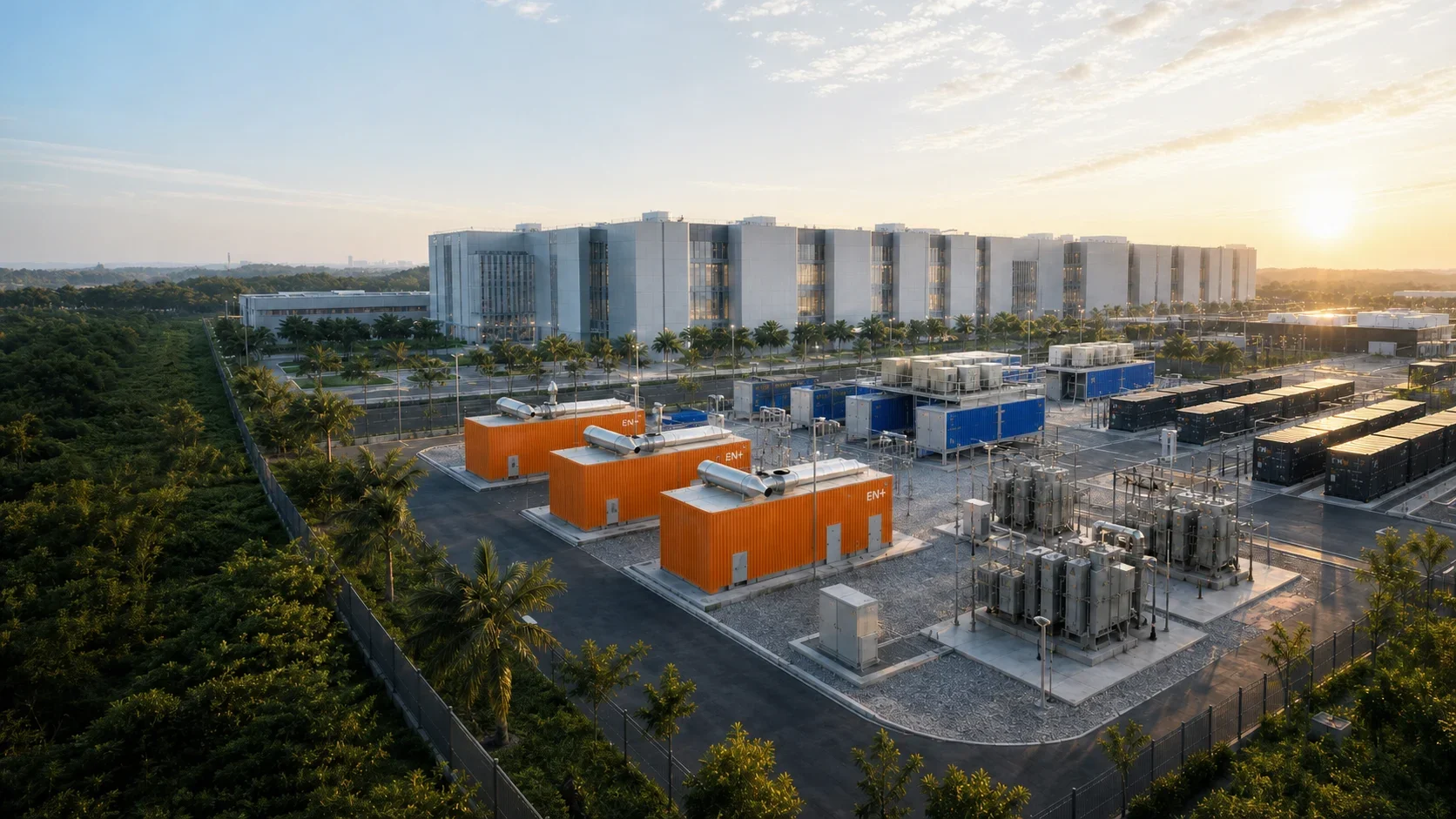
The business.
EN+ approached us to refresh the website it had launched when the business was still new. That first site had done its job, but the company had grown and the information online had not kept pace.
As EN+ added more work, products and capabilities, important details were missing or difficult to find. The site no longer gave potential clients a complete picture of the business.
The original site used Sanity. Routine changes were not straightforward for the team, so keeping the website current became harder over time.
What we found.
EN+ asked for a website refresh. The real job was to bring the site up to date and make future updates easier.
The site still reflected EN+ at launch. Its structure left too little room for company information, capabilities, products and project work.
Useful information existed inside the business but was absent from the website or spread across pages without a clear order. Visitors had to work too hard to understand what EN+ could deliver.
The editing setup did not suit the people maintaining the site. Even small changes created unnecessary friction, which made the website less useful as the business grew.
The decision.
The new site had to cover the business as it is now and stay manageable after launch.
Start with the business as it is now
We reviewed the missing company information, capabilities, products and project work before deciding the new page structure.
Give each subject a clear place
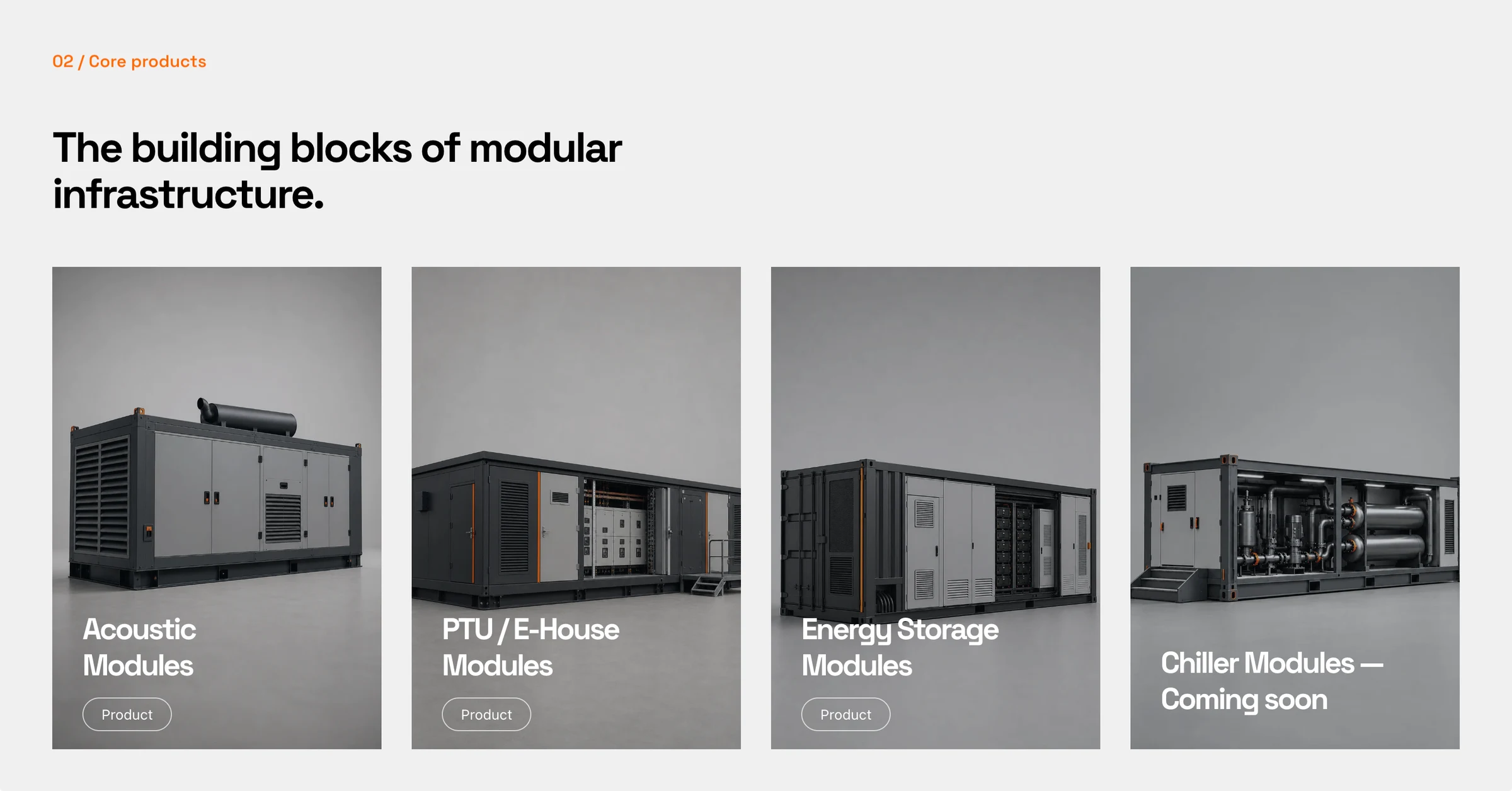
Company information, products, capabilities and project experience were separated so visitors could find the detail they needed without reading the whole site.
Move routine editing to WordPress
The rebuild puts routine content editing in WordPress, where the EN+ team can add and change information themselves.
Build the special features once
The project map and reusable product layouts were kept inside one custom plugin, so the editing experience stays consistent.
What it was.
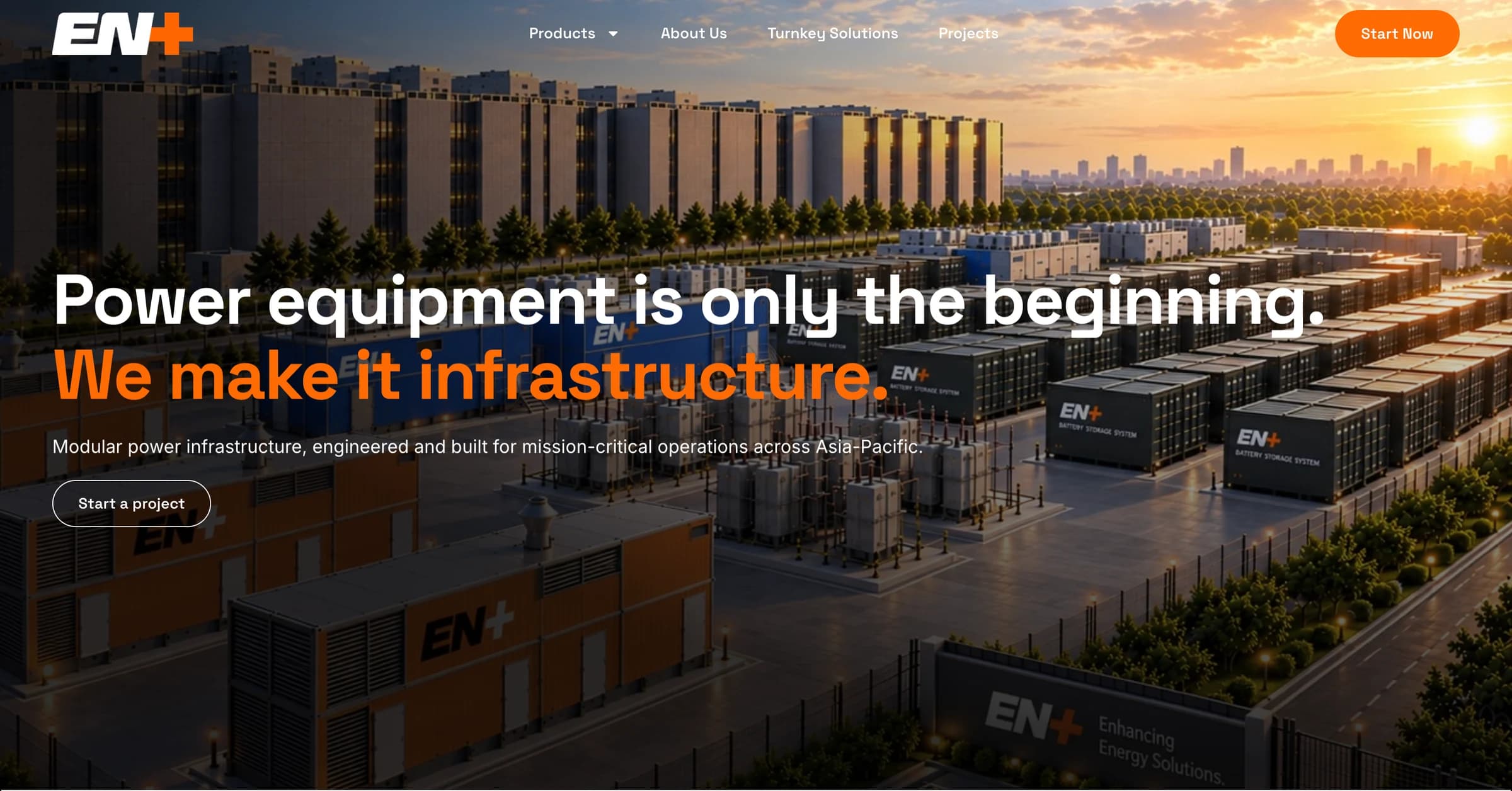
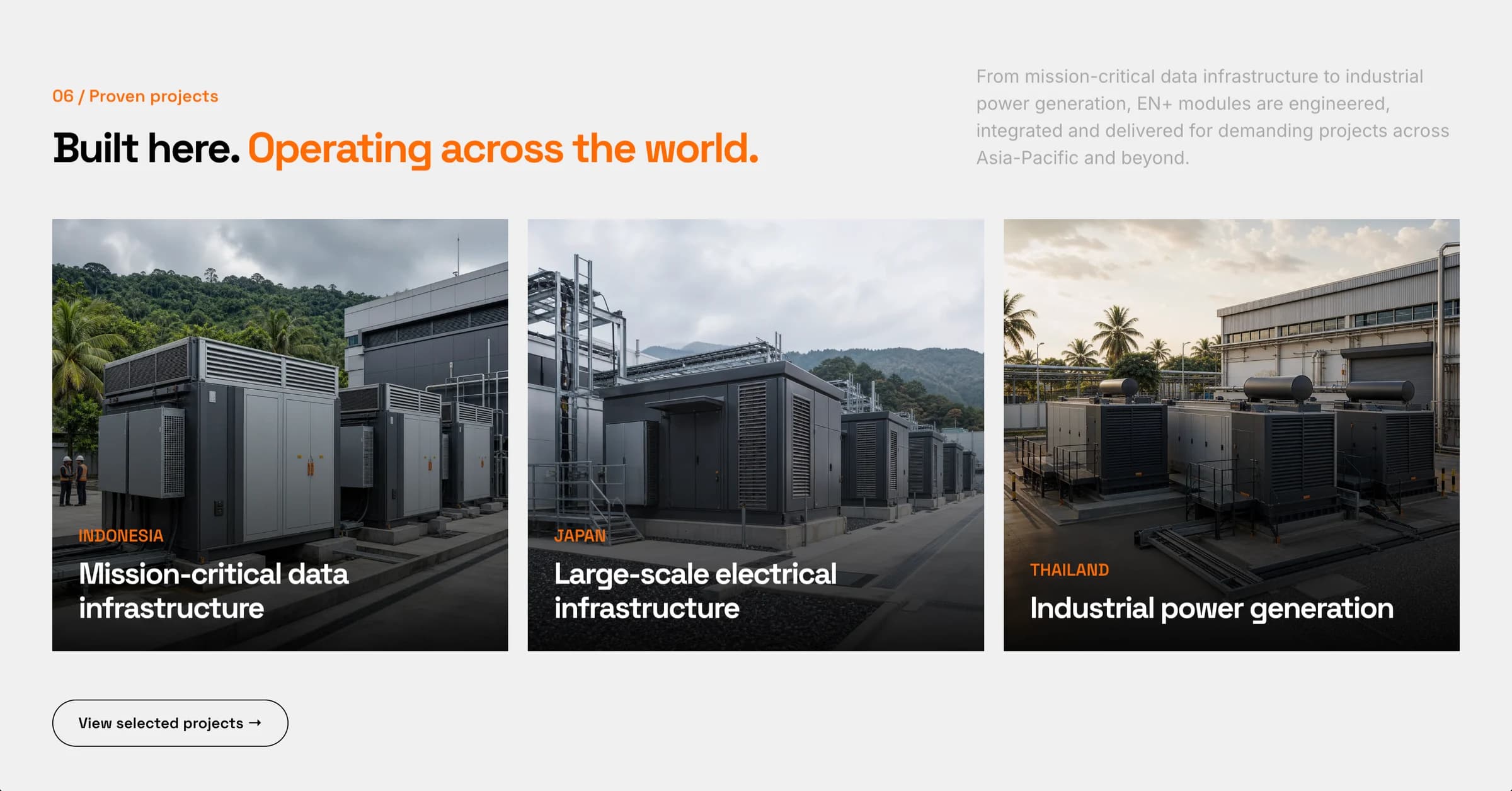
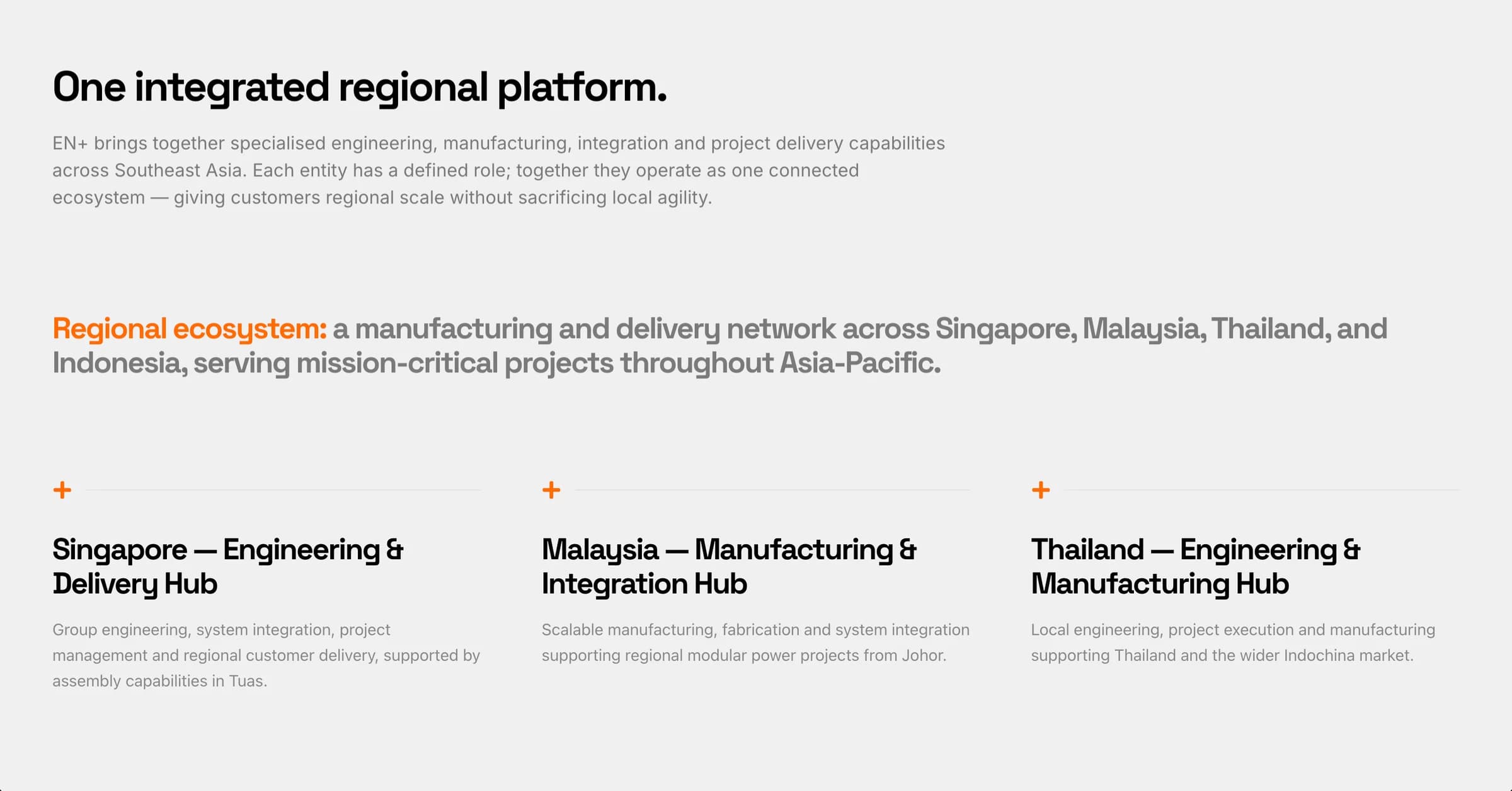
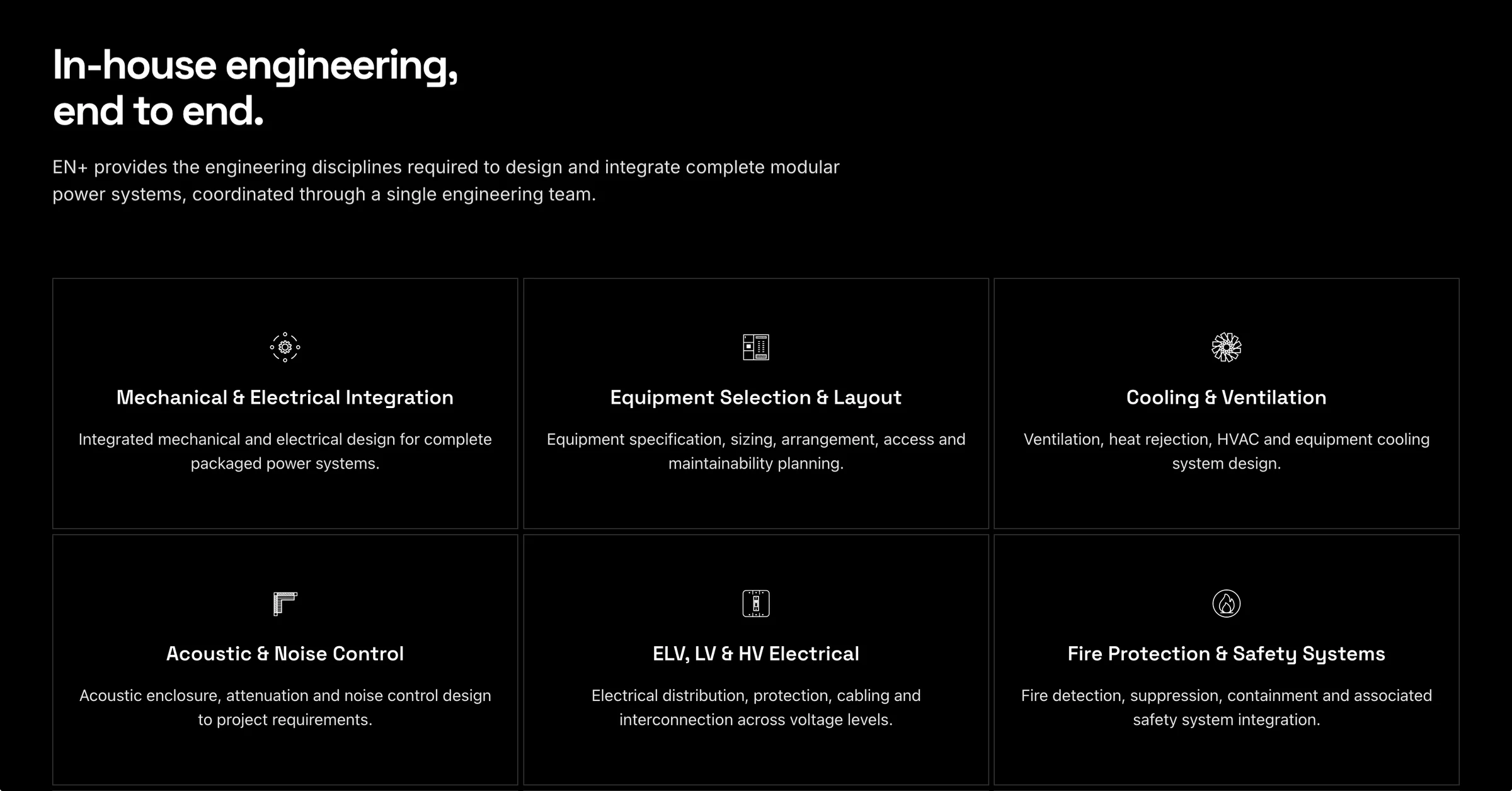
EN+ now has a WordPress website with dedicated sections for the company, engineering capabilities, products and project experience.
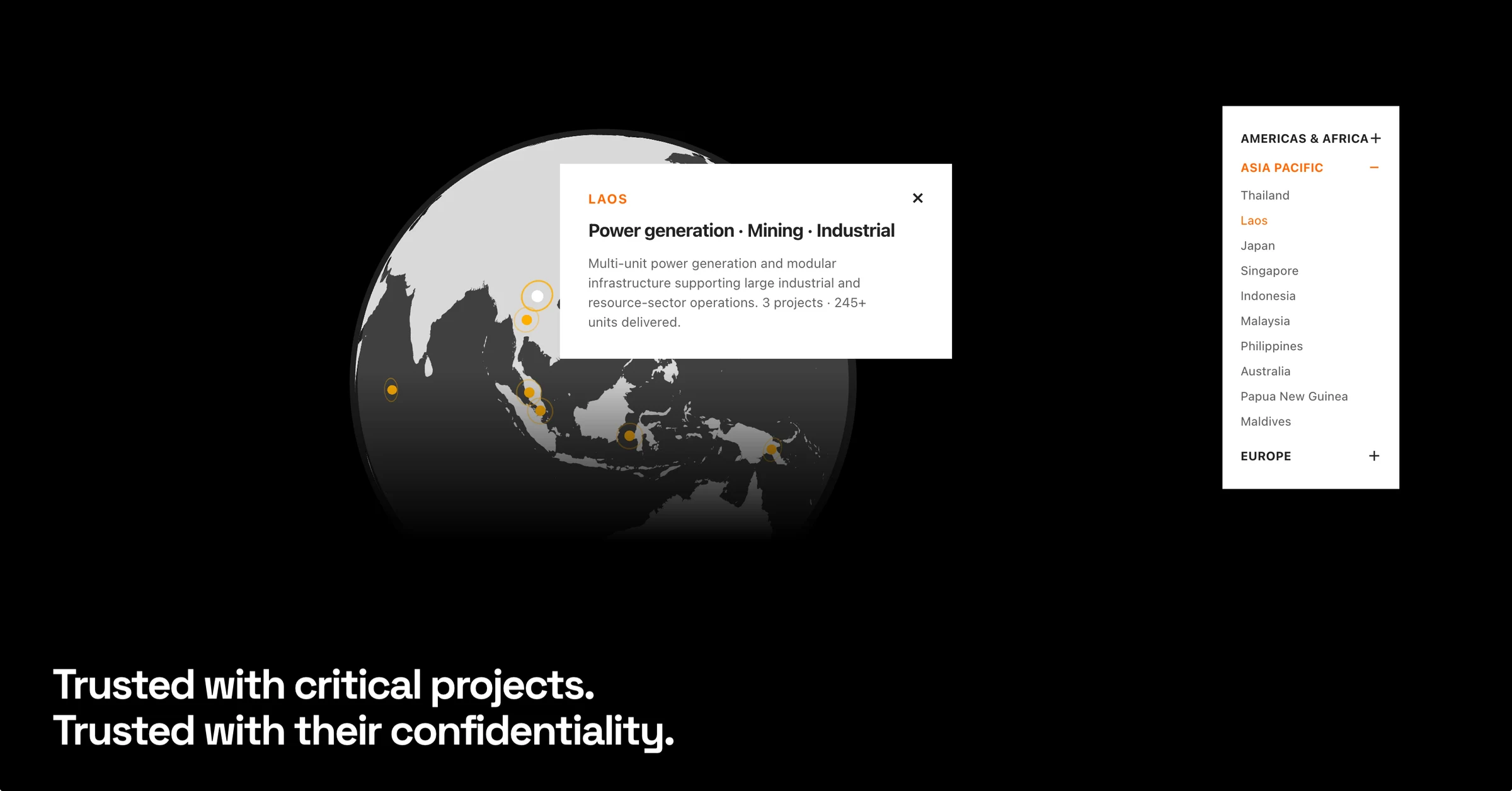
We built reusable product pages and an interactive project map. The custom parts sit in one maintained plugin, with guidance inside the WordPress dashboard.
The team can now make routine content changes in WordPress. Hosting and maintenance continue monthly.
Same problem, different business?
If your website still describes the business as it was at launch, start there.
- Reply within one working day
- No obligation, and no sales sequence
- Over 100 projects since 2023