

UK Maritime ETS 2026: A Plain Guide for Operators and Suppliers
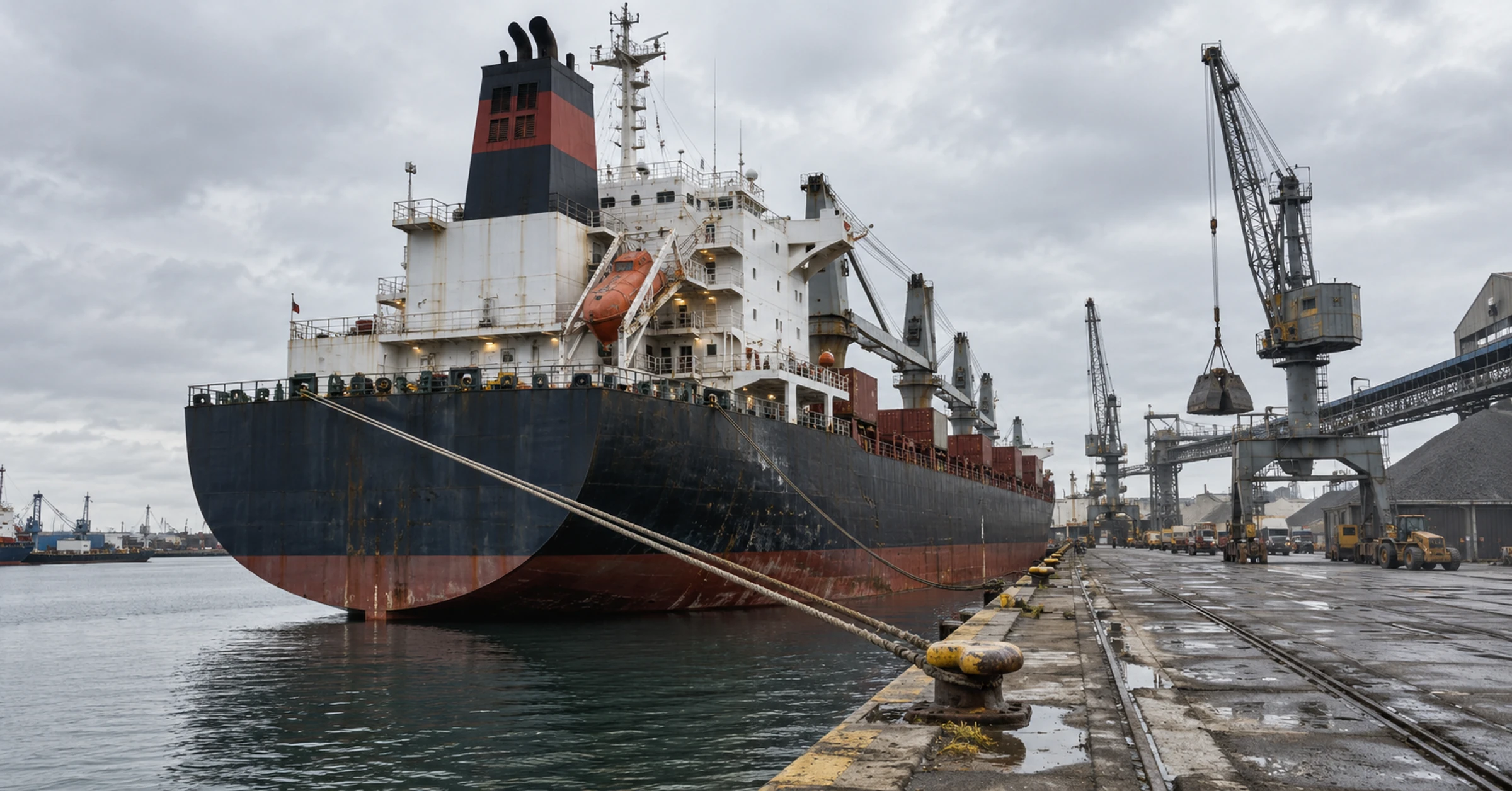
The UK Emissions Trading Scheme now places a carbon price on qualifying domestic maritime activity. For an operator, that creates monitoring, verification and allowance obligations. For a fuel, software, metering or vessel-services supplier, it changes the evidence customers will ask for.
The first question is scope. The second is responsibility. Only then should a company decide what data, contracts and systems need to change.
What does the UK maritime ETS cover in 2026?
From 1 July 2026, UK ETS covers carbon dioxide, methane and nitrous oxide from domestic voyages and in-port activity by ships of 5,000 gross tonnage or more, regardless of flag. The first reporting period ends on 31 December 2026. Offshore ships enter from 1 January 2027.
The current GOV.UK participation guidance is the starting point for scope and deadlines. The detailed maritime compliance guidance explains operator responsibility, monitoring plans, methods and reporting.
This is an operational summary, not legal or regulatory advice. Operators should use their approved monitoring plan and current regulator guidance.
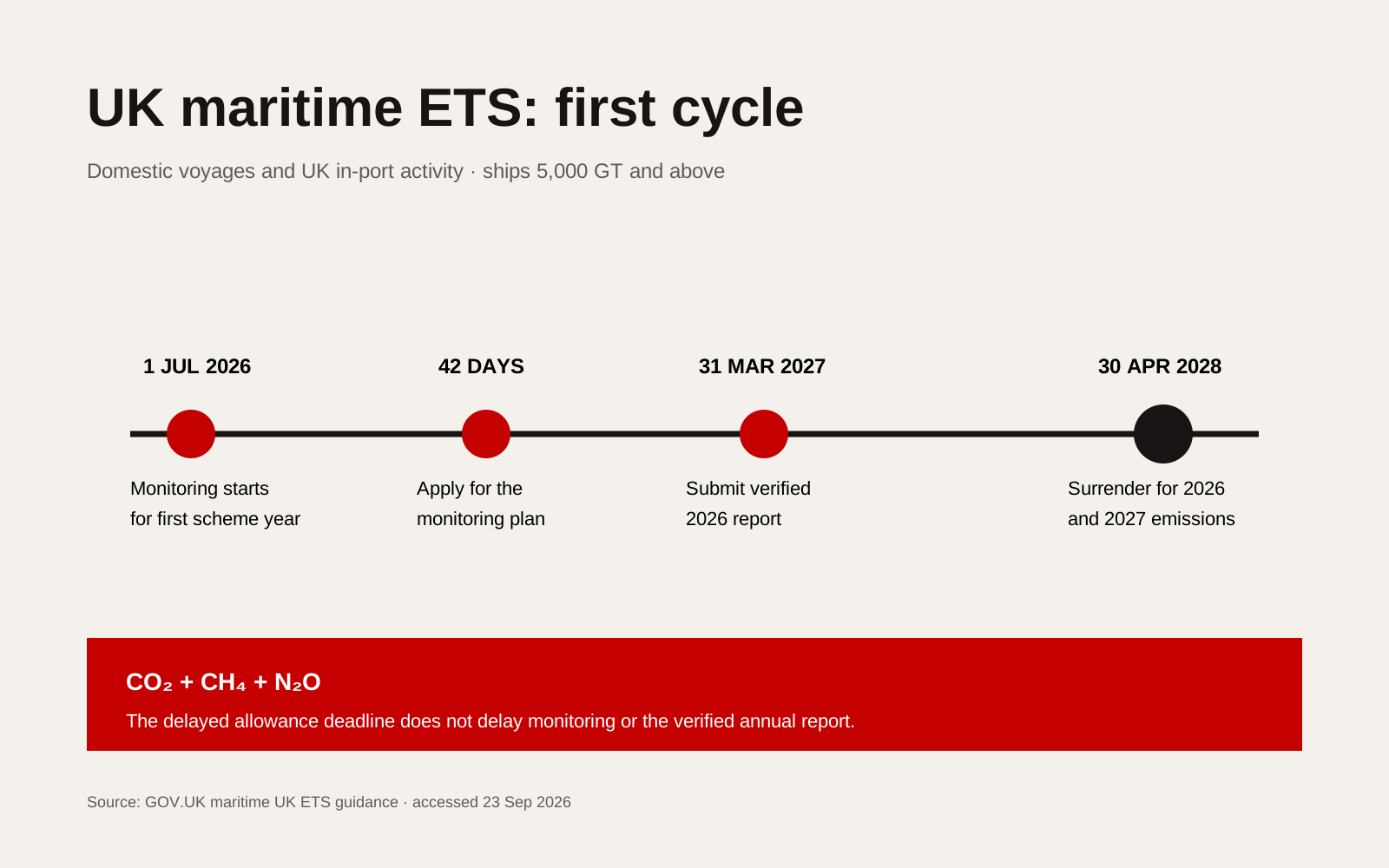
UK maritime ETS timeline from the first 2026 monitoring period to verified reporting and allowance surrender in 2028.
Scope depends on the voyage and port activity
A domestic voyage begins and ends at UK ports of call. The scheme also includes emissions at berth and movements within a UK port of call. A stop made only for fuel, supplies, certain crew relief, dry docking, repairs or shelter is not automatically a port of call under the scheme definition.
The legal operator is usually the registered owner. The owner can delegate UK ETS responsibility to the ISM company through a legally binding written agreement. That delegation cannot be backdated. Commercial contracts should therefore match the formal responsibility rather than assuming the technical manager, charterer or data provider carries it.
| Question | What the operator should establish | What a supplier may need to provide |
|---|---|---|
| Is the ship in scope? | Gross tonnage, activity, voyage and exemption status | Accurate ship and service identifiers |
| Who is responsible? | Registered owner or formally delegated ISM company | Contract wording and named data contact |
| What must be monitored? | In-scope fuel use and CO2, CH4 and N2O emissions | Meter, fuel, factor or activity data with method |
| How will it be checked? | Controls, uncertainty, corrections and verifier access | Calibration, source records and change history |
| What must be surrendered? | Verified emissions after applicable deductions | Evidence supporting any eligible fuel claim |
The first compliance sequence
The first maritime scheme year runs from 1 July to 31 December 2026. An operator must apply for an emissions monitoring plan within 42 days of its first in-scope maritime activity.
The core sequence is:
- Set up the maritime operator account in the Manage your Emissions Trading Scheme service.
- Apply for an operator-level emissions monitoring plan within the 42-day period.
- List the ships, fuels, emission sources, factors and monitoring methods.
- Monitor activity and greenhouse-gas emissions under the approved plan.
- Have the annual report verified and submit it by 31 March 2027.
- Acquire and surrender the required allowances for 2026 and 2027 by 30 April 2028.
The delayed first surrender deadline is a “double-surrender” arrangement. It moves the 2026 allowance deadline. It does not remove the requirement to monitor from 1 July 2026 or to submit the verified 2026 report by 31 March 2027.
What should suppliers prepare?
An operator remains responsible for compliance, but it may depend on several suppliers for source data. Those handoffs need defined fields, owners and correction rules.
Fuel suppliers should know which delivery and sustainability records support the operator’s chosen method and any emissions-reduction claim.
Metering and sensor suppliers should document accuracy, calibration, missing-data behaviour, time basis and how records connect to the correct ship and activity.
Software providers should show the source of each field, calculation version, edit history, export format and how corrected data reaches the annual report.
Technical managers and service companies should define which party records fuel, voyage and port events, who approves changes and how responsibility transfers when management arrangements change.
The official guidance allows manual entry, XML upload and, where supported by a data supplier, an API route for elements of the monitoring-plan data. “We have an API” is therefore not sufficient evidence. The operator needs to know what the interface sends, its schema, validation rules and exception process.
A board-level readiness check
Ask these questions before treating compliance as a reporting-team problem:
- Which legal entity carries UK ETS responsibility for every ship?
- Has the first in-scope activity date been identified?
- Is the monitoring-plan application within the 42-day deadline?
- Which method applies to each ship and source?
- Who owns bunker, tank, meter and voyage data?
- Can every correction be traced to a source and approver?
- Has an accredited verifier been engaged early enough?
- How will the allowance exposure be forecast and governed?
- Do supplier contracts require timely, usable evidence?
- Can the team reproduce the report if a software provider changes?
The scheme is a data and governance obligation before it is a communications topic. A supplier website should explain its part without implying that its product makes an operator compliant. Our guide to UK marine supplier prequalification shows how to state scope, responsibility and evidence clearly.
Creatif Work structures marine websites around the questions operators and procurement teams need answered. When the issue is the reporting workflow itself, our custom software service can map the data owners and exceptions before a new portal or integration is built.