

AMSA Safety Evidence for Marine Suppliers
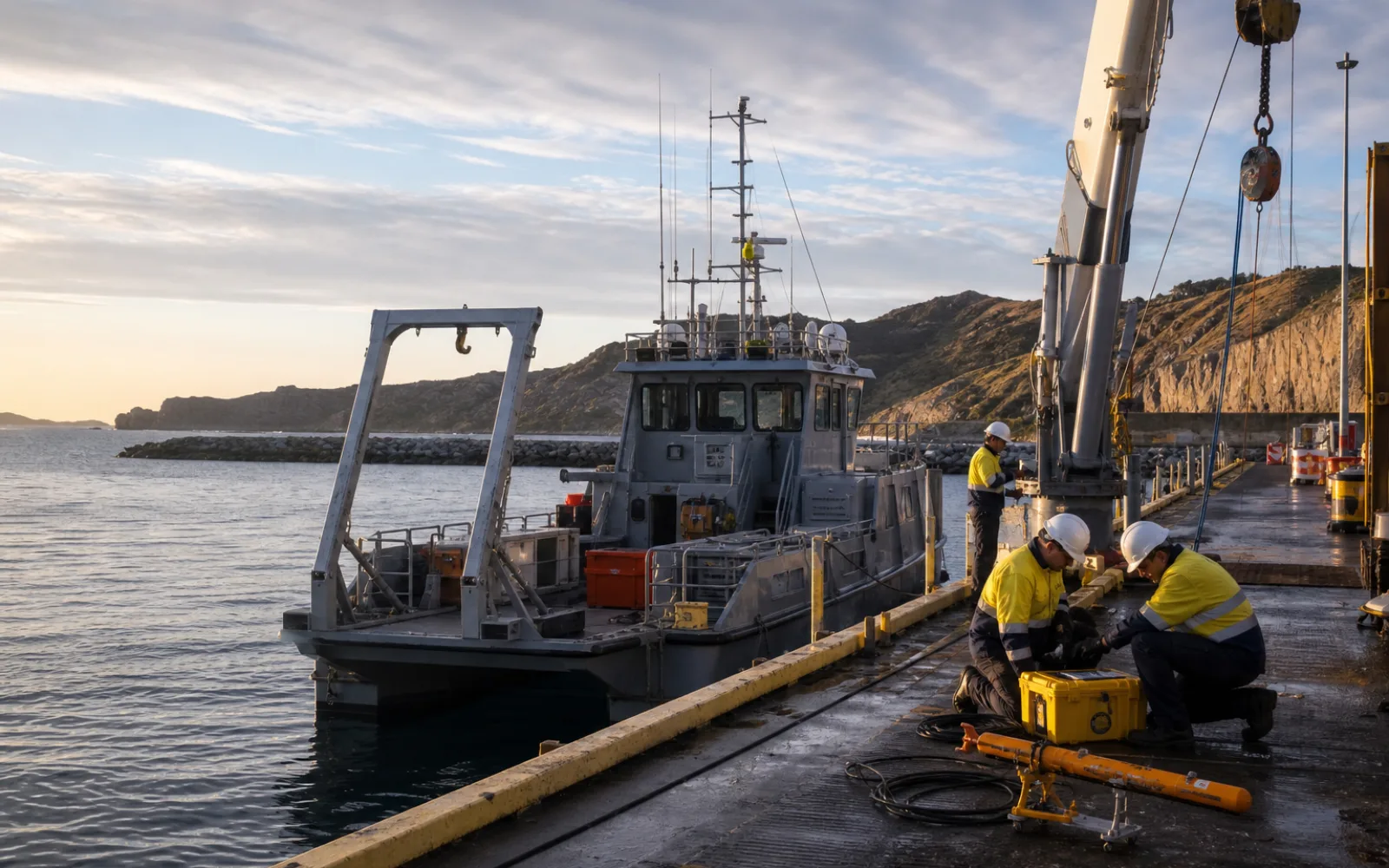
AMSA safety evidence for marine suppliers should be specific to the service, vessel and operating risk. A generic safety badge or “zero harm” statement does not tell an owner, operator or principal how work is planned, controlled and recorded.
AMSA requires domestic commercial vessel operators to have and maintain a safety management system appropriate to their operations. A supplier is not the vessel operator by default, but its work can affect the operator's risk assessment, procedures and records.
What safety evidence should a marine supplier show?
Show the safe-work system behind the relevant service: competencies, risk controls, equipment checks, emergency interfaces, reporting and document ownership. Public pages should explain the system; controlled portals or tender packs can carry sensitive records.
AMSA's safety management system guidance describes the SMS as the system for safely operating the vessel and managing risk. Suppliers should make it easy for an operator to see where their procedure connects to that system.
Start with service-specific risk
Separate diving, electrical work, confined-space entry, lifting, fuel transfer, repair and inspection rather than placing them beneath one “marine services” paragraph. For each service, state the work boundary, typical hazards, controlling procedure and required vessel interface.
Do not publish confidential method statements in full. Publish enough structure to show that the method exists, is reviewed and is assigned to a competent owner.
Connect competence to the work
List licences, training and authorisations beside the activity they enable. State issuing body and validity where appropriate. Explain how subcontractor competence is checked and how site or vessel inductions are recorded.
Headcounts alone do not establish capability. A buyer needs to know the available roles, shift model, geographic base and escalation route.
Explain equipment assurance
For lifting gear, test instruments, breathing apparatus or other safety-critical equipment, explain inspection, calibration or certification controls. Include the record type and responsible role, not every serial number.
Where equipment is mobilised to remote ports, state how replacements, breakdowns and expiry checks are managed. That operational detail is often more persuasive than a broad inventory.
Publish the reporting loop
A useful safety page describes how incidents, hazards, stop-work decisions and corrective actions move through the company. AMSA's guide on developing an SMS emphasises that the system should reflect the actual operation and be kept current.
Show who receives a report, who can stop work, how the vessel representative is informed and how lessons reach the next job. Keep claims precise and auditable.
Build a buyer-facing evidence map
- Service and work boundary
- Applicable procedure or method
- Competent roles and licences
- Equipment assurance record
- Vessel or site interface
- Emergency and reporting route
- Evidence available during prequalification
This structure helps operations and procurement teams locate the right proof without exposing controlled documentation publicly.
Creatif Work designs marine websites that separate credible public evidence from controlled operational records. We can turn an existing HSE library into clear service pages through our website service, so Australian buyers understand the system before requesting the full prequalification pack.