

Australia's $242bn Infrastructure Pipeline
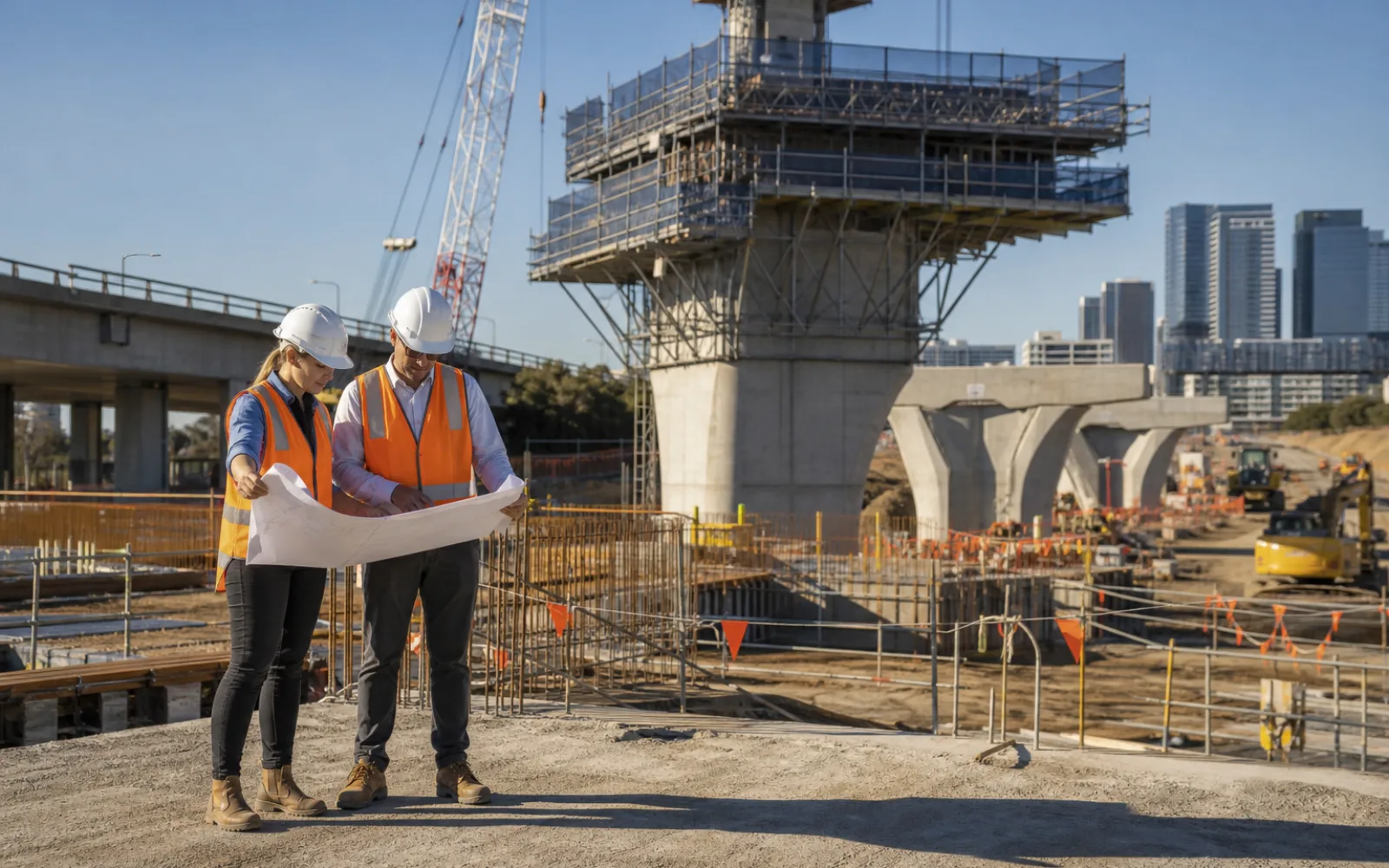
Australia's infrastructure pipeline for 2026 is large, but size alone does not make it accessible. Infrastructure Australia's 2025 market-capacity report describes a five-year major public infrastructure pipeline valued at $242 billion. For contractors and specialist suppliers, the practical task is to find the packages where capability, geography and delivery capacity genuinely align.
The national number combines transport, buildings, utilities and other work across different states and procurement programmes. Treat it as a market map, not a sales forecast.
What does the $242bn pipeline mean for suppliers?
It means sustained opportunity alongside competition for labour, materials and proven delivery teams. Infrastructure Australia's 2025 Infrastructure Market Capacity Report says demand is concentrated in a market still managing workforce and supply constraints.
A firm should therefore evaluate each opportunity through four filters:
- package and technical fit;
- geographic delivery model;
- evidence accepted by the buyer; and
- capacity during the likely mobilisation period.
An attractive project can still be a poor pursuit if it ties up estimators, requires an untested local supply chain or creates an impossible peak across existing work.
Build a state-and-package opportunity map
Do not organise the pipeline as one long list of project names. Group it by state, programme, buyer, procurement stage and work package. Add the probable head contractor or delivery authority when known.
For every target package, write down the licence, insurance, safety, environmental and technical evidence that will be checked. Then identify which completed project offers the closest comparison. This turns a broad outlook into a controlled pursuit plan.
Prepare evidence before the tender opens
The strongest time to build a project sheet is after completion, not during a deadline. Each record should state:
- the client's sector and location;
- scope and contractual role;
- delivery conditions and interfaces;
- relevant standards and systems;
- programme or scale; and
- a result that can be substantiated.
Where confidentiality prevents naming the client, retain the decision facts. A useful anonymous record is stronger than a named logo with no explanation.
Our guide to construction case studies that help a buyer decide explains the difference. Firms entering from overseas should also make operating locations and local partners explicit rather than implying national coverage.
Protect delivery capacity
Pipeline growth can tempt firms into pursuing too much. Run a bid/no-bid review before committing the estimating team. Include labour peaks, plant conflicts, subcontractor availability, working capital, approval lead times and the cost of servicing a remote location.
Use a delayed programme scenario as well as the intended one. The question is not only whether the business can start the work, but whether it can finish it while protecting its other commitments.
A practical 2026 readiness list
- Select priority states and work packages.
- Prepare three comparable project records.
- Audit licences, certificates and insurance dates.
- Publish the actual operating footprint and response owner.
- Record capacity assumptions for each serious pursuit.
- Give tender teams one controlled source for company facts.
The pipeline rewards clarity before it rewards promotion. Creatif Work builds construction websites and evidence libraries that help Australian and international buyers qualify a supplier quickly. We can connect project records, capability pages and the website service to the same controlled facts, so the tender team is not rebuilding the company story every time.