

France's Building Carbon Path: What Material Suppliers Should Publish
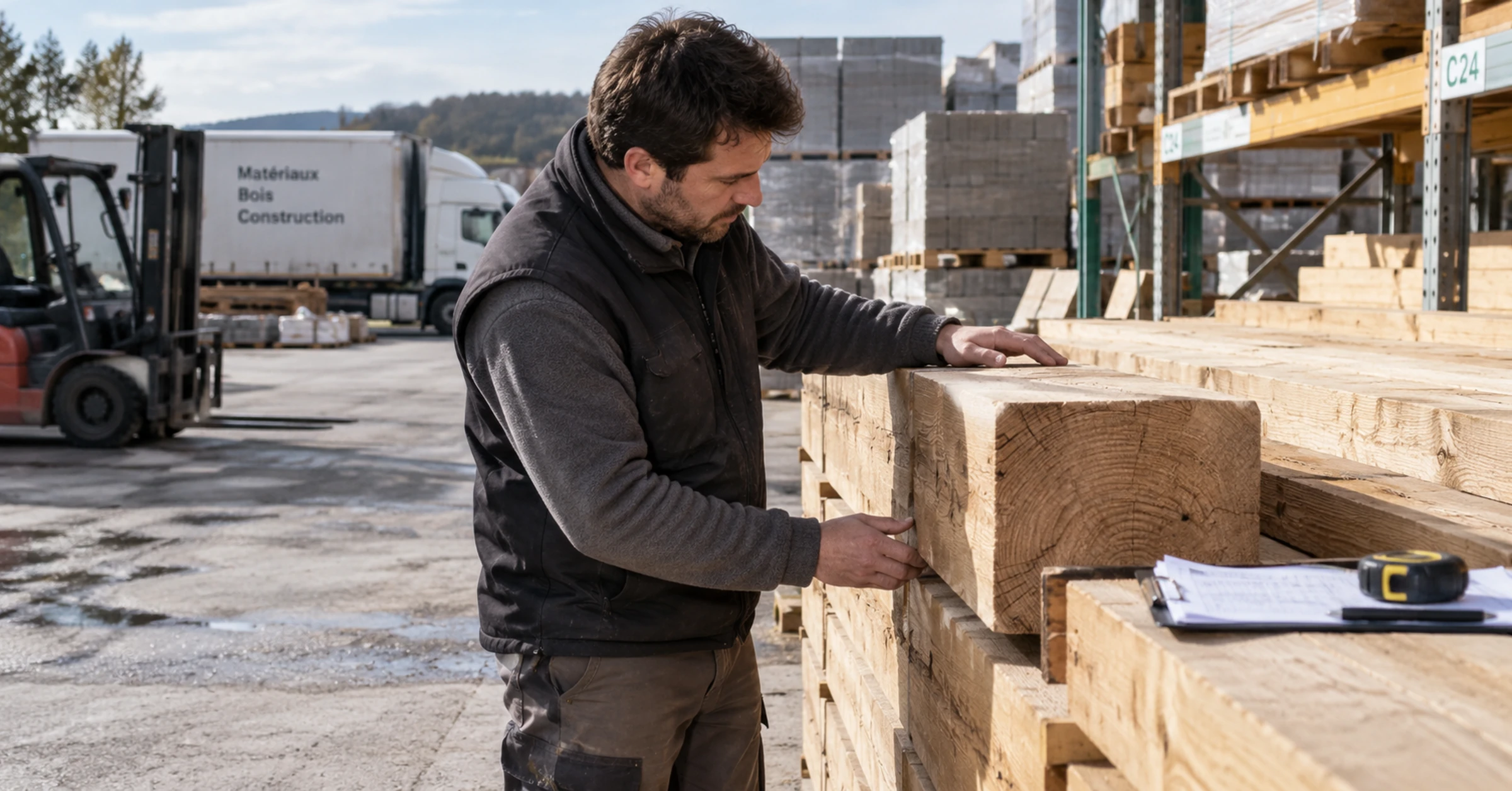
France's building carbon rules make product evidence part of a design decision. A material supplier does not need to turn its website into a regulation manual, but it should help specifiers identify the correct product, find the applicable environmental declaration and understand its scope.
The key is traceability. A low headline carbon number is not useful if the declared unit, reference service life, manufacturing site, product family or declaration status is unclear.
What should material suppliers publish for RE2020 projects?
Publish a clear product identity, current FDES reference, declared or functional unit, service life, scope, verification status, applicable product references and a link to the official INIES record. Add technical performance and installation conditions needed to use the product correctly.
France's Ministry for Ecological Transition explains that RE2020 addresses energy performance, construction-phase carbon and summer comfort in new buildings. The rules were extended on 1 May 2026 to several additional building types, including hotels, shops, healthcare, industrial and airport buildings. Project teams should always check which requirements apply to their permit date and building type.
| Publish on the product page | Why the project team needs it |
|---|---|
| Exact product and variant | Confirms that the declaration matches the specified item |
| FDES name, identifier and validity | Enables a direct check in INIES |
| Declared or functional unit | Prevents comparison of unlike quantities |
| Reference service life | Shows the time basis used in the assessment |
| Geographic and production scope | Clarifies which factories or markets are covered |
| Standards and third-party verification | States the basis of the declaration |
| Technical performance | Keeps carbon evidence tied to required function |
| Revision date and owner | Signals whether the page is actively maintained |
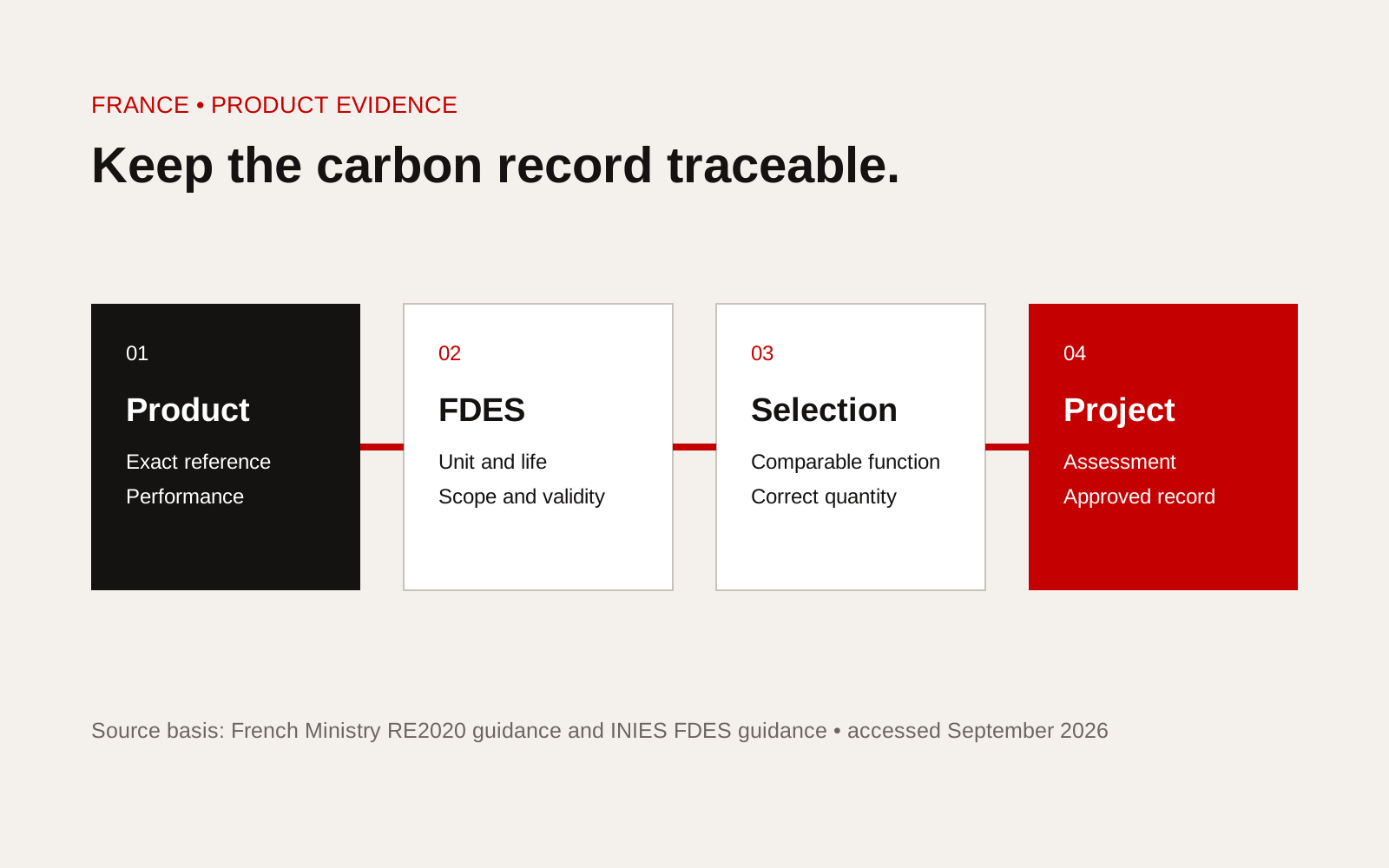
Information path from a verified French FDES to product selection, building assessment and project evidence.
Use the FDES as a controlled source
INIES describes an FDES as a Type III environmental declaration under ISO 14025. Its official FDES guidance says an FDES contains life-cycle and health information, must meet EN 15804 and its French national supplement, and has required third-party verification for publication in INIES since July 2017.
Do not retype a few selected values without preserving their context. Instead, maintain a short page record that points to the current declaration and makes the match between declaration and commercial references explicit.
Useful fields include:
- declaration owner and programme operator
- registration number and validity dates
- collective or individual declaration status
- product names and codes covered
- declared unit and reference service life
- lifecycle modules reported
- manufacturing location or geographic scope
- link to the INIES entry and downloadable document
If one declaration covers a family, explain the range and any limits. Do not imply that every variant has identical performance when the declaration uses a representative or conservative product.
Keep carbon and technical performance together
A lower environmental result is not a substitute for fire, acoustic, structural, thermal, durability or hygiene performance. Specifiers need to compare products that perform the same job.
A useful page structure is:
- Application: where the product can and cannot be used.
- Performance: values, test methods and classifications.
- Environmental evidence: FDES identity, unit, service life and scope.
- Installation: conditions that affect quantities, waste or performance.
- Documents: declaration, data sheet, certificates and details.
- Support: named route for project-specific questions.
This order prevents the environmental section from becoming an isolated marketing panel.
Show dates and coverage clearly
INIES reported in its 2026 database barometer that the database had more than 7,500 environmental declarations by May 2026. More records make precise identification more important, not less.
Give every evidence item a status:
- current and applicable
- current but applicable only to named references
- under renewal
- replaced by a newer declaration
- project-specific evidence available on request
Never leave an expired document in the main download area without a warning. If an old declaration supports a completed project's historical record, place it in a labelled archive.
Prepare for project questions
A supplier should be able to answer the following without asking the project team to interpret the declaration alone:
- Which listed products are covered?
- Does the evidence cover supply to France?
- What quantity and unit should the assessor use?
- What service life is declared?
- Which lifecycle stages are included?
- Is installation loss included, and on what basis?
- What technical document confirms required performance?
- Who handles a mismatch between the product and database record?
Publication checklist
- Product identity matches sales and technical documents
- INIES link opens the intended record
- Validity and revision dates are visible
- Functional or declared unit is stated
- Reference service life is stated
- Covered variants and exclusions are clear
- Environmental claims keep their lifecycle context
- Technical performance remains easy to compare
- Expired documents are removed or archived
- A technical contact owns updates
Our guide to French construction websites and RE2020 covers the wider information structure. Creatif Work builds construction websites that connect verified product records, project proof and useful enquiry routes. Through our website service, suppliers can maintain environmental evidence without making specifiers hunt across disconnected PDFs.