

Remote Port Services in Australia: Buyer Guide
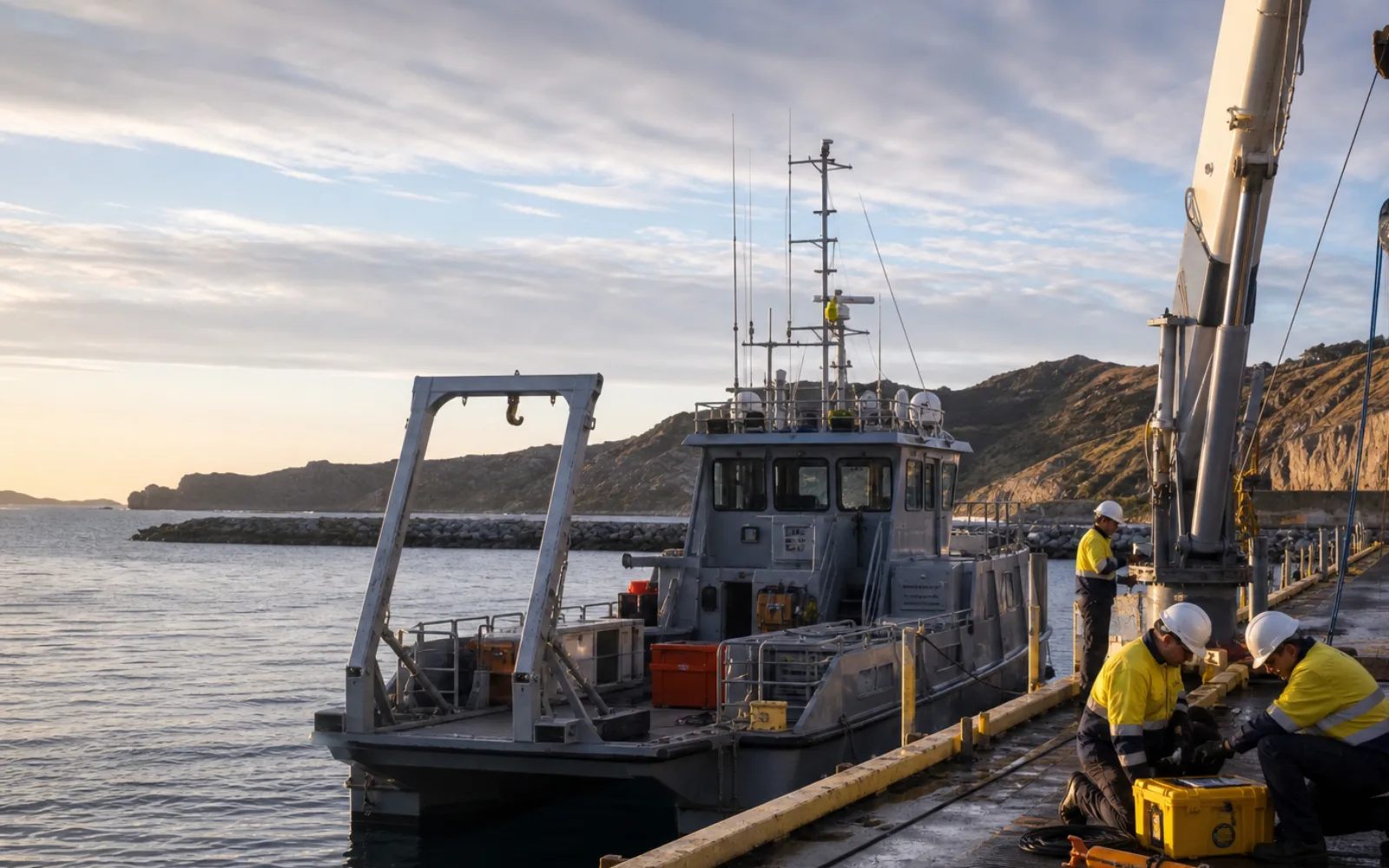
Remote port services in Australia are bought on operational confidence. A useful service page explains where the team can mobilise, what travels with it, which conditions change the response and who owns the job from request to close-out.
Large coverage maps and 24/7 claims are common. Buyers need the practical model behind them.
What should a remote port service page answer?
Answer coverage, lead time, crew competence, equipment, permits, safety interfaces, logistics and escalation. State the difference between staffed locations, routine service areas and locations reached through mobilisation or partners.
Publish honest coverage tiers
Use three categories:
- permanent base or resident team;
- planned service region; and
- project mobilisation area.
For each, give realistic response conditions. Weather, flight availability, road access, vessel schedule, parts and inductions can all affect mobilisation. Avoid a single response-time promise that cannot survive remote conditions.
Describe the mobilisation package
List the roles, tools, consumables and documentation normally mobilised for each service. Explain what must be supplied by the vessel, terminal or principal. For calibrated or certified equipment, identify how validity is checked before dispatch.
AMSA's safety management guidance is a useful reminder that procedures must fit the actual operation. Explain how the supplier's task risk assessment and method connect to the vessel or site system.
Show relevant remote evidence
Choose cases that demonstrate logistics and self-sufficiency, not only technical completion. A useful record states location type, scope, mobilisation constraint, interfaces, duration and result. If confidentiality applies, name the port region or operating environment rather than the client.
Link each case to the service it proves. Our article on case studies that support a decision offers a reusable structure.
Make emergency contact usable
Separate emergency response from normal enquiries. State the phone coverage, information required at first contact, escalation owner and when the firm will decline or refer work. A clear boundary is safer than an unsupported “anywhere, anytime” claim.
Useful first-contact details include vessel or asset, berth or coordinates, fault or required scope, operating condition, access restrictions and required completion time.
Close the documentation loop
Explain what the customer receives after work: service report, photographs, test result, certificate, defect list or recommendations. State how records are transferred and retained. Remote work becomes much easier to manage when close-out expectations are agreed before mobilisation.
Creatif Work structures marine websites around real operating decisions. We can turn a coverage claim into service-area pages, mobilisation checklists and evidence-rich cases through our website service, giving remote Australian buyers a clearer basis to call.