

Australia Marine Safety Management: Explain Your SMS
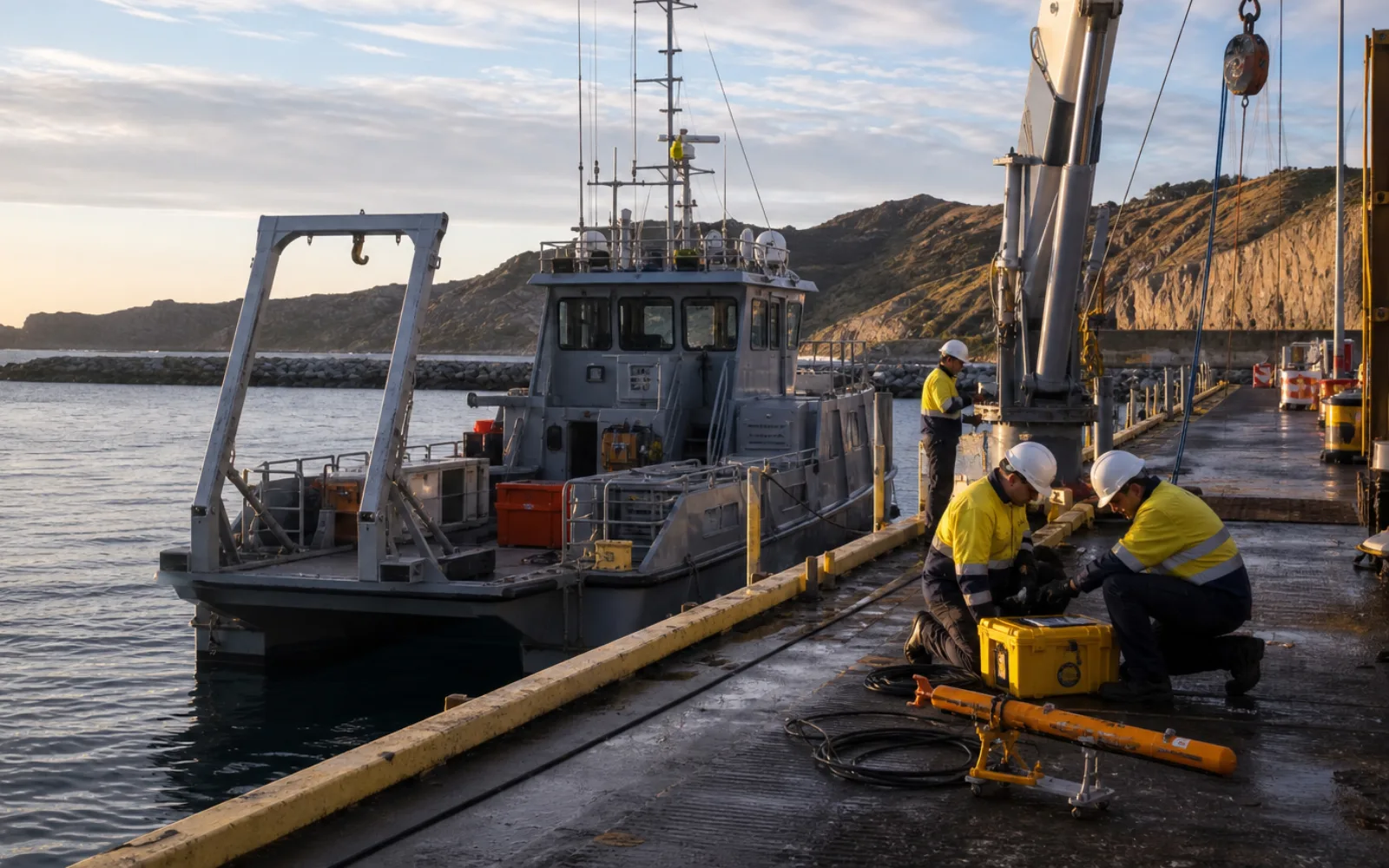
An Australia marine safety management system is an operating system, not a document displayed for compliance. A buyer, charterer or crew member should be able to understand its vessel scope, responsibilities, key procedures, reporting and review cycle without exposing controlled information publicly.
AMSA says domestic commercial vessel owners must implement and maintain an SMS that is appropriate for the vessel, operation and risks. Its SMS guidance should be the starting point for compliance; this article focuses on explaining the system accurately to stakeholders.
How should a marine operator explain its SMS?
Describe the vessels and operations covered, risk-management process, responsible roles, emergency framework, competence controls, record system and review process. Keep the public summary aligned with the controlled SMS.
State vessel and operation scope
List the vessel class or fleet group, operating area and service profile covered by the system. If different vessels use different procedures, explain the hierarchy rather than implying one manual fits everything.
Do not copy regulatory wording without showing the actual operation. AMSA's guide to developing an SMS emphasises tailoring the system to the vessel and operation.
Map responsibility to decisions
Name roles rather than relying only on an organisation chart. State who is responsible for seaworthiness, crewing, maintenance, voyage planning, emergency response, hazard reporting and SMS review. Explain the shore-to-vessel escalation route.
A visitor should also understand stop-work authority and how concerns can be raised.
Show how risk becomes procedure
Explain the path from hazard identification to risk assessment, control, briefing, record and review. Give safe public examples such as passenger transfer, towing, working over water or machinery isolation.
Avoid publishing details that create security or privacy risk. The aim is to prove the management loop, not release the full manual.
Connect suppliers and contractors
State how third parties are selected, inducted, supervised and incorporated into vessel procedures. Link relevant supplier evidence to the service or vessel interface.
Our related guide on AMSA safety evidence for suppliers explains the other side of that exchange.
Keep the public summary current
Assign an owner, review date and trigger events such as vessel acquisition, route change, incident or regulatory update. When the controlled system changes, check the website, tender statements and induction material for contradictions.
Creatif Work builds marine websites that communicate operational confidence without turning compliance into marketing theatre. Our website service can translate an approved SMS structure into clear fleet, safety and service pages while leaving controlled records where they belong.