

Pilot, Sea Trial or Proven System: Label Marine Evidence Properly
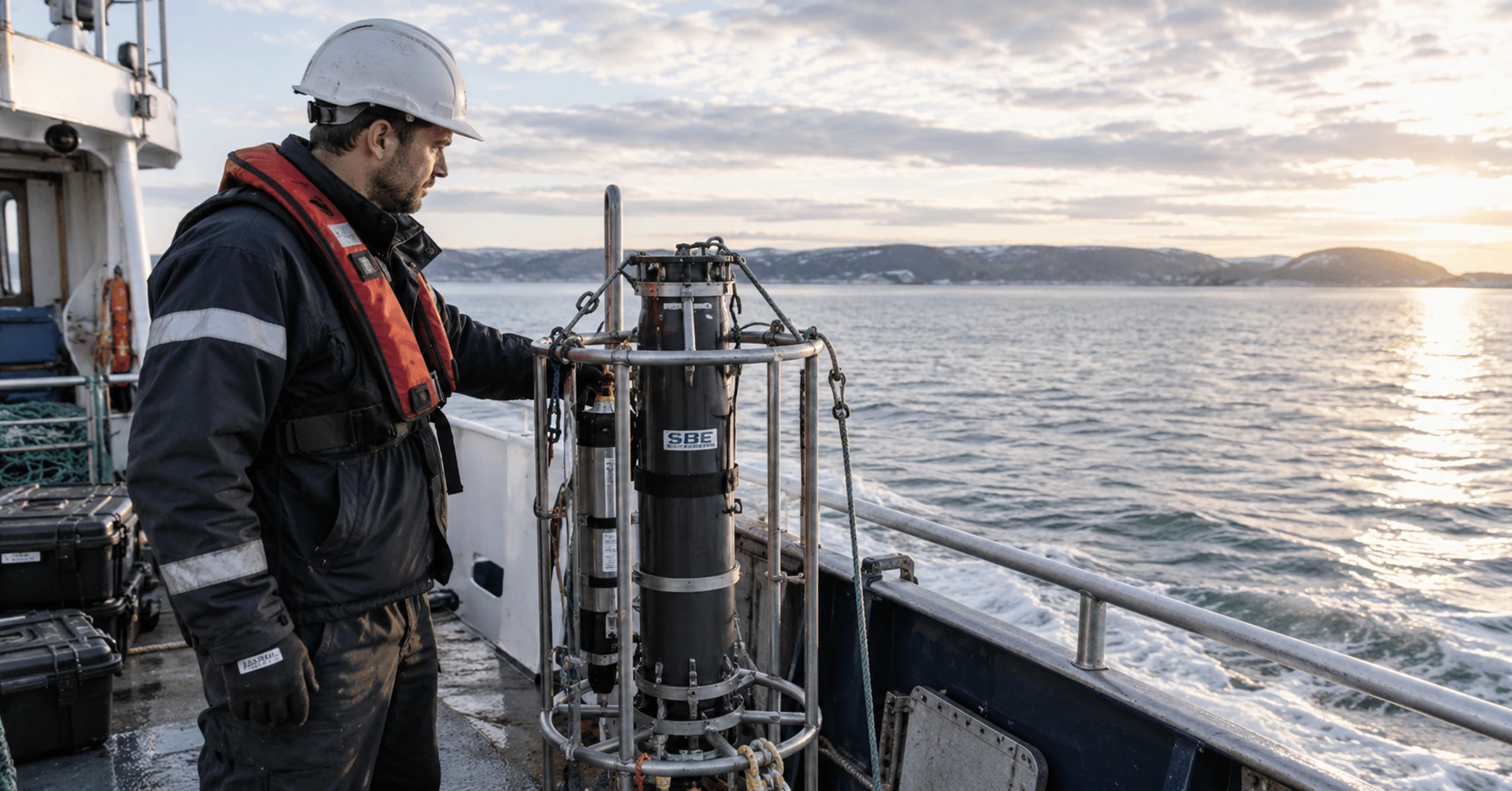
Marine technology pages often use "tested", "trialled" and "proven" as if they mean the same thing. They do not. A controlled bench result, a short harbour pilot and sustained operation on working vessels answer different questions.
Clear labels protect buyers and suppliers. They let a technical team discuss the remaining risk without dismissing useful early evidence.
What is the difference between a pilot, sea trial and proven system?
A pilot tests a defined use case at limited scale. A sea trial tests a vessel or system under stated marine conditions and an approved plan. A proven system has repeatable evidence in relevant operations over a stated period. None of these labels should stand alone without scope, conditions and result.
| Evidence stage | What it can show | What it does not prove by itself |
|---|---|---|
| Bench or lab test | Component behaviour under controlled inputs | Vessel integration or marine reliability |
| Simulation | Response across modelled scenarios | Real sensor, crew and environmental performance |
| Pilot | Feasibility in a limited operating case | Full scale, duration or fleet repeatability |
| Sea trial | Performance and safety under stated marine conditions | Long-term operational availability |
| Operational deployment | Performance in normal work over time | Suitability for every vessel or route |
| Replicated operation | Repeatability across named contexts | Universal performance outside that scope |
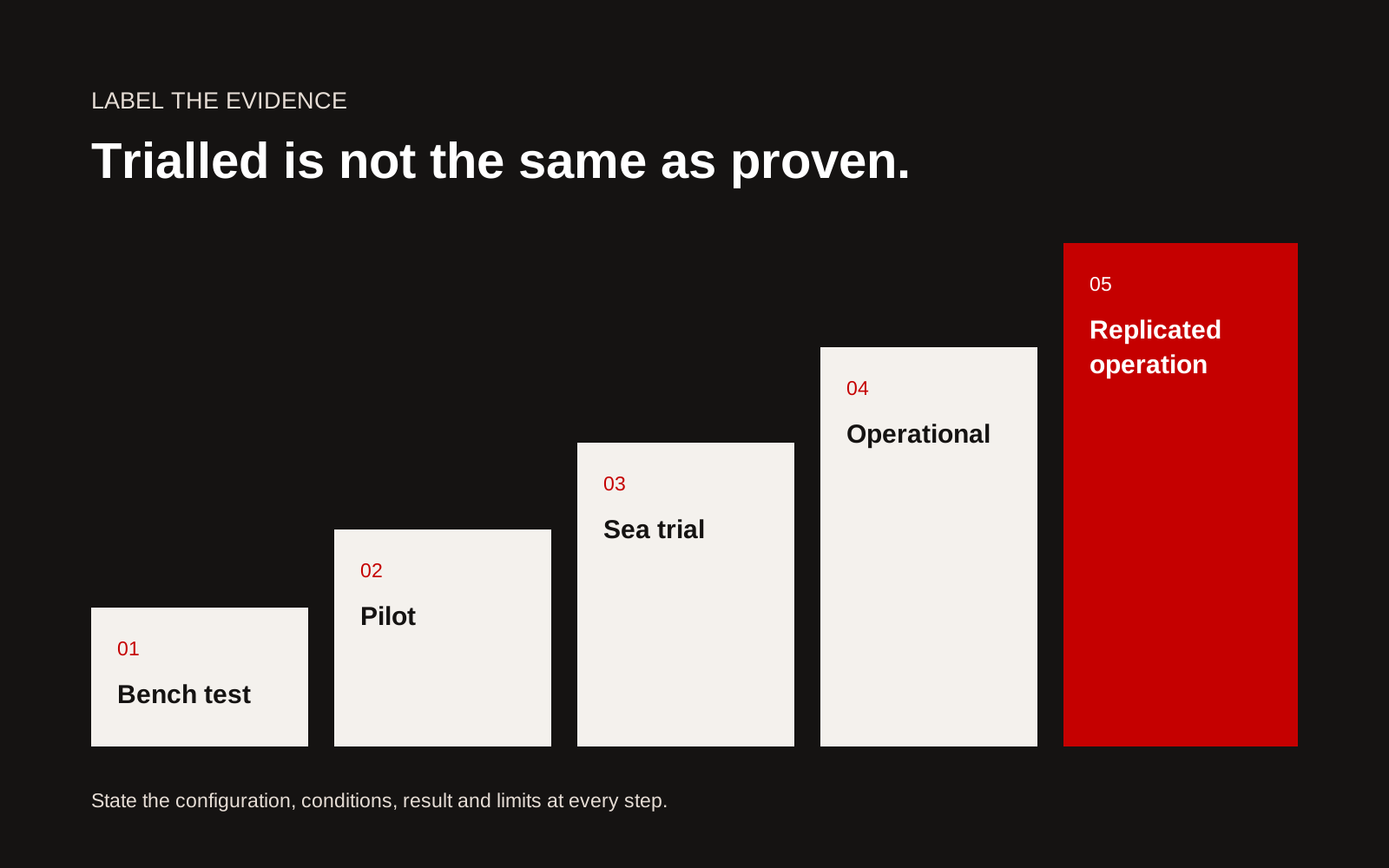
Marine evidence ladder from bench test through pilot and sea trial to operationally proven system.
Label the noun, not only the adjective
"Successfully trialled" hides the important facts. State what was trialled: a sensor, decision-support function, propulsion component, vessel, fuel process or end-to-end service.
Then state:
- vessel or test platform
- location and operating area
- dates and duration
- configuration or software version
- weather and sea-state limits where relevant
- crew and shore roles
- scenarios completed
- data measured
- acceptance result
- limitations and next step
If client confidentiality prevents naming the vessel, retain enough detail to explain relevance without implying a wider result.
Separate test success from system readiness
A test can meet its objective even when the system is not ready for normal service. For example, a pilot may confirm that data can be captured, while revealing that sensor maintenance or crew workflow needs revision.
Use three statements:
- Objective: what the activity was designed to test.
- Observed result: what happened under the stated conditions.
- Readiness conclusion: what decision the evidence supports next.
This prevents a marketing sentence from becoming broader than the technical report.
Use the trial plan as the source of public claims
The UK Maritime and Coastguard Agency's prototype vessel trials guidance asks applicants for trial objectives, a concept of operations, vessel and system details, a regulatory gap analysis and a trials safety case. These are also useful headings for a publishable summary, after controlled information is removed.
Do not publish the complete safety case. Publish enough to show that the trial had defined conditions, competent oversight and a result tied to its objective.
Claim approval table
| Proposed phrase | Evidence needed | Safer label when evidence is limited |
|---|---|---|
| Tested | Test method, configuration and result | Bench-tested under stated inputs |
| Sea-trialled | Trial plan, vessel, conditions and outcome | Trial completed on one named vessel type |
| Validated | Independent or agreed validation basis | Result checked against the stated acceptance rule |
| Proven | Repeated relevant operational evidence | Used operationally for a stated period |
| Class-approved | Approval document and exact scope | Reviewed or approved for the named scope only |
Avoid using a logo as a substitute for scope. A class, flag, port or research partner may have observed, supported or approved a particular activity. State the relationship accurately and obtain approval for the wording.
Keep an evidence register
Create one controlled record for public claims. For each claim, store the underlying test report, configuration, reviewer, approval status and wording permitted for external use.
Useful fields are:
- claim ID and public sentence
- technology and version
- evidence stage
- report or dataset reference
- applicable vessel, route or condition
- independent party and role
- known limitation
- technical owner
- client or partner approval
- review date
This stops a valid pilot result from slowly becoming "fleet proven" as it moves through sales decks and website updates.
Make progress visible without exaggeration
Early evidence is still worth publishing. A buyer may value a well-designed pilot more than a broad unsupported claim. Show the development path and open questions.
For example:
- bench testing completed for component performance
- harbour pilot completed for integration and operator workflow
- limited sea trial completed under named conditions
- extended operational evaluation in progress
- commercial availability subject to vessel review
The MCA's UK Maritime Innovation Hub exists to support engagement from early concepts through trials. That progression is a better model for content than treating proof as a yes-or-no badge.
Publication checklist
- Evidence stage named accurately
- Technology and configuration identified
- Vessel, location and period stated where approved
- Objective and acceptance basis visible
- Result separated from interpretation
- Operating conditions and limits included
- Partner and authority roles described correctly
- No approval implied beyond documented scope
- Next evidence stage stated
- Claim owner and review date recorded
Creatif Work structures marine websites around this evidence ladder. Our website service can connect trial summaries to services, technical documents and enquiry questions, while our article on evidence for UK engineering case studies gives teams a reusable approval structure.