

B2B Link Building: What Makes a Link Worth Pursuing?

A B2B link is worth pursuing when its context helps a relevant reader assess your business or use your information. Start with the audience, the editorial reason and the destination. A large backlink count does not establish commercial value. Paying for a guaranteed ranking link creates a different risk from buying clearly disclosed advertising.
A supplier receives a spreadsheet promising dozens of placements. The list contains publications, directories, partner pages and sites nobody on the sales team recognises. Every entry has a score. None explains who reads it or why that reader would need the supplier's page. The spreadsheet looks complete while the central decision remains unanswered.
This guide gives that decision a working method. It covers associations, supplier records, trade publications, original resources, editorial outreach, sponsorship and reporting. It does not promise placements, ranking changes or sales. The examples are fictional exercises. Photographs are generated illustrations, never evidence of actual clients, editors or completed outreach.
Use the link-opportunity workbook or editable CSV registers. The five web tables provide the same planning structure. Keep actual contact details, permission records and commercial discussions in your private working copy.
Identify the reader before assessing the domain
A domain can publish material for several audiences. A manufacturing magazine might have an engineering section, a supplier directory and a recruitment board. Those are different opportunities. The website's overall reputation cannot tell you whether a particular page reaches a procurement manager investigating a technical requirement.
Describe the reader's task in one sentence. They may be finding a regional distributor, checking material compatibility or learning how to prepare a specification. Then name the destination that answers it. Linking to a homepage is useful when the reader needs the company identity. A technical article or product-family page may serve a narrower task better.
Read the prospective page, surrounding section and recent articles. Look for named editors, publication dates, corrections, attribution and a coherent subject area. These observations help assess editorial context. They do not prove readership. If audience numbers matter to a paid placement, request the publisher's definitions and measurement period rather than infer reach from an attractive website.
A fictional precision-parts supplier illustrates the difference. Its engineer has written an approved explanation of how drawing tolerances affect quotation questions. A manufacturing editor covering supplier selection has a reason to refer readers to that explanation. An unrelated lifestyle page offering any commercial anchor has no comparable editorial reason. Both might create a clickable link. Only one fits the stated buyer task.
Google's link best practices recommend descriptive, relevant link text and crawlable links. This supports checking how a reference is implemented. It does not make every technically valid link useful. The commercial assessment still belongs to the business and depends on the page context.
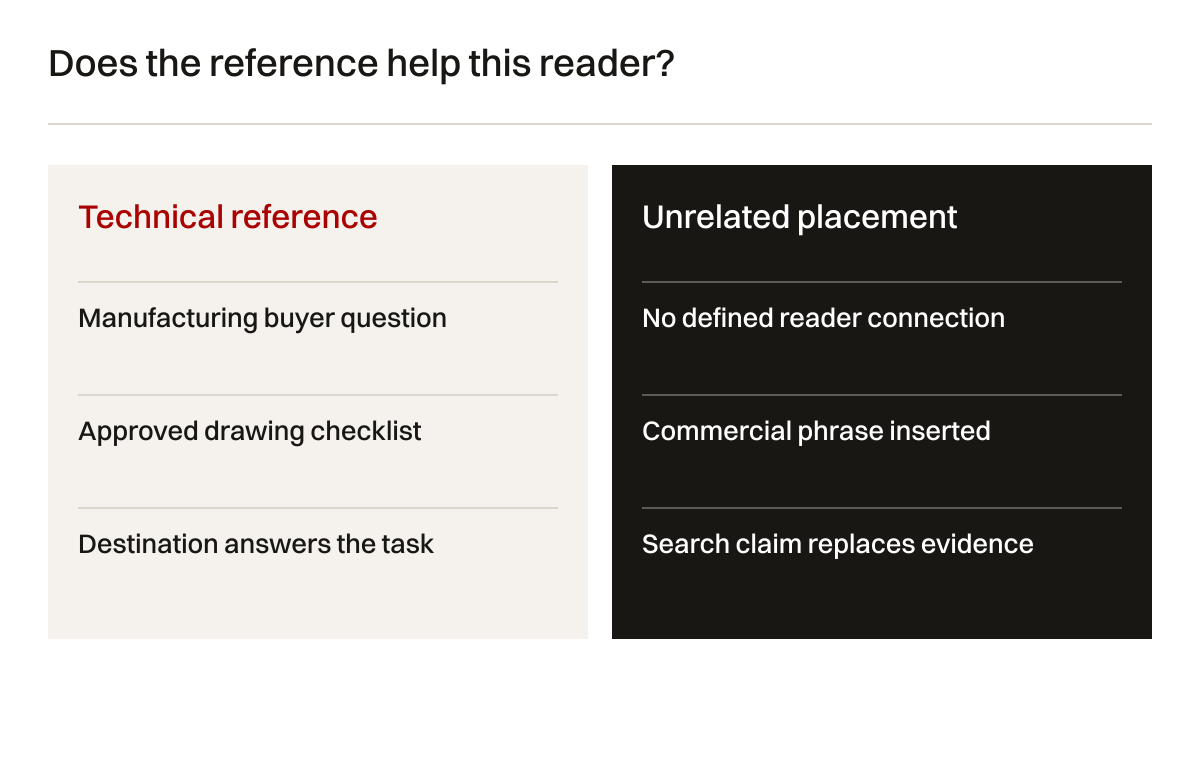
Table 1: opportunity types and their editorial purpose. Examples describe possible relationships, not endorsements of individual publishers or guaranteed placements.
| Opportunity | Reader task | Reason for the reference | Check before work |
|---|---|---|---|
| Trade association listing | Find a verified member | Current membership and accurate scope | Eligibility, page quality and approved company details |
| Manufacturer distributor record | Locate an authorised supplier | Documented commercial relationship | Authorisation, territory and destination accuracy |
| Trade publication article | Understand an industry question | Approved specialist contribution | Editorial control, relevance and disclosure |
| Original technical resource | Apply or compare a method | A useful explanation with declared limits | Source approval, calculations and reuse rights |
| Event speaker biography | Assess a contributor | Real participation and relevant expertise | Event status, biography approval and link context |
| Disclosed sponsorship | Discover an advertiser | Paid commercial exposure | Audience evidence, terms and appropriate link qualification |
Keep the assessment at page level. A listing on a legitimate association website may be outdated or buried behind an inactive search tool. A supplier record may list the wrong region. An editorial article may reference a useful resource but link to a retired address. Correcting those problems can help readers without creating a new campaign.
Separate relationship records from editorial coverage
Some references document a relationship. Others explain a subject. A member listing should accurately represent membership. A distributor listing should accurately represent authorisation. A published article should contribute to the publication's readers. Treating all three as interchangeable backlink inventory loses their purpose and often produces weak requests.
Begin with relationships the business already holds. Ask commercial colleagues which manufacturers, associations and event organisers have legitimate public records. Confirm that publication is appropriate. A customer contract may be confidential. A logo on your website does not establish permission to seek a customer endorsement elsewhere.
For each record, compare the public facts with the approved source. Check the company name, website, location, capabilities and relationship status. If a manufacturer grants distribution rights for one product family in Singapore, do not describe worldwide exclusivity. The correction request should quote the approved facts privately and point to the relevant public destination.
Then consider editorial contributions. Identify questions your specialists can answer with evidence they have authority to publish. An editor may want an independent explanation, not a promotional company profile. Agree authorship, review boundaries, supporting files and disclosure before spending engineering time. The editor retains publication discretion unless a separate commercial arrangement states otherwise.
A fictional association record contains an old homepage address. The supplier's authorised manager verifies current membership and requests a correction. That is a maintenance task. A new article explaining inspection documentation requires research, technical approval and editorial review. That is content work. Report them separately because they require different evidence and imply different outcomes.
Do not create an exchange programme that obliges every partner to link back. Google's spam policies identify manipulative paid links, excessive exchanges and low-quality directory practices as link-spam examples. A genuine business relationship does not remove the need to assess the actual linking arrangement.
Build something an editor can actually use
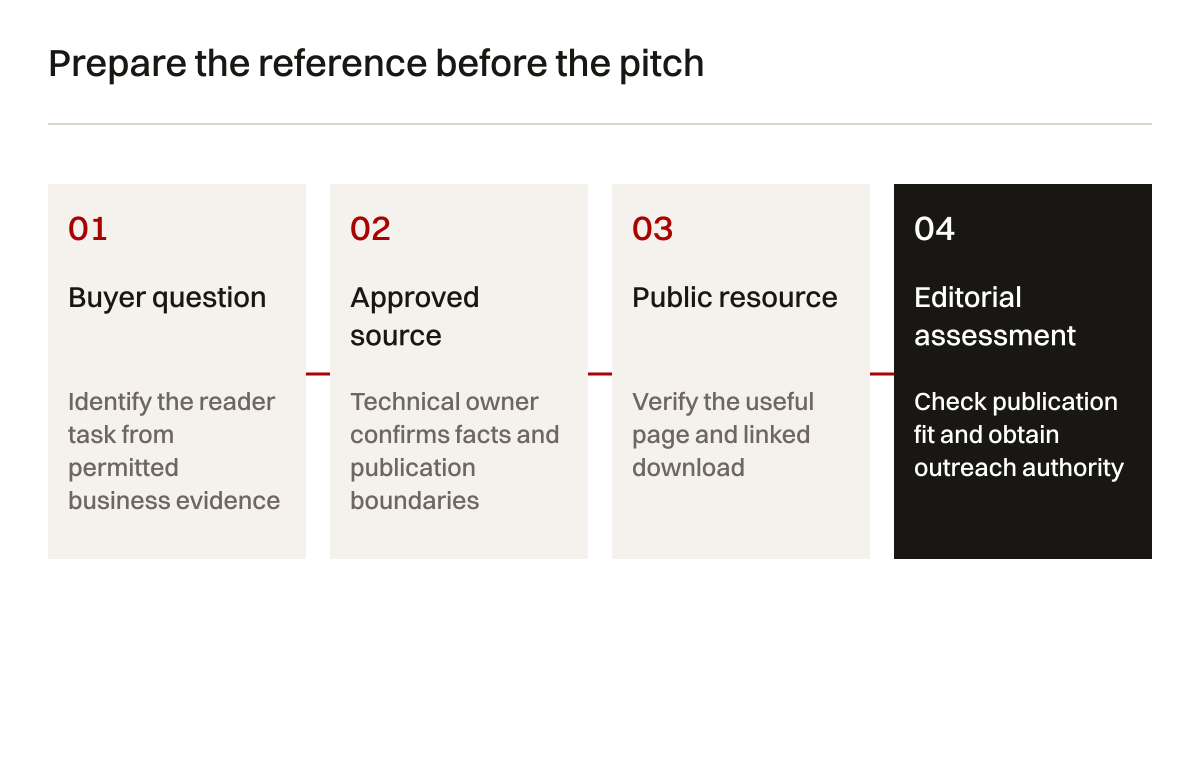
A resource deserves attention when it saves the reader work or clarifies a consequential decision. For a technical supplier, that might mean a drawing-preparation checklist, a units explanation or a comparison of documentation requirements. The subject should emerge from real buyer questions. It should not be chosen solely because a keyword tool displays an attractive estimate.
Write down what the resource covers and excludes. A checklist that helps prepare an enquiry is different from engineering approval. A material comparison may depend on temperature, loading, corrosion environment and a specific manufacturer's data. Naming those limits lets a reader judge applicability and prevents a short article from implying technical authority it does not have.
Ask the technical owner for the source record behind each factual claim. Retain the source edition and approval date. Where arithmetic is included, provide inputs and units. If the figures are synthetic teaching examples, label them at the figure and in the downloadable data. Do not invent installation results, savings or project outcomes to make a contribution sound newsworthy.
Useful original material can be small. Imagine an approved enquiry checklist explaining why a parts request needs the drawing revision, material specification and required quantity. The supplier has observed those missing fields internally but has no consent to publish individual customer requests. It can describe the process without exporting protected records or claiming a measured industry-wide failure rate.
Google's helpful content guidance asks whether content provides useful original information and serves its intended audience. For this workflow, use that as an editorial review prompt. It cannot predict whether another publisher will cite the resource or whether search visibility will change.
Make the resource usable on your own website before pitching it. Check the mobile layout, linked downloads, terminology and enquiry path. An editor opening a broken PDF encounters a publishing problem immediately. A buyer arriving at a technically accurate article still needs an obvious route to the relevant service or product scope.

Illustrative generated photograph. Measurement tools and notes represent resource preparation, not verified testing or an actual client project.
Use a written assessment instead of a magic score
Third-party authority metrics can be screening aids. They are estimates made by particular tools with their own data and formulas. They are not Google's public ranking score and they do not certify audience suitability. Keep the tool name, collection date and purpose whenever a metric enters a working record.
Assess a candidate through several independent questions. Is the reader relevant? Is the page understandable? Does the proposed reference help that reader? Is the publication current? Is there a valid relationship or editorial contribution? Are commercial terms transparent? Would the opportunity still make sense if it offered no search benefit?
The last question is useful because it exposes weak reasoning. An approved supplier listing can help procurement even without measurable search improvement. A paid editorial feature can reach a suitable audience if its terms and disclosure are clear. A page purchased only because it promises ranking credit has no independent commercial case.
Table 2: a page-level assessment register. These qualitative checks guide a decision. They are not a ranking formula or an industry benchmark.
| Criterion | Evidence to collect | Acceptable working answer | Reason to pause |
|---|---|---|---|
| Audience relevance | Page topic and section context | Named buyer task fits | Audience inferred only from a domain score |
| Editorial reason | Contribution brief or relationship | Reader gains specific information | Link exists solely to manipulate rankings |
| Destination quality | Public page and download tests | Accurate, usable answer | Broken, misleading or unrelated destination |
| Commercial transparency | Written terms and disclosure | Paid status is clear | Seller hides placement or qualification |
| Publication authority | Named editor or accountable owner | Review route is identifiable | No accountable publication contact |
| Business permission | Internal approval reference | Claims and contact are authorised | Confidential relationship or disputed facts |
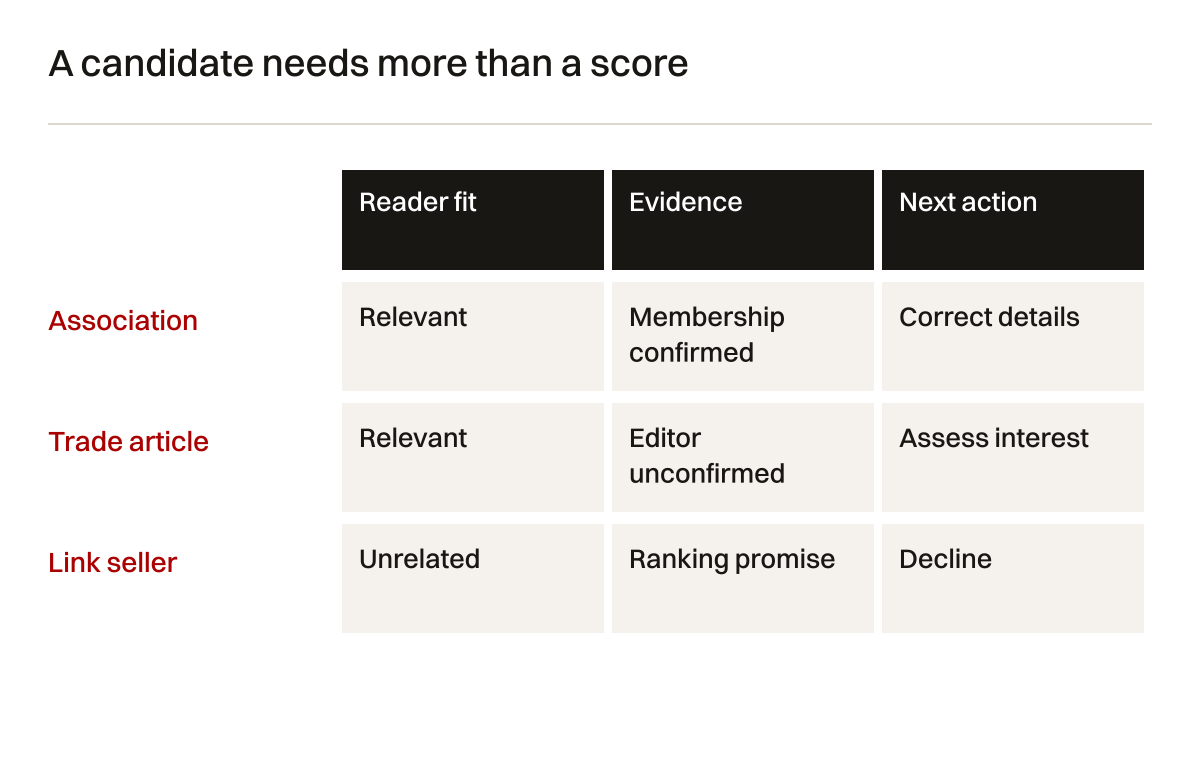
A fictional shortlist contains four pages. The association record is suitable but needs a name correction. The trade article fits the resource but has no confirmed editorial interest. The sponsored feature fits the audience but needs written terms. The unrelated link seller fails the reader-task check. Record those distinct states. A single aggregate score would conceal the practical next step.
Assign an owner to unresolved evidence. Commercial staff verify relationships. Technical staff verify claims. An editor or content lead prepares the contribution. The person conducting research should not quietly approve customer logos, price claims or unpublished specifications because a deadline approaches. Assessment becomes useful only when each question has someone able to answer it.
Recognise paid exposure and qualify it properly
Advertising and sponsorship can be commercially reasonable. The important questions concern audience, terms, disclosure and what is being purchased. Do not disguise a paid placement as an independent recommendation. Do not buy a supposed search guarantee. Write down whether the arrangement purchases display, an article, event exposure, a listing or something else.
Google's outbound-link qualification guidance identifies sponsored attributes for paid placements and explains other qualification values. The publisher controls its implementation. Ask for the expected treatment before approval and inspect the published page afterwards. A verbal promise is not evidence of the final markup.
Reader disclosure and link qualification are separate checks. A paid feature can show a commercial label while its HTML lacks the intended attribute. Conversely, a technical attribute is not necessarily a clear disclosure for a human reader. Your assessment should examine both, following applicable advertising rules and the publisher's stated policy.
Inspect any service package at the level of actual deliverables. What sites and pages are proposed? Can the business reject an unsuitable topic? Who writes the article? Who approves factual claims? Does the seller control the host site? How long is the placement expected to remain? Can it be removed? What evidence arrives at completion?
Table 3: risks and useful next checks. A pause is a request for evidence or a change in scope, not an allegation that a named publisher has acted improperly.
| Situation | Risk to examine | Next check | Decision record |
|---|---|---|---|
| Guaranteed ranking package | Unsupported result promise | Ask for exact deliverables and policy treatment | Reject guarantees as acceptance evidence |
| Paid article presented as independent | Misleading commercial context | Confirm disclosure and qualification | Approval depends on clear terms |
| Unknown publication network | Little audience or editorial evidence | Inspect representative live pages | Document unresolved ownership |
| Compulsory reciprocal link | Manipulative exchange pattern | Review necessity and publisher choice | Separate relationship from linking obligation |
| Unapproved technical claim | Public accuracy and confidentiality | Obtain source-owner approval | Keep draft unpublished until resolved |
| Expired or moved destination | Reader cannot reach useful material | Test final visitor path | Correct before promotion |
Keep contractual matters concrete. If a seller commits to producing five approved contributions, the acceptance test concerns those contributions and their agreed publication status. It does not concern a promised number-one ranking. If placement depends on independent editorial acceptance, the contract and report should state that uncertainty before outreach begins.
Prepare outreach that an editor can assess
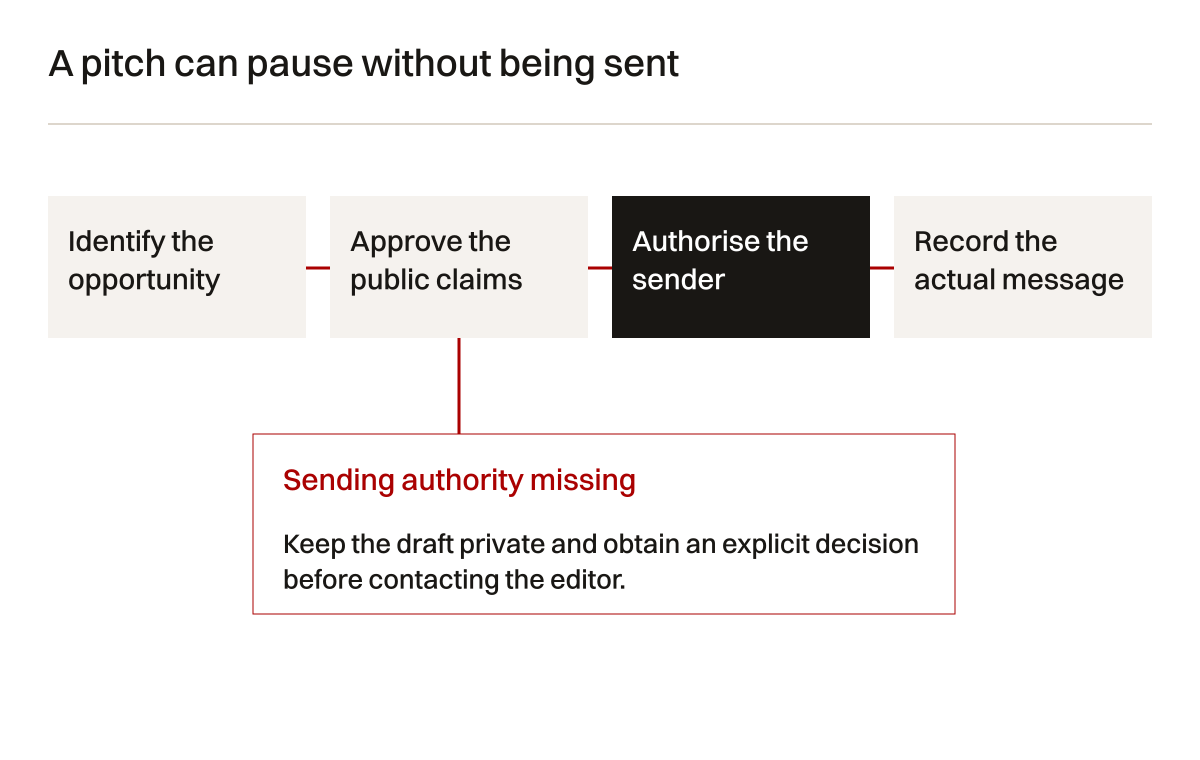
Researching an opportunity does not authorise contacting someone. Agree the audience, sender, claim approval and contact scope before sending outreach. A business may approve a draft resource while wanting its director to handle association relationships personally. Preserve that distinction in your register and in any automation.
A useful pitch identifies the reader question, the contribution and why it fits this publication. Keep it short enough to assess without opening attachments. Link to the approved public resource when appropriate. Explain the specialist's relevant role with verifiable facts. Do not claim an exclusive finding if the material simply restates publicly available instructions.
Here is a fictional draft: “Your recent supplier-selection article discusses incomplete drawing requests. Our technical team prepared a public checklist for the drawing revision, material and inspection information a quotation needs. It includes a labelled fictional example. Would that be useful as a source or a short contribution for your manufacturing section?” This is sample wording, not a message sent to a real editor.
The editor might decline, ask for an interview or request a different angle. Each response changes the work. A request for customer results needs consented evidence; it cannot be answered with invented numbers. A request for exclusive rights needs commercial review. An invitation to pay for placement should move into the sponsorship assessment.
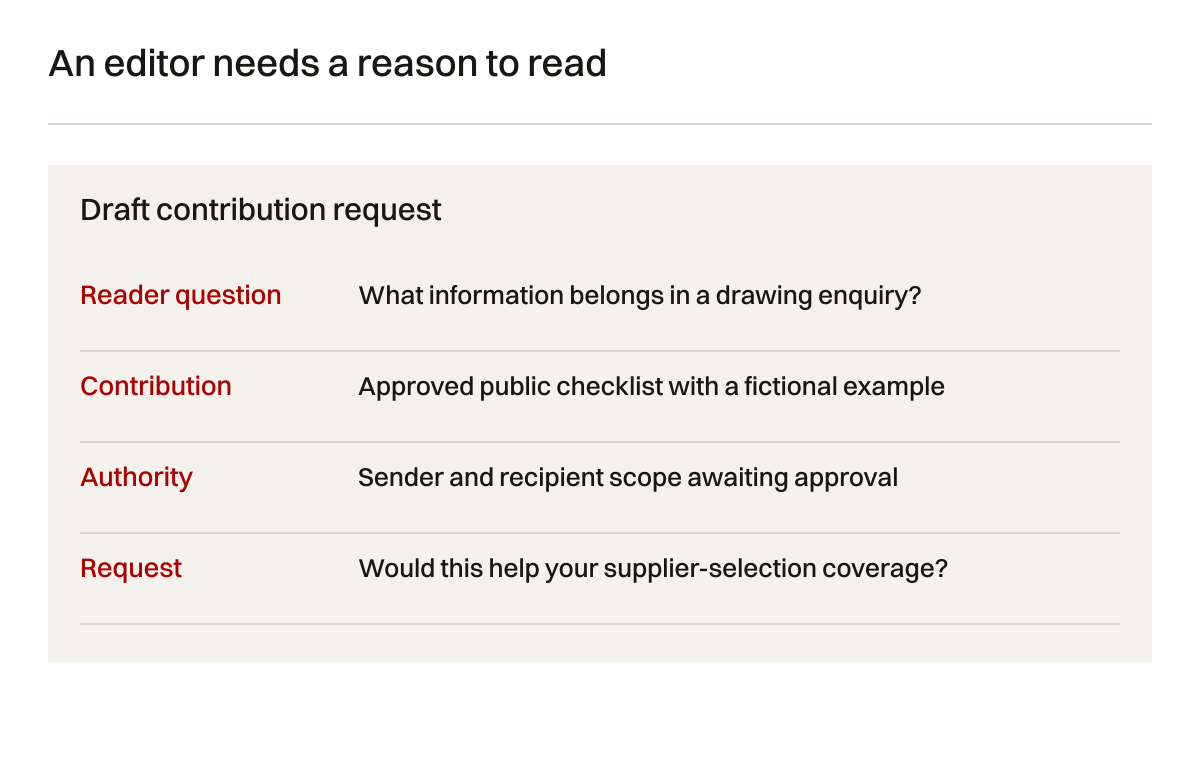
Table 4: outreach records and approval states. Keep personal contact information private. Public reporting can use reference IDs and publication names where authorised.
| Record | What it contains | Owner | Completion evidence |
|---|---|---|---|
| Opportunity brief | Reader task, page and proposed contribution | Research lead | Reviewed shortlist entry |
| Claims approval | Sources, scope and permitted examples | Technical or commercial owner | Dated approval reference |
| Contact authority | Sender and permitted recipients | Business approver | Explicit sending approval |
| Outreach event | Draft, sent date and response | Authorised sender | Actual message record |
| Editorial decision | Accepted, declined or revised request | Publication contact | Written response |
| Publication check | Final page, context and qualification | Content lead | Dated live inspection |
Set a sensible follow-up rule within the approved scope. Repeated messages without relevance can damage a relationship. A lack of response is an outcome, not permission to increase contact indefinitely. If an editor asks for no further contact, record it so a different team member does not restart the same pitch.
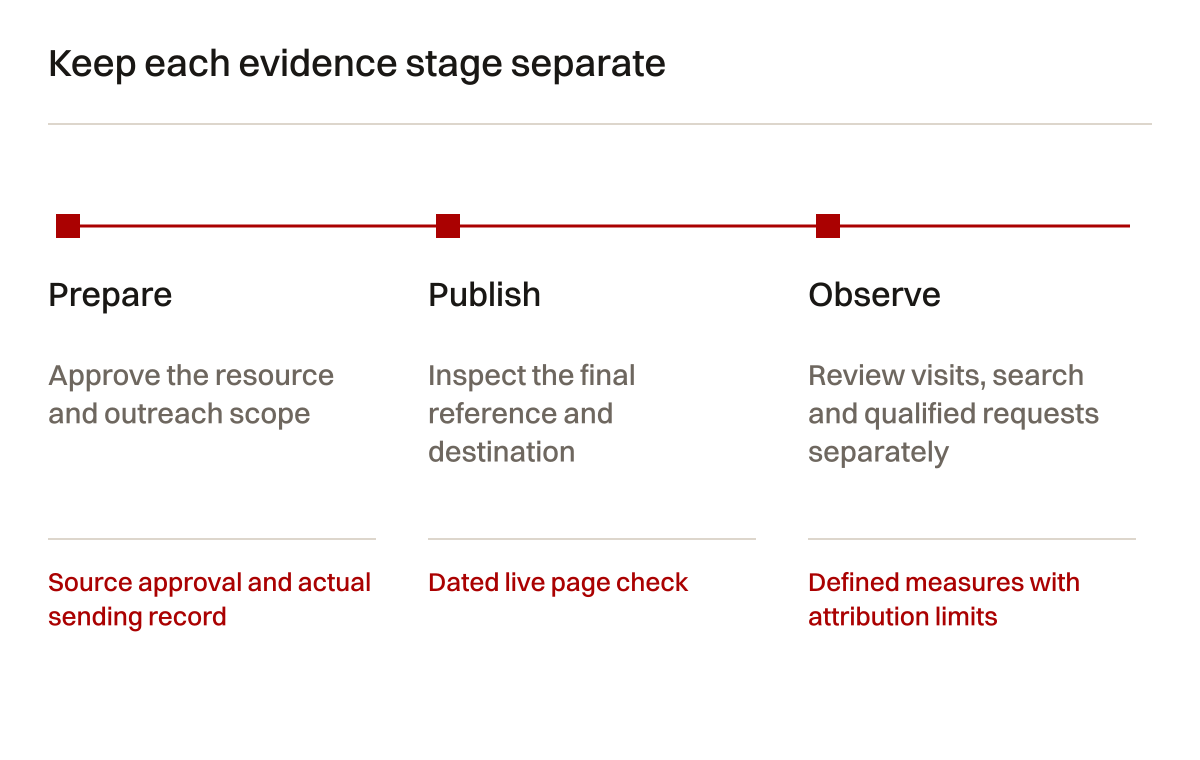
Treat publication as an independent acceptance stage. Read the final title, surrounding copy, attribution, disclosure and destination. Verify that the link points to the intended address and that the page loads for an ordinary visitor. Keep a dated record of what was actually observed. A publisher's acceptance email proves acceptance, not necessarily publication.
Compare quality and count without inventing a formula
Counts are easy to report because links can be listed. Use them with explicit definitions. A new referring domain, a corrected old reference and several links on one page are different events. Tool counts can also change when a crawler discovers an older page. A newly observed link is not necessarily newly published.
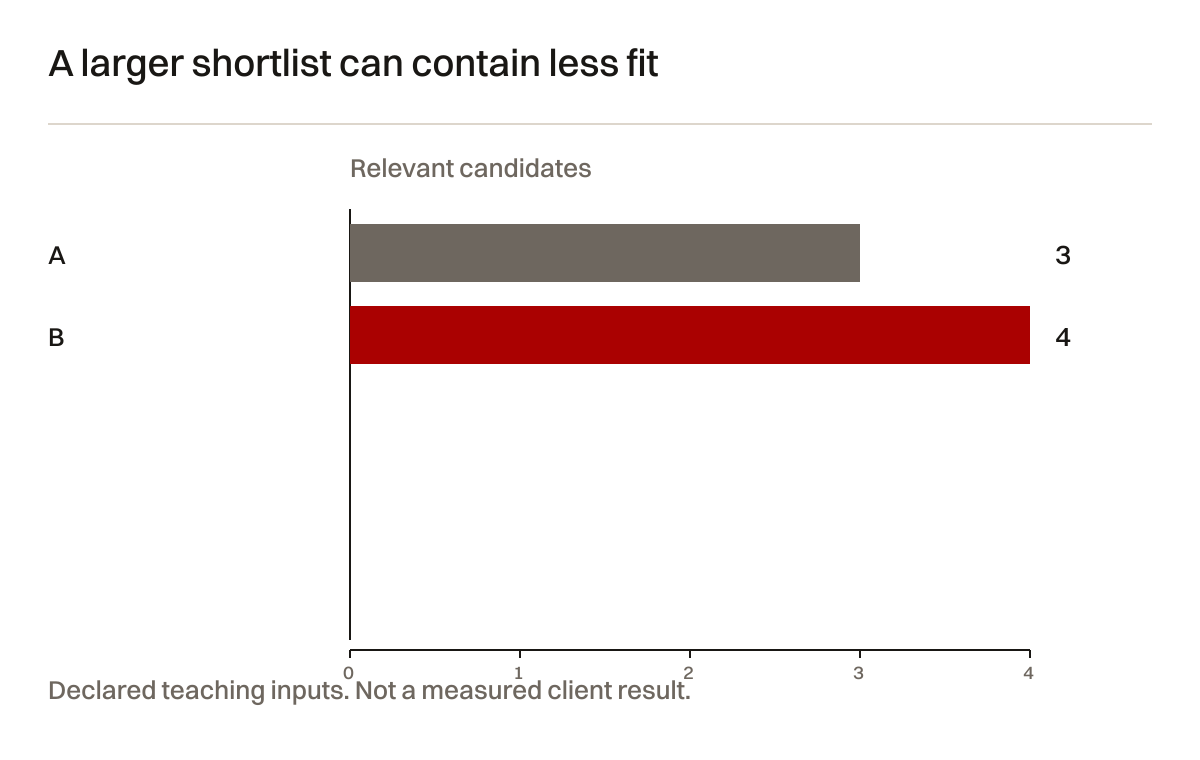
The figure below uses a synthetic assessment exercise. Set A contains twelve candidate placements: three relevant, five unrelated and four unresolved. Set B contains five candidates: four relevant and one unresolved. The categories reflect hypothetical editorial review, not measured traffic, ranking strength or a recommended target. Neither set has been contacted.
Set A has the higher count. Set B has more candidates that meet the declared reader-task check. The point is not that five links always beat twelve. It is that a count cannot substitute for an assessment. A genuine industrial listing and an irrelevant placement cannot be valued simply by adding one to each column.
The Search Console Links report gives useful information about detected links, with reporting limits. Use it as an observation source rather than a complete placement ledger. Maintain your own approved-opportunity records so changes in a search tool's coverage do not erase the history of the work.
When a link disappears, inspect before deciding what happened. The publisher may have changed its website, retired an event page or edited an article. The destination may have moved. The reporting tool may not currently show it. Record the observed page condition and only then select a correction request or accept that the placement ended.
Report work, observed behaviour and outcomes separately
A report should distinguish research completed, resources approved, outreach sent, editorial responses and pages published. Each state has its own evidence. “Twenty opportunities” means nothing if the entries are unreviewed suggestions. “Five placements” requires live pages. “More enquiries” requires a defined business record and cannot be inferred from backlink count.
Use Search Console for search observations, including appropriate page and query segmentation. Search changes can coincide with new content, seasonal demand, competitor changes or other releases. Google's traffic-drop investigation guidance supports considering several explanations. A link publication date alone does not establish causation.
Referral visits answer a different question. They indicate visits classified as referrals under the measurement setup. Google's default channel documentation explains that classification rules apply. Consent choices, missing tracking, redirects and other implementation details can affect observed data. A visit still does not prove a qualified sales conversation.
Table 5: reporting questions and their limits. Select measures for the commercial question. Keep definitions and observation dates beside the figures.
| Question | Evidence | Useful interpretation | Limit |
|---|---|---|---|
| Was research completed? | Reviewed opportunity register | Candidates have documented reasons | No contact or placement implied |
| Was outreach sent? | Approved actual message record | Authorised activity occurred | No response or publication implied |
| Was a reference published? | Live page inspection | Intended context exists on that date | Permanence is unproven |
| Did readers visit? | Defined referral observations | Tracked visits followed a source | Untracked visits and qualification remain unknown |
| Did search change? | Segmented Search Console observations | Search behaviour changed in the selected period | Attribution to one link is not established |
| Did business follow? | CRM and sales review | Recorded requests progressed | Commercial causation may remain uncertain |

Illustrative generated photograph. The scene represents editorial checking and does not identify a real publication or approval.
Work through one complete opportunity
Consider the fictional drawing-checklist contribution. First, the commercial lead identifies repeated buyer questions from private quotation discussions. The technical lead confirms which questions can be explained publicly. The writer produces an original checklist with one fictional request. The business approves its scope, sources and public destination.
The researcher then assesses a manufacturing publication's supplier-selection section. The register identifies the intended reader and relevant existing coverage. The editor's contact route is recorded privately. The business approves the sender and the pitch. Until that approval exists, the record remains “draft prepared”. The public checklist may already be usable without any outreach.
Suppose the editor asks for a short contribution and accepts it after review. Record the written request and accepted draft. When publication appears, inspect the actual article. A correct link, accurate attribution and suitable context establish the immediate publication task. If the article changes the checklist's meaning, resolve that before treating the work as accepted.
Later, the team can examine visits and enquiries within defined periods. It might see no measurable referrals. That does not erase the publication evidence. It might see several enquiries, yet lack enough attribution to credit the article. The report should retain both facts. Commercial uncertainty is useful information when deciding whether the next contribution deserves specialist time.
An opportunity can also stop responsibly. If the technical owner cannot approve a key claim, revise the resource or defer it. If the editor requires a confidential customer story, decline that angle. If a sponsorship proposal lacks audience evidence, ask for it before approval. Completing research does not create an obligation to pursue a weak placement.
Questions buyers ask about B2B link building
Before renewing a programme, review what remains usable. An approved technical checklist can still answer enquiries even if a proposed publication declined it. A relationship correction may remain accurate until the agreement changes. A sponsored article may have an agreed end date. Those assets and obligations deserve different maintenance decisions.
Ask the commercial lead whether the next proposed topic responds to a question the team can answer with approved evidence. Ask the technical owner whether the underlying source has changed. Ask the publisher whether the intended format still fits its editorial section. Each answer can change the scope before more writing begins. A repeated production quota should not replace those decisions.
The workbook preserves that review in a separate row. Record the previous resource, current observation, proposed next task and approver. This makes renewal a concrete decision about retained value and unresolved work. It does not require inventing a return figure when the available data cannot establish one.
Is every paid listing a spam link?
No. A commercial listing or sponsorship can serve a real reader task. Assess its eligibility, context, disclosure and link treatment. Google's policies distinguish ordinary advertising arrangements from links purchased to manipulate rankings. A payment does not prove quality, and a free placement does not automatically make an irrelevant reference useful.
Should the link always use our target keyword?
Choose wording that describes the destination naturally in context. A company name fits a distributor record. A resource title fits a technical citation. Prescribing repeated commercial phrases across unrelated placements can make the request less useful and create policy concerns. The editor should retain appropriate control of the surrounding article.
Can a provider guarantee editorial placements?
Ask what kind of placement is promised. A provider may control a paid inventory or its own publishing network. Independent editorial acceptance depends on the publication. Those are different arrangements and should be described plainly. Neither establishes a ranking or revenue guarantee. Agree immediate task acceptance through specific evidence.
What if a relevant link has nofollow or sponsored treatment?
Assess the reader value and commercial purpose. A qualified reference can still help someone reach useful information. Do not discard an appropriate editorial or advertising opportunity solely because it does not promise ranking credit. The business should decide whether the audience and purpose justify the work without relying on unsupported search claims.
How often should we review published references?
Use changes as triggers. A website migration, rebrand, withdrawn resource or changed distribution agreement can invalidate a destination or public statement. Important relationship records may also justify a periodic check. Set review effort according to consequence and agreed scope. There is no universal number of links a company must inspect every month.
Can this work help AI visibility?
A useful public resource may be discovered or cited by different systems, but a backlink does not guarantee an AI citation. Inspect actual answers and source references if that is a business question. Keep those observations separate from placements and sales. Do not turn an unverified possibility into a promised service outcome.
Decide what deserves the next hour
Start with the approved resource and the actual buyer question. Correct relevant relationship records. Review a small number of well-supported editorial opportunities. Put sponsorship through a transparent commercial assessment. Keep outreach authority and publication evidence visible. This gives the business a choice grounded in work it can inspect.
If the destination page itself is unclear, improve that before promoting it. Our service-page guide covers explaining scope and evidence for buyers. The wider SEO service begins with the discovery problem and available evidence. Where the website needs implementation work, connect it with website development.
Bring the proposed publication, current resource and questions your sales team receives. That is enough to diagnose whether content, editorial work or a website correction belongs next. Start with the problem.
Sources checked for this guide
Official sources checked on 4 October 2026. Platform guidance can change. The assessment examples and synthetic comparison are original teaching material rather than claims published by these sources.