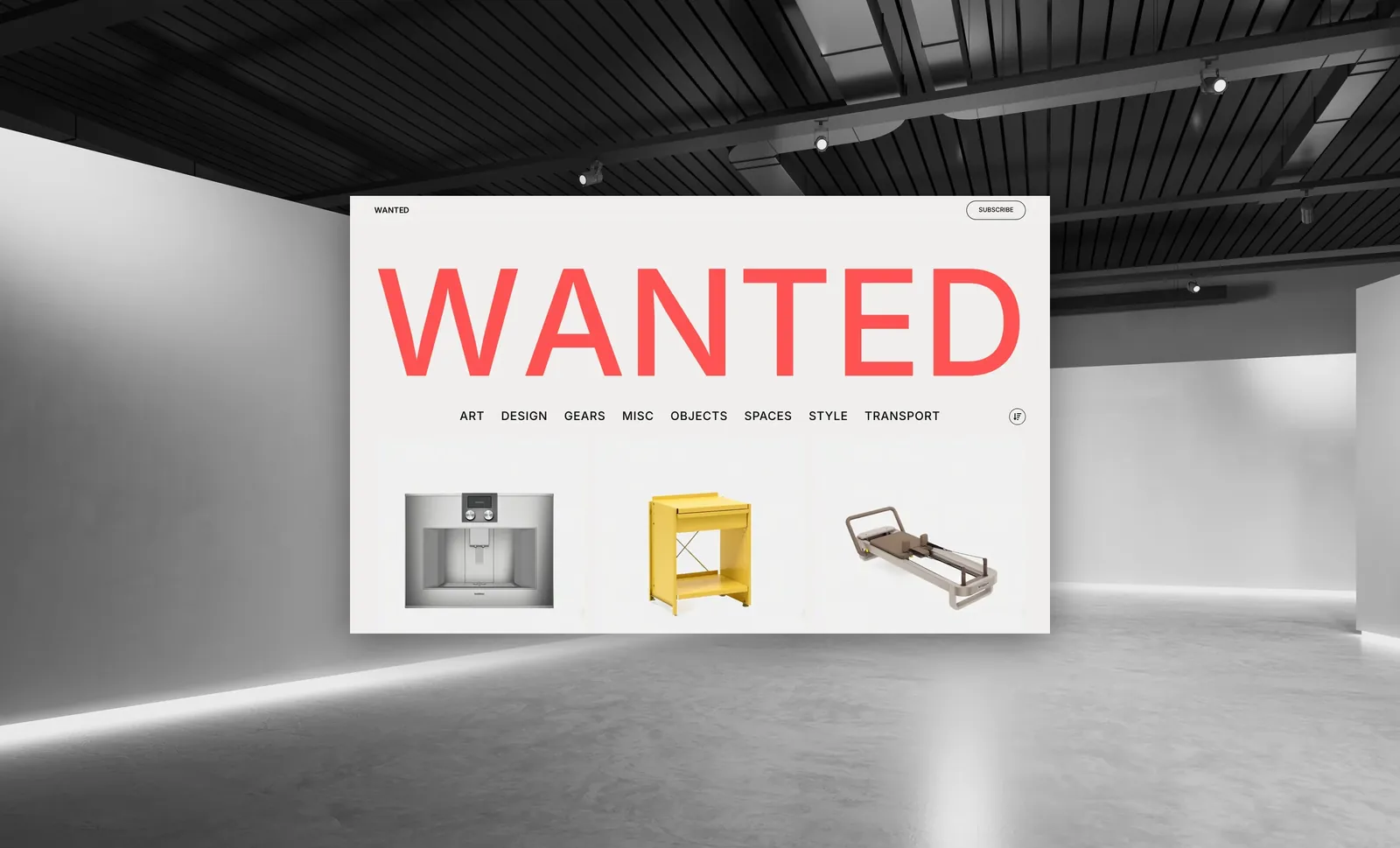
Publishing, E-Commerce
Shops built around how your customers choose.
We design and build online shops for Singapore retailers and product brands. We start from how a customer compares, customises and receives what they buy, not from the theme the platform shipped with.
Your shop has four jobs to do.
It has to let customers order the version they want, compare on the terms they care about, hold the standard of what it sells and get each order to the door in the right state.
Product brands and makers
Let customers order the version they want.
Options, sizing and personalisation handled on the product page, so a custom order does not turn into a thread of messages.
Specialist and technical retailers
Make the specification the sell.
A catalogue structured so a buyer can compare products on the terms they were going to compare on anyway, such as components, ratings and compatibility.
Curated and premium stores
Sell without shouting.
A shop that holds the standard of the things in it, with room for editorial and showroom detail instead of countdown timers and badges.
The sale is not finished at checkout.
Delivery, packaging, stock and returns are where most complaints start, and they are decided by rules the shop either knows or does not. We set those rules with the people who pack the orders.
What we build for retail and e-commerce.
The public story and the working system are designed as connected parts, with the right level of detail for each reader and a clear owner after handover.
Categories and filters built from how customers search, so a large range still has a short route to the right product.
Specifications, sizing, care and delivery shown where the buyer is deciding, with real photography rather than supplier images.
Card and PayNow payment, delivery zones and slots, and the rules for products that need special handling.
Inventory and order status managed in one place, connected to the accounting or fulfilment tools you already use where that makes sense.
Product data and pages structured so search engines and AI answers can read what you sell and what it costs.
A platform chosen for what the shop has to do and what the team can run, with every login, file and product record handed over.
Work for retail and e-commerce. Pick a cartridge to open the project.

Technology
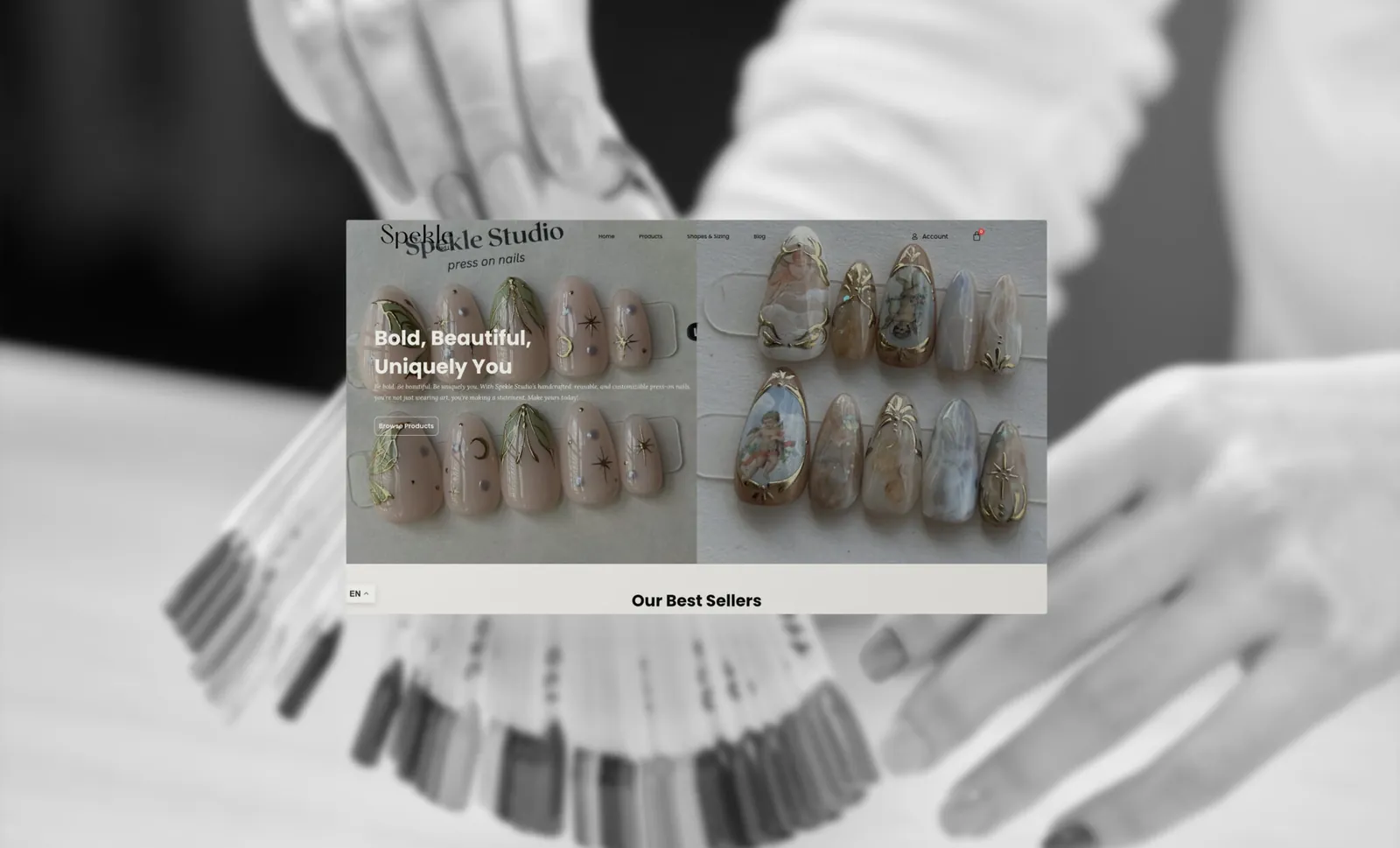
Beauty

Aquatic

Flower Memorial
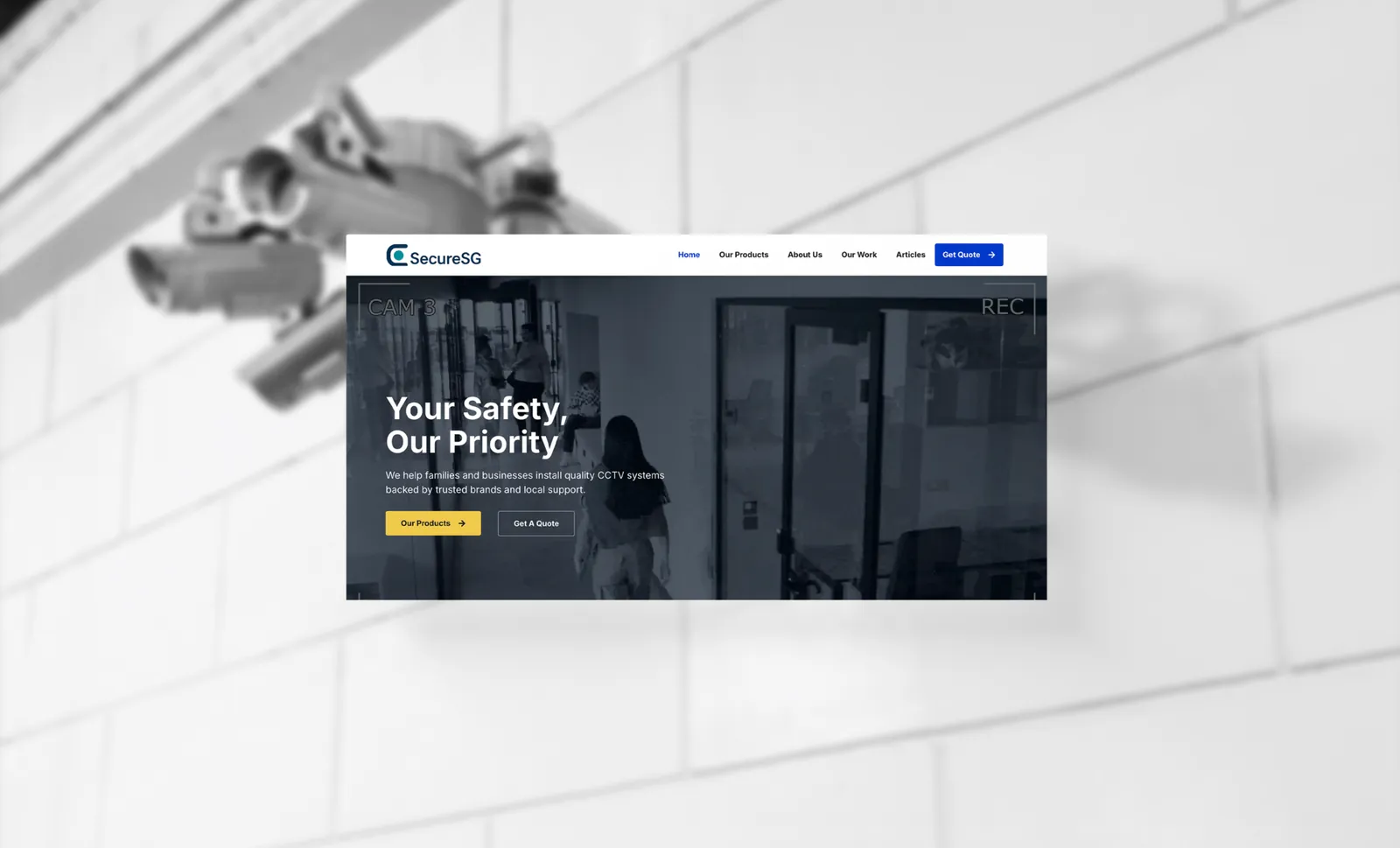
Security, Technology

Furniture
Every shop theme assumes the same customer.
A theme shows a photograph, a price and a button, and for some products that is enough. It is not enough for a gaming PC bought on its component list, live fish that have to arrive alive, a set of nails made to one person's size, or flowers chosen in memory of someone. We start with how your customer decides and what has to happen after they pay, then shape the catalogue, the product page and the checkout around it.
A product page should answer the question a customer would otherwise message about. Checkout is tested with real orders before launch, not assumed to work. The shop is run by the team, not by the developer.
Our process.
- 01
Follow a purchase
Trace how a customer finds, compares and buys, and what the team does after the order arrives.
- 02
Model the catalogue
Agree the product record, its options and the delivery and payment rules before design.
- 03
Build and test checkout
Design and develop in stages, with real orders tested end to end on a phone.
- 04
Hand over and run
Train the team on products and orders, and keep the platform updated after launch.
Common questions.
It depends on the catalogue, the options and who will run it. Shopify suits shops that want hosting handled for them. WooCommerce gives more control on WordPress. A custom build is worth it only when the product or the order process fits neither. We recommend one after we have seen how you sell.
Yes. Sizing, options and personal details can be collected on the product page and carried through to the order, so the team does not have to message the customer to find out what was ordered.
Yes. Delivery zones, slots, packaging notes and products that can only ship on certain days can all be set as rules at checkout. We work them out with the people who pack the orders, because they know where it goes wrong.
Often. If the platform is sound, the work may be the catalogue structure, the product pages or the checkout rather than a rebuild. We look at the orders and the abandoned carts before proposing anything.
Yes. The common shop platforms have payment providers that support both PayNow and card payment, and we set up whichever suits how your customers pay.
The number of products and options, the delivery and payment rules, and what the shop has to connect to, such as inventory or accounting. A simple catalogue and a configurable product with special delivery are very different jobs. We give a figure once we have seen yours.
Already have an online shop?
Start with
what you have.
If customers find the products but do not finish the order, the problem is usually one page or one step. We find it before anyone proposes a new platform.
Talk to us about your shopTell us what customers message you about before they buy.
No pitch and no deck. One call to work out whether the problem is the one you think it is.
- Reply within one working day
- No obligation, and no sales sequence