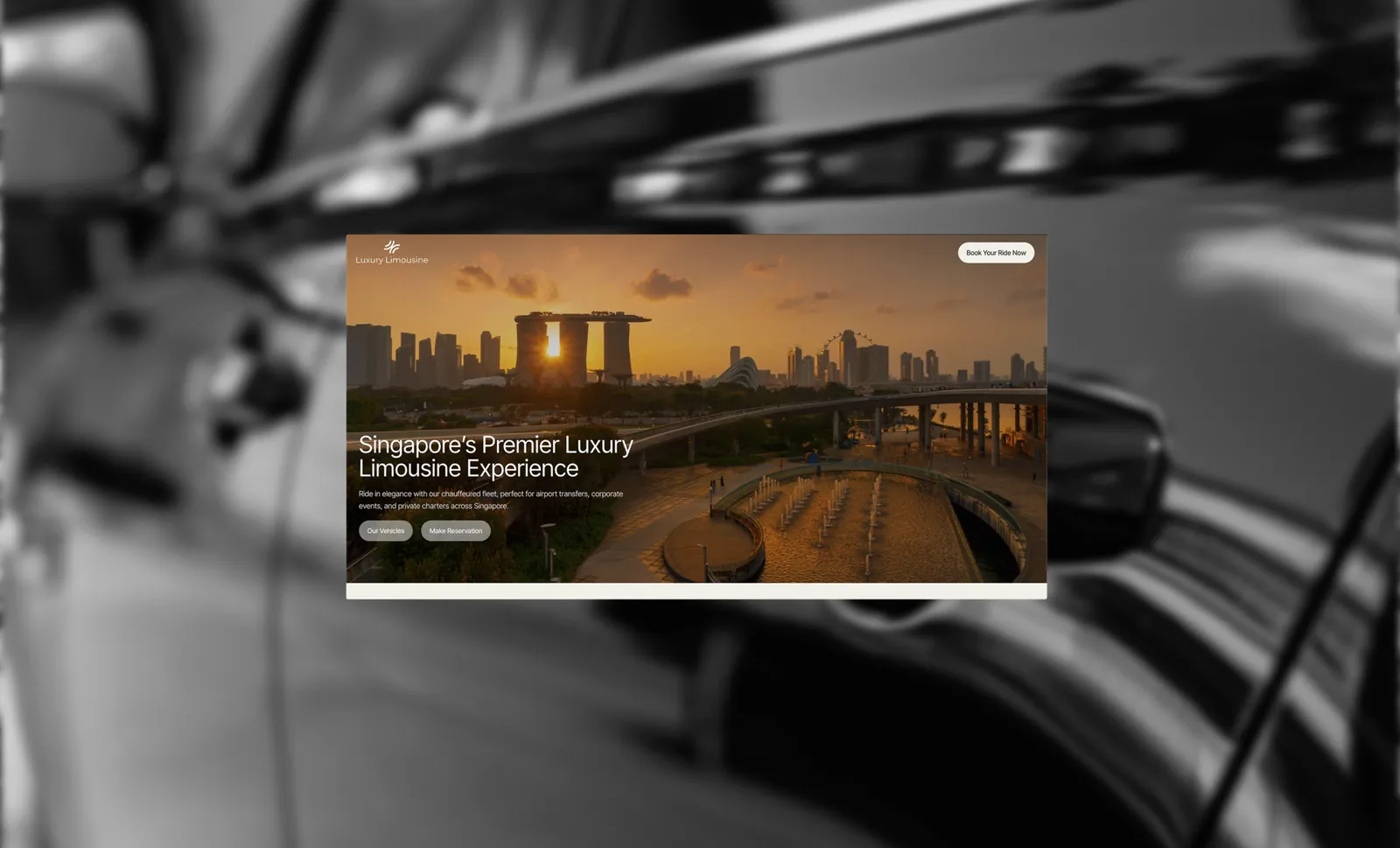
Transportation, Booking Platform
Bookings that arrive ready to confirm.
We design websites and booking systems for limousine and chauffeur services, bus hire and car dealers. Each one is built around the details a dispatcher or a salesperson needs before they can say yes.
Your booking website has four jobs to do.
It has to take a booking and payment together, quote group trips without a call, list vehicles the way buyers compare them and tell every customer their request has arrived.
Limousine and chauffeur services
Take the booking, the details and the payment together.
Transfers, hourly hire and events booked with pickup, flight and passenger details, and a deposit or full payment taken at the same step.
Bus hire and event transport
Quote group trips without a phone call.
Vehicle capacities, routes and what the hire includes laid out clearly, with a request form that collects the itinerary a quote depends on.
Car dealers
List cars the way buyers compare them.
A listing record with the figures a Singapore buyer compares, such as depreciation, COE remaining and mileage, kept current by your own team.
Silence after a request loses the job.
A customer who sends a booking and hears nothing books someone else. A confirmation that arrives straight away, saying what happens next, holds the job while the team checks the details.
What we build for transport.
The public story and the working system are designed as connected parts, with the right level of detail for each reader and a clear owner after handover.
Forms built from the dispatcher's checklist, so a request arrives with pickup, drop-off, time, passengers and luggage already stated.
Card and PayNow payment at booking, with deposits, cancellations and confirmations handled by rules you set.
Each vehicle with its seats, luggage space and what the hire includes, so the customer picks the right one before they ask.
Inventory your team updates in one place, with specifications, price, photographs and status, and filters that match how buyers search.
Booking confirmations and trip details sent automatically, so a customer is never left wondering whether anyone received the request.
A plain view of what is booked, for when and with which vehicle, where a shared spreadsheet or a chat group is doing that job today.
Work for transport. Pick a cartridge to open the project.
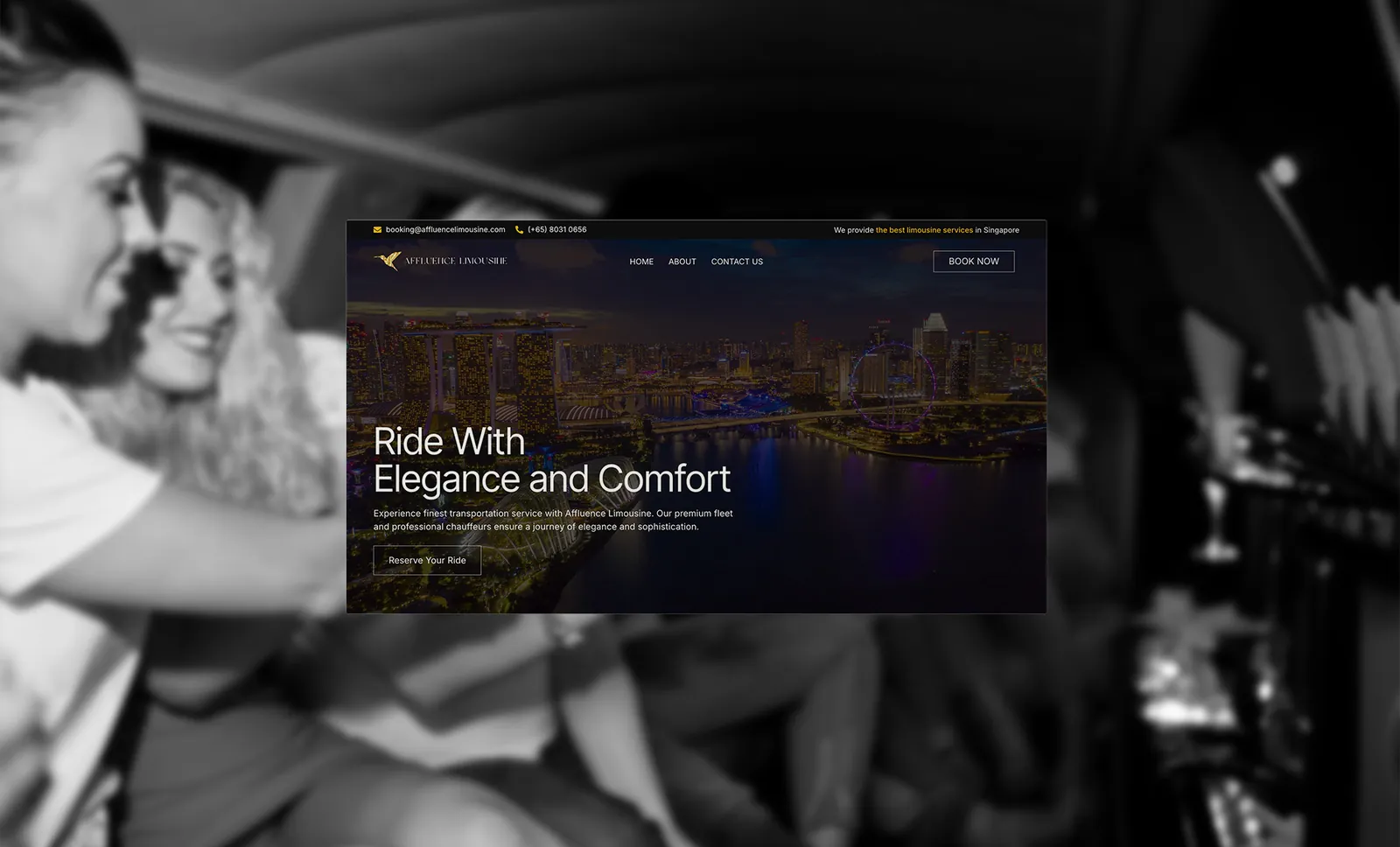
Transportation, Luxury
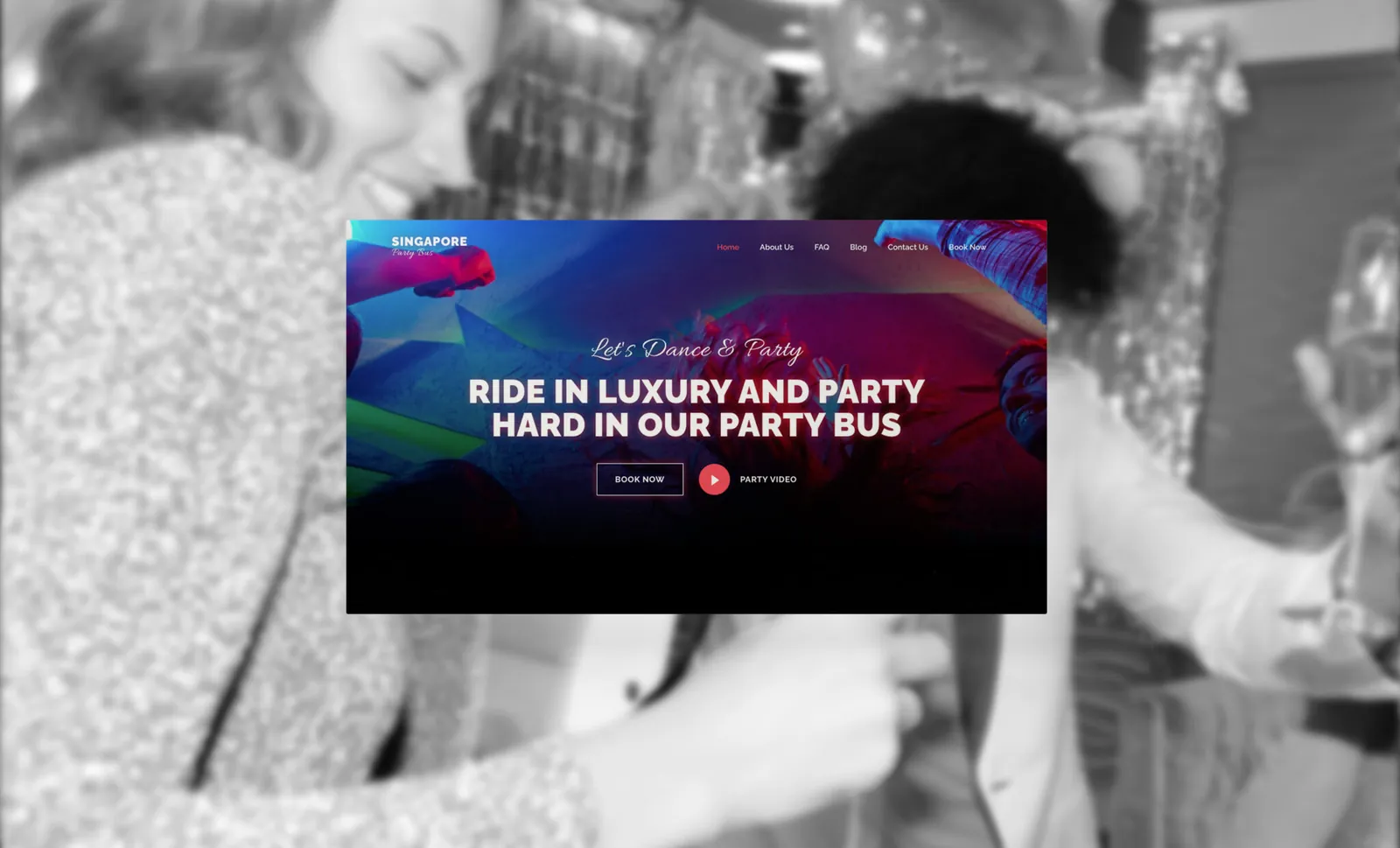
Transportation, Entertainment
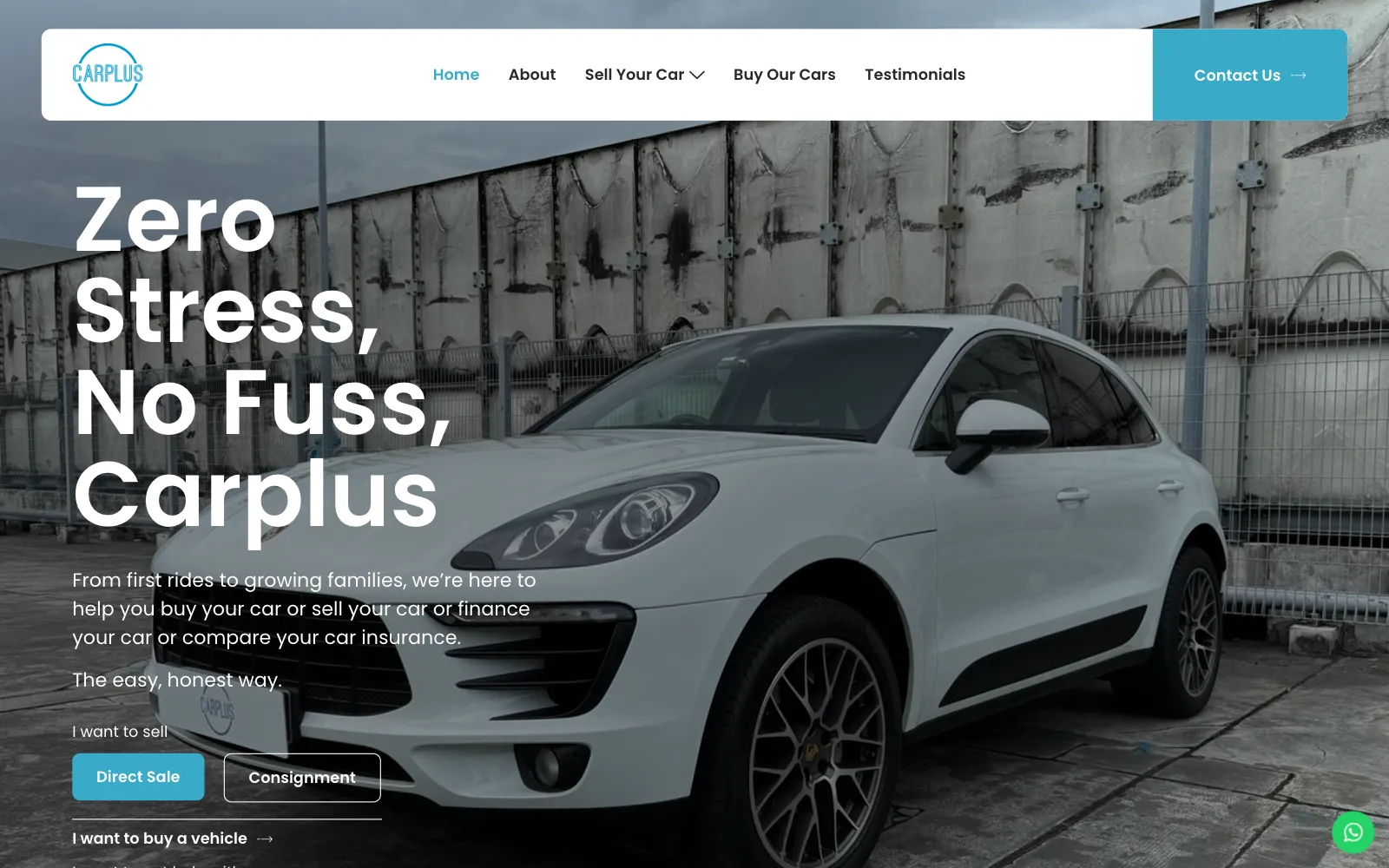
Automotive
A booking request is only useful if it can be confirmed.
Most transport enquiries arrive as a message with half the details: a date but no pickup point, a passenger count but no luggage, a flight but no flight number. Each gap costs a round of replies before anyone can quote, and the customer is asking two other companies at the same time. We look at what the dispatcher has to ask back, then build the booking so it asks first.
A booking form should ask what the dispatcher would otherwise ask back. A customer should know the request arrived the moment they send it. Prices and terms on the site match the ones the team quotes.
Our process.
- 01
Follow a booking
Trace one job from the first message to the drop-off, including every question the team asks along the way.
- 02
Set the rules
Agree vehicles, pricing rules, deposits and cancellation terms before anything is designed.
- 03
Build and test
Design and develop the site and booking flow in stages, testing real bookings on a phone.
- 04
Hand over
Train the team on bookings, vehicles and listings, and leave every login with you.
Common questions.
Yes. A booking can take payment or a deposit at the same step, with your cancellation terms shown before they pay. We settle your pricing rules first, because a booking system can only charge what the business has agreed.
Often. Transfers, hourly hire and extra stops can be priced by rules, and anything outside them can go to a request form that collects the full itinerary. The aim is that the team only handles the trips that genuinely need a person.
Usually. Confirmed bookings can be sent to the people who handle them, by email or into the tools you already use. We look at how jobs are assigned today before deciding what should be automated.
Yes. Listings are one record your team edits, with specifications, price, photographs and status. Marking a car sold takes it off the site, so buyers stop enquiring about cars that have gone.
It changes where the booking starts, not what it needs. A WhatsApp link that opens with the vehicle or trip the customer was looking at gives the team the context, and the booking form is there for people who would rather not wait for a reply.
Already have a website?
Start with
what you have.
If the site looks right but bookings still arrive half complete, the fix may be the booking form alone. We will tell you if that is the whole job.
Talk to us about your bookingsTell us what every booking request leaves out.
No pitch and no deck. One call to work out whether the problem is the one you think it is.
- Reply within one working day
- No obligation, and no sales sequence