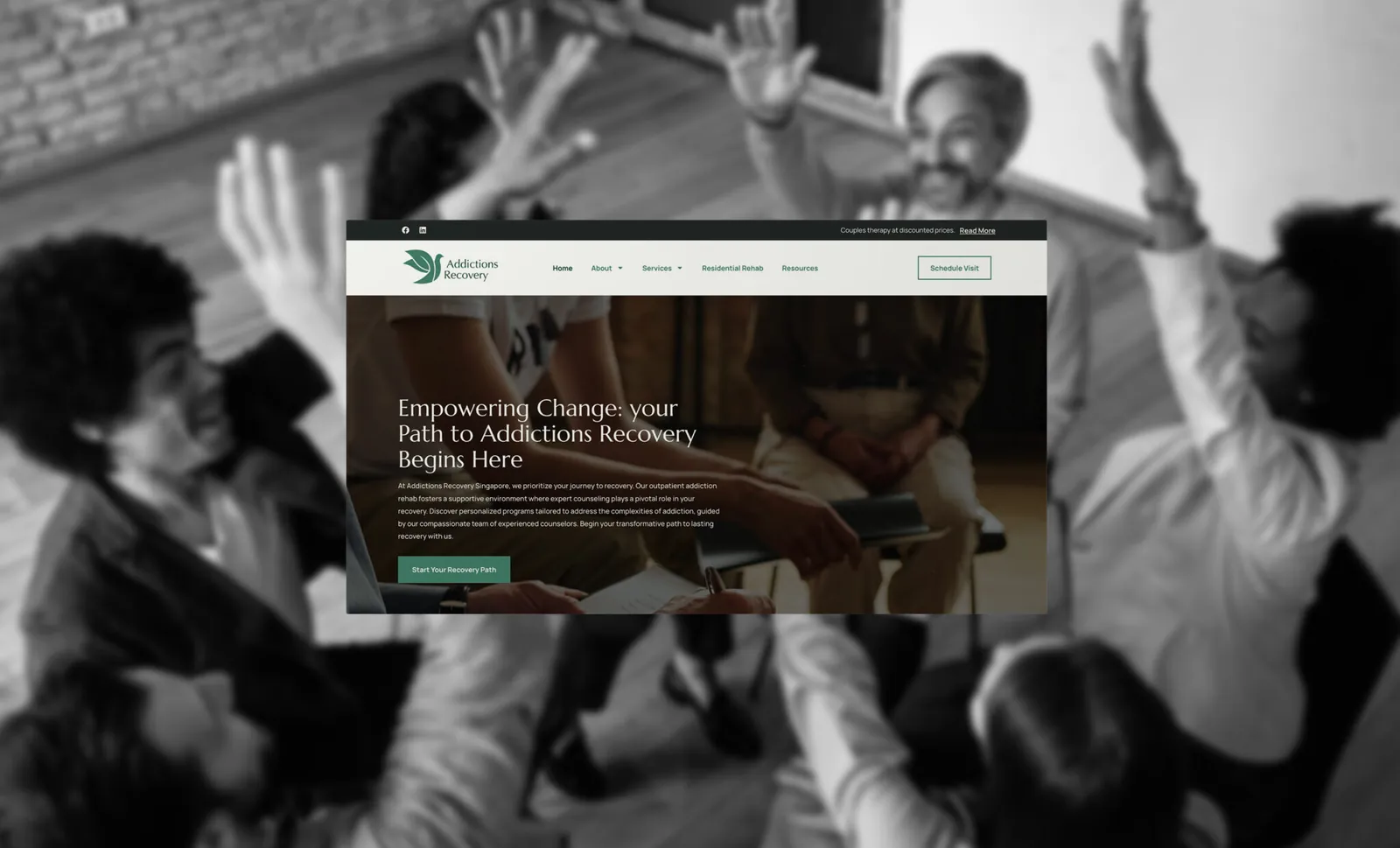
Healthcare, Rehabilitation
Care and coaching people can check before the first session.
We design websites and booking for clinics, recovery services, coaches and sports schools. The person deciding can see who will look after them, what happens first and how to start, without saying more than they are ready to.
A health or sport website has four jobs to do.
It has to make first contact feel safe, speak to parents and athletes on their own terms, introduce the people who do the work and keep personal information where it belongs.
Clinics and recovery services
Make the first contact feel safe.
Plain explanations of what happens first and who the team are, with a contact route that asks only for what is needed to call back.
Sports academies and swim schools
Speak to the parent and the athlete separately.
Programmes by age and level, coaches named with their qualifications, and an enrolment route that does not make a parent read the competition squad page.
Coaches and practitioners
Let people meet you before they book.
Who you are, how a session runs and how to start, written in your own voice rather than a template's.
Personal information needs a careful route.
An enquiry about treatment or a child's training carries details people do not share lightly. Where it goes, who reads it and how long it is kept are design decisions, and they are made before the form is built.
What we build for health and sport.
The public story and the working system are designed as connected parts, with the right level of detail for each reader and a clear owner after handover.
Each service explained in plain language: who it is for, what happens, who delivers it and what to do next.
Class, session and appointment booking matched to how the schedule really works, including trial sessions and waiting lists where you run them.
Forms that collect the minimum, say why each question is asked, and send sensitive details to the right person rather than a shared inbox.
Real people with their qualifications and what they do, photographed rather than taken from a stock library, because the person is what someone is choosing.
Articles and guides that answer the questions you hear every week, written so search engines and AI answers can quote them accurately.
A page that tells a therapist or coach what the work involves and who they would work with, because good practitioners choose where they join.
Work for health and sport. Pick a cartridge to open the project.

Beauty, Healthcare
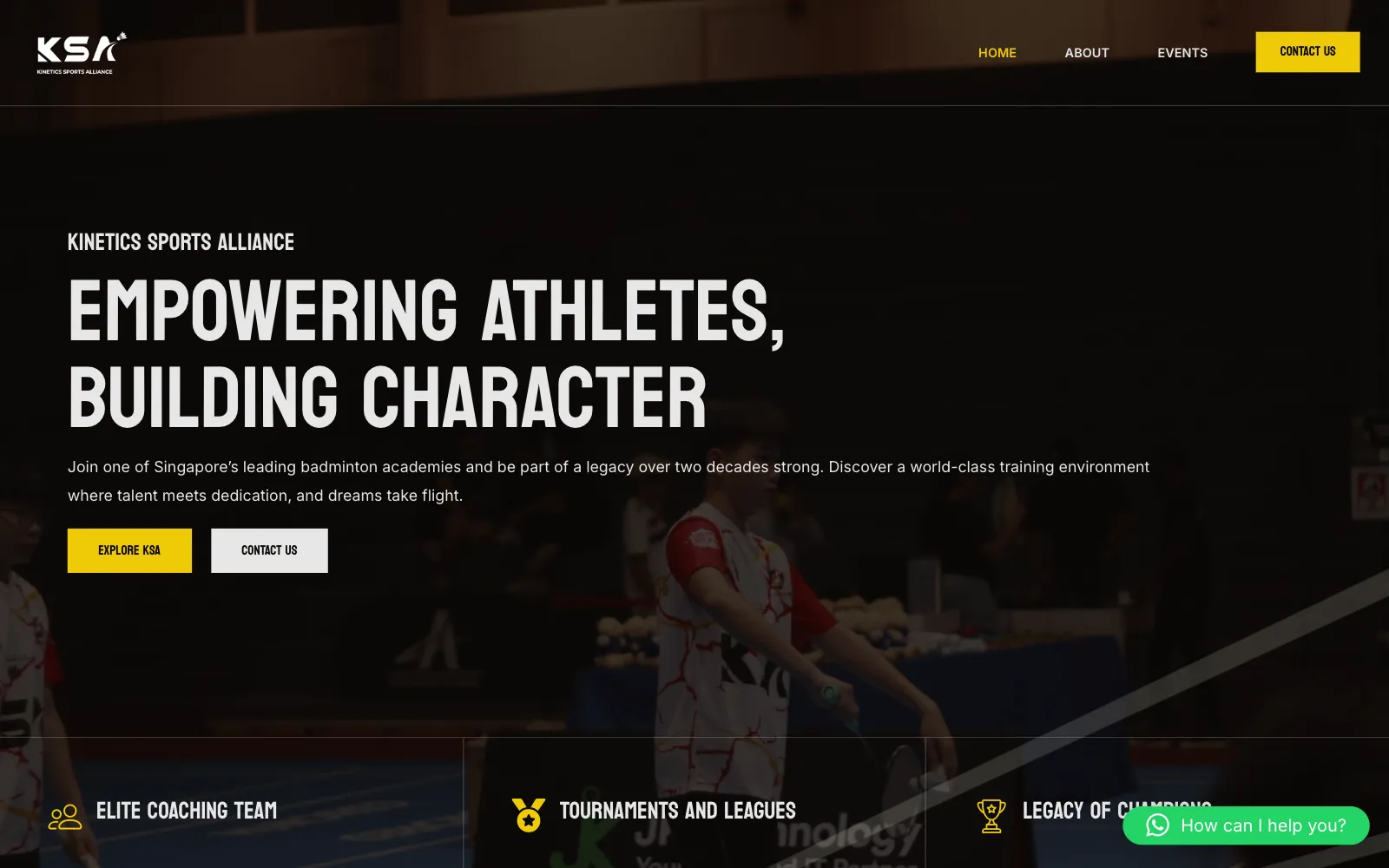
Sports, Education

Sports, Education

Coaching, Personal Development
The first contact is often the hardest step.
Someone looking for addiction treatment may be searching late at night, on a phone, for someone they love. A parent choosing a swim school wants to know who is in the water with their child. A competitive player wants to know who coaches and what they have won. A site that answers none of this leaves the hardest step to a form that asks for everything at once. We work out what each of these people needs to see before they reach out, and what they should never be asked to type.
Ask for the least information that still lets you help. A named coach or clinician on the page does more than any claim about care. Where advertising is regulated, the rules shape the copy from the first draft.
Our process.
- 01
Hear the first call
Learn what people ask when they first get in touch and what makes them hesitate, before anything is designed.
- 02
Map the route in
Agree what each visitor needs to see, what the form asks and where each answer goes.
- 03
Build on a phone
Design and develop in stages, testing booking and contact on the devices people actually use.
- 04
Hand over
Show the team how to update schedules, profiles and articles, and leave every login with you.
Common questions.
By asking for less of it. A first contact form rarely needs a history or a diagnosis. We design forms that collect enough to call back, send submissions only to the people who need them, and write the privacy notice to match what the form actually collects.
Yes. Licensed healthcare services in Singapore have rules on what their advertising may say, and those rules apply to the website as well. We write within them, and the licence holder reviews and approves what is published.
Yes, but not through the same page. A parent and an adult learner are making different decisions, so each gets a route to the programmes and the enrolment form that fit them.
Usually. Class and appointment booking can run on the site or connect to a system you already use. We look at how bookings are handled today first, so the front desk does not end up reconciling two calendars.
Yes, where the person agrees. People choosing a coach or a therapist are choosing a person, and a named profile with qualifications answers that better than a line about quality of care.
It depends on the service. For coaching and sport, a real account from a named client, used with permission, is strong evidence. For licensed healthcare, advertising rules may restrict them, so we check what applies before designing a page around them.
Already have a website?
Start with
what you have.
If people find you but do not book, the problem is often one page or one form rather than the whole site. We will tell you which.
Talk to us about where people drop offTell us what stops people getting in touch.
No pitch and no deck. One call to work out whether the problem is the one you think it is.
- Reply within one working day
- No obligation, and no sales sequence